


The global electric vehicle industry never stays still for long, and this quarter has once again shown how quickly the market is changing. From my perspective, one of the biggest stories has been the impressive performance of BYD’s Q2 EV sales. The company appears ready to post another remarkable quarter, reinforcing its growing influence in the battery electric vehicle segment.
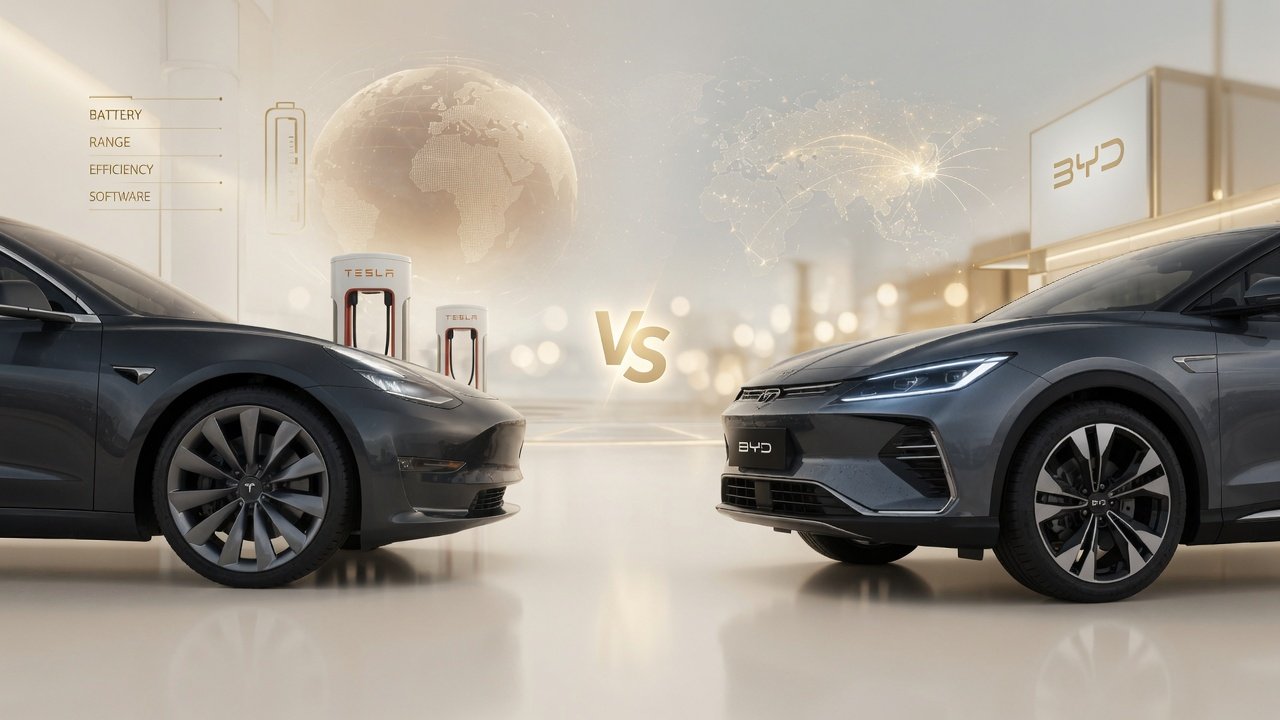
Industry estimates suggest that BYD Q2 EV sales could reach approximately 557,000 battery electric vehicle deliveries. If those numbers are confirmed, BYD will once again outperform Tesla in quarterly battery electric vehicle deliveries. The result reflects more than just strong sales. It shows how rapidly consumer preferences are evolving in one of the world’s fastest-growing automotive sectors.
What stands out most about BYD Q2 EV sales is the company’s ability to maintain consistent momentum while expanding its global presence. Although China remains its largest market, BYD has steadily increased exports to Europe, Southeast Asia, Latin America, Australia, and several other regions. Every new market strengthens the brand’s international recognition.
One reason behind the success of BYD Q2 EV sales is the company’s extensive lineup. Buyers have more choices than ever, ranging from compact city cars to premium sedans and family-friendly SUVs. This broad selection allows BYD to appeal to first-time EV buyers as well as experienced electric vehicle owners looking for an upgrade.
Pricing also continues to play an important role. Many customers compare value before making a purchase, and BYD has earned a reputation for offering modern technology at competitive prices. Combined with improvements in battery efficiency and driving range, this approach has helped support steady demand throughout 2026.
Meanwhile, Tesla remains one of the world’s most recognized electric vehicle manufacturers. However, the competitive landscape is becoming more balanced. As BYD Q2 EV sales continue to grow, Tesla faces stronger competition not only in China but also in several international markets where new electric vehicle options are becoming available every month.
The broader electric vehicle market is also benefiting from greater consumer awareness. Improved charging infrastructure, government incentives in some countries, and increasing environmental concerns continue encouraging buyers to consider electric transportation. Companies that can offer reliable products at attractive prices are likely to gain the most from these long-term trends.
Another interesting aspect of BYD Q2 EV sales is the company’s investment in its own technology. BYD manufactures many of its key components, including batteries, which gives it greater control over production costs and supply chains. This level of vertical integration has become an important competitive advantage during periods of high global demand.
As I watch the market develop, it is becoming clear that competition benefits consumers. Automakers are introducing better features, improved software, longer driving ranges, and more efficient battery technology at a faster pace than ever before. Whether someone chooses a BYD, Tesla, or another brand, buyers now have significantly more high-quality electric vehicles to consider.
Looking ahead, BYD Q2 EV sales could become another milestone in the company’s long-term expansion strategy. Continued international growth, investment in research, and a diverse product portfolio position the manufacturer well for future success. Even as competition intensifies, BYD appears focused on maintaining steady progress rather than relying on short-term gains.
For industry observers, these delivery numbers are about more than a quarterly comparison. They demonstrate how quickly the global automotive industry is changing. Traditional expectations are being challenged as new manufacturers establish themselves alongside long-established brands.
Readers of Paradox Automotive can expect the competition between BYD and Tesla to remain one of the defining stories of the electric vehicle industry throughout 2026. Every quarter brings fresh insights into consumer demand, technology development, and global market expansion.
In the end, BYD Q2 EV sales are more than a headline figure. They represent growing consumer confidence in electric mobility, increasing competition among leading manufacturers, and another step toward a future where electric vehicles play an even larger role in everyday transportation. If the projected delivery numbers are confirmed, BYD will once again demonstrate that it has become one of the most influential companies shaping the future of the global EV market.