

Electric Vehicles
Electric vehicles (EVs) have a longer history than many people realize. The first practical electric cars appeared in the early 1800s when inventors in Europe and the United States began experimenting with battery-powered transportation. By the late 19th century, electric cars became popular because they were quiet, easy to drive, and did not produce the smoke and noise associated with gasoline-powered vehicles.
In the early 1900s, EVs competed with gasoline cars and even held a significant share of the automobile market. However, the invention of the electric starter, the discovery of cheap gasoline, and the mass production of affordable gasoline vehicles by companies such as Ford Motor Company led to the decline of electric cars.
Interest in electric vehicles returned during the 1970s energy crisis, but technological limitations, especially battery performance, slowed their adoption. Major advancements in battery technology and growing environmental concerns during the 1990s and 2000s renewed interest in EVs.
The modern electric vehicle revolution began in the 21st century, led by companies such as Tesla, Inc.. Improvements in battery range, charging infrastructure, and government incentives have made EVs increasingly popular worldwide. Today, electric vehicles are seen as a key solution for reducing carbon emissions and creating a more sustainable transportation future.
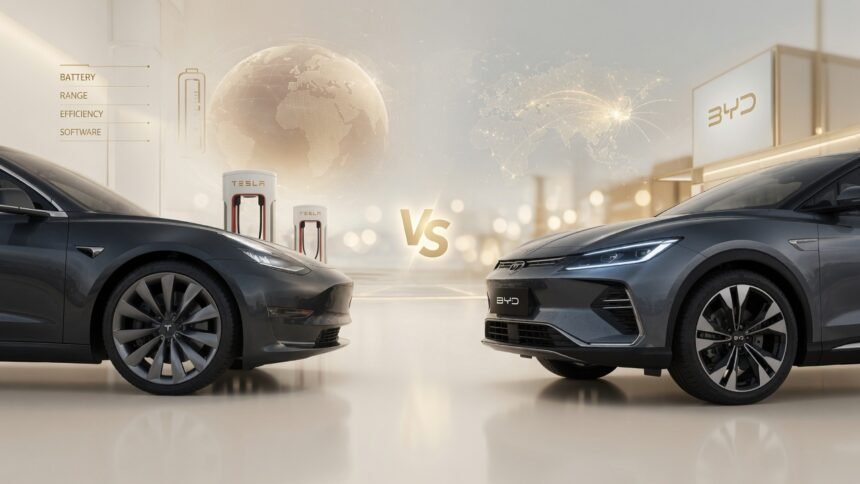
BYD Q2 EV Sales Reach New Heights As Company Pulls Ahead of Tesla
The global electric vehicle industry never stays still for long, and this quarter has once again shown how quickly the market is changing. From my perspective, one of the biggest…

Impressive Mobile First Website Builder
Ready for Core Web Vitals, Support for Elementor, With 1000+ Options Allows to Create Any Imaginable Website. It is the Perfect Choice for Professional Publishers.