


Article Highlights
- Learn how OpenAI is integrating ChatGPT into patient health records for personalized health conversations.
- Discover the benefits, privacy protections, and limitations of ChatGPT in patient health.
- Understand how AI can simplify medical reports without replacing healthcare professionals.
- Explore expert tips for using ChatGPT in patient health safely and responsibly.
- Find answers to common questions about patient privacy, medical records, and AI-powered healthcare.
OpenAI Pushes ChatGPT Into Patient Health Records
Artificial intelligence is becoming a bigger part of everyday healthcare, but its role is changing quickly. OpenAI has introduced a new way for eligible users in the United States to connect medical records and health information directly with ChatGPT. The goal is to help people better understand their health data instead of replacing doctors or medical professionals.
The latest development around ChatGPT for patient health marks an important step in digital healthcare. Instead of manually uploading lab reports or explaining years of medical history during every conversation, users can securely connect supported health records and receive more personalized explanations and guidance.
What Does ChatGPT Into Patient Health Mean
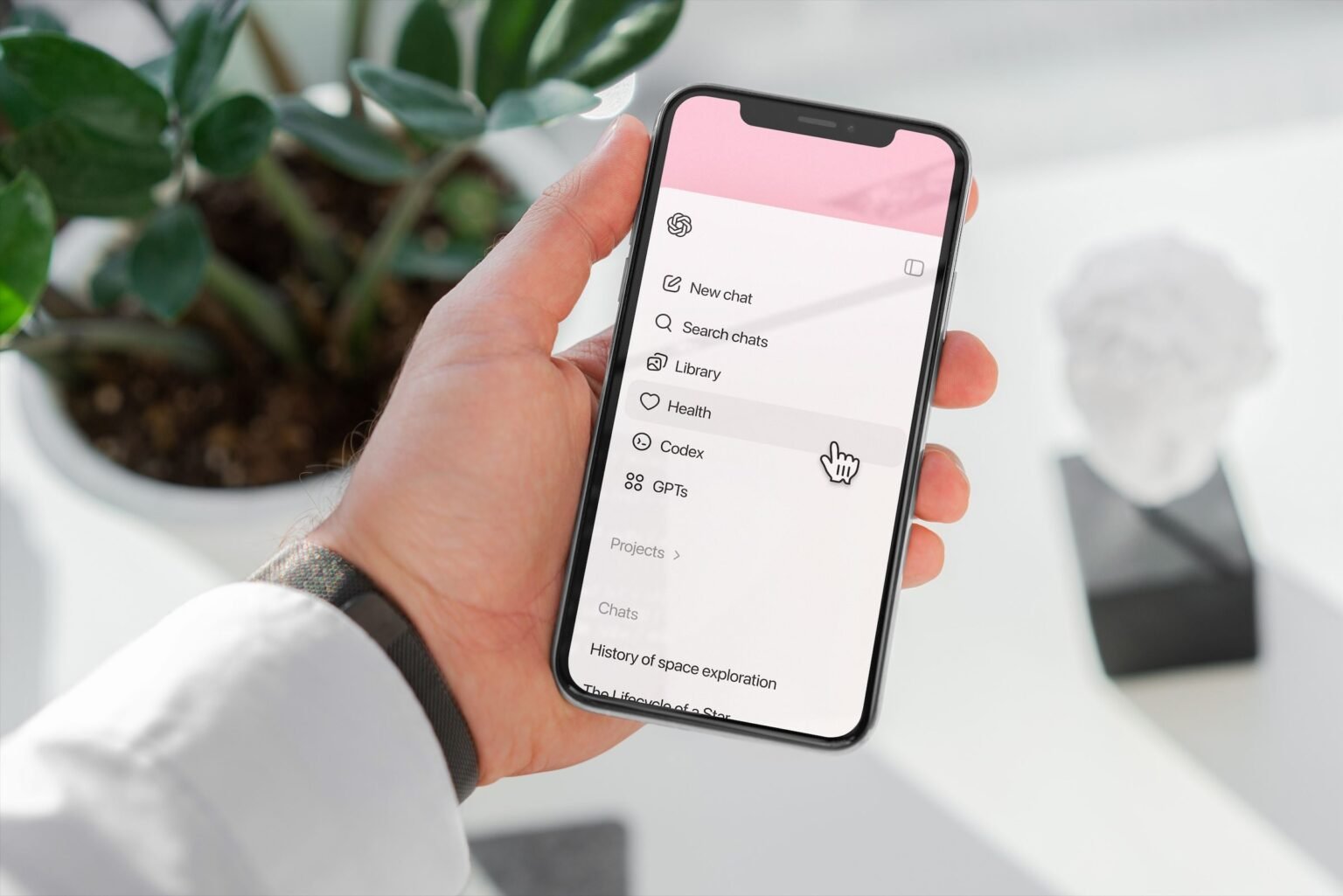
The idea behind ChatGPT into patient health is simple. Users can allow ChatGPT to access supported medical records and Apple Health information so conversations are based on their own health history rather than general information.
Once permission is granted, ChatGPT can explain laboratory reports, summarize medical notes, identify trends in health data, and help users prepare questions before visiting a healthcare provider. It is designed as an educational assistant rather than a diagnostic system.
How ChatGPT Into Patient Health Works
The ChatGPT into patient health experience currently supports eligible users in the United States who are at least 18 years old.
Users may connect supported medical records, Apple Health data, and selected healthcare providers. After the connection is complete, ChatGPT can use that information during conversations when permission is given.
For example, someone could ask why cholesterol levels have changed over the last three years or request a simple explanation of a recent blood test. This removes the need to upload documents during every conversation repeatedly.
Practical Benefits of ChatGPT in Patient Health
The biggest strength of ChatGPT in patient health is making complex medical information easier to understand.
Patients often receive reports filled with medical terminology that can be difficult to interpret. ChatGPT can translate those reports into plain English without replacing professional medical advice.
Other practical uses include
- Understanding laboratory results
- Reviewing previous appointments
- Preparing questions before seeing a doctor
- Tracking changes in sleep and activity
- Comparing historical health trends
- Understanding medication information
Many patients may find these explanations reduce confusion before or after medical appointments.
Privacy and Security Considerations
Whenever ChatGPT is used in patient health, privacy becomes one of the biggest concerns.
OpenAI says connected health information receives additional security protections beyond standard conversations. According to the company, connected health records are excluded from model training and advertising purposes. Users also control what information is connected and can disconnect data later. Even with these protections, users should carefully review privacy settings before sharing sensitive medical information.
What ChatGPT Into Patient Health Cannot Do
- It is important to understand the limitations.
- ChatGPT into patient health is not a licensed physician.
- It cannot perform physical examinations.
- It cannot replace emergency medical care.
- It cannot guarantee that every medical record is complete or fully up to date.
- OpenAI repeatedly states that important medical decisions should always involve qualified healthcare professionals.
Real World Example
Imagine a patient receives blood test results showing several unfamiliar medical terms.
Instead of searching dozens of websites, the patient could use ChatGPT for patient health to receive a simplified explanation, compare the results with previous reports, and generate useful questions for the next doctor appointment.
The physician still makes the diagnosis and treatment decisions, but the patient arrives better informed.
Pros and Cons of ChatGPT for Patient Health
Pros
- Easier understanding of medical reports
- Better preparation before doctor visits
- Personalized explanations using connected records
- Saves time by avoiding repeated document uploads
- Helps organize long-term health information
Cons
- Not a substitute for medical professionals
- Depends on accurate and updated medical records
- Privacy concerns remain important
- Availability is currently limited
- Incorrect interpretations are still possible in some situations
Common Mistakes Users Make
- Many people misunderstand how ChatGPT into patient health should be used.
- One common mistake is treating AI responses as final medical advice.
- Another mistake is assuming every connected record is fully updated. Healthcare records sometimes contain outdated medications or incomplete information.
- Some users may also ignore professional medical care after receiving reassuring AI responses. That can become dangerous, especially during emergencies. Recent legal cases have highlighted why AI should never delay urgent medical treatment.
Expert Tips for Using ChatGPT in Patient Health Safely
- Always verify important medical information with your healthcare provider.
- Use ChatGPT to understand reports rather than diagnose illnesses.
- Review connected medical records regularly for outdated information.
- Never ignore emergency symptoms because of an AI response.
- Keep sensitive health information protected by reviewing privacy settings.
Why Healthcare Experts Are Watching Closely
Healthcare professionals generally agree that AI can improve health literacy when used responsibly.
Research has shown that large language models can help explain medical information and improve patient understanding, but they also produce inconsistent answers in certain situations. Human oversight remains essential for safe healthcare decisions.
The introduction of ChatGPT into patient health is therefore viewed as an assistive technology instead of a replacement for physicians.
The Future of ChatGPT in Patient Health
The current rollout focuses on supported users in the United States, but digital healthcare continues to evolve rapidly.
Future improvements may include broader healthcare provider support, better integration with wearable devices, improved explanations, and stronger safety systems.
Whether ChatGPT expands into patient health internationally will likely depend on healthcare regulations, privacy laws, and partnerships with medical providers. As this technology develops, maintaining transparency and patient trust will remain essential.
The Paradox Wellness believes that digital health tools are most valuable when they empower patients to understand their health while keeping qualified healthcare professionals at the center of medical decision-making.
Frequently Asked Questions
Is ChatGPT available for patient health worldwide?
No. The current rollout is limited to eligible users in the United States on supported platforms.
Can ChatGPT diagnose diseases?
No. ChatGPT is designed to help explain health information but does not replace licensed medical professionals.
Is health information used to train ChatGPT?
OpenAI says connected health records are excluded from foundation model training and advertising purposes.
Can ChatGPT explain blood test results?
Yes. One intended use is helping patients understand laboratory reports and medical terminology in simpler language.
Should I trust ChatGPT during a medical emergency?
No. Anyone experiencing emergency symptoms should immediately contact emergency medical services or a qualified healthcare professional.
Can I disconnect my medical records later?
Yes. OpenAI says users can disconnect supported health data sources through account settings.
Medical Expert’s Opinion
The introduction of ChatGPT into patient health represents an important shift in how people interact with personal medical information. Instead of replacing doctors, the technology aims to help patients better understand laboratory reports, organize health records, and prepare for medical appointments.
The feature also raises important discussions about privacy, data security, and responsible AI use. While it has the potential to improve health literacy, it should always be viewed as a supporting tool rather than a medical authority. The safest approach is to combine AI-generated insights with professional healthcare advice, ensuring that technology enhances patient understanding without replacing expert clinical judgment.