

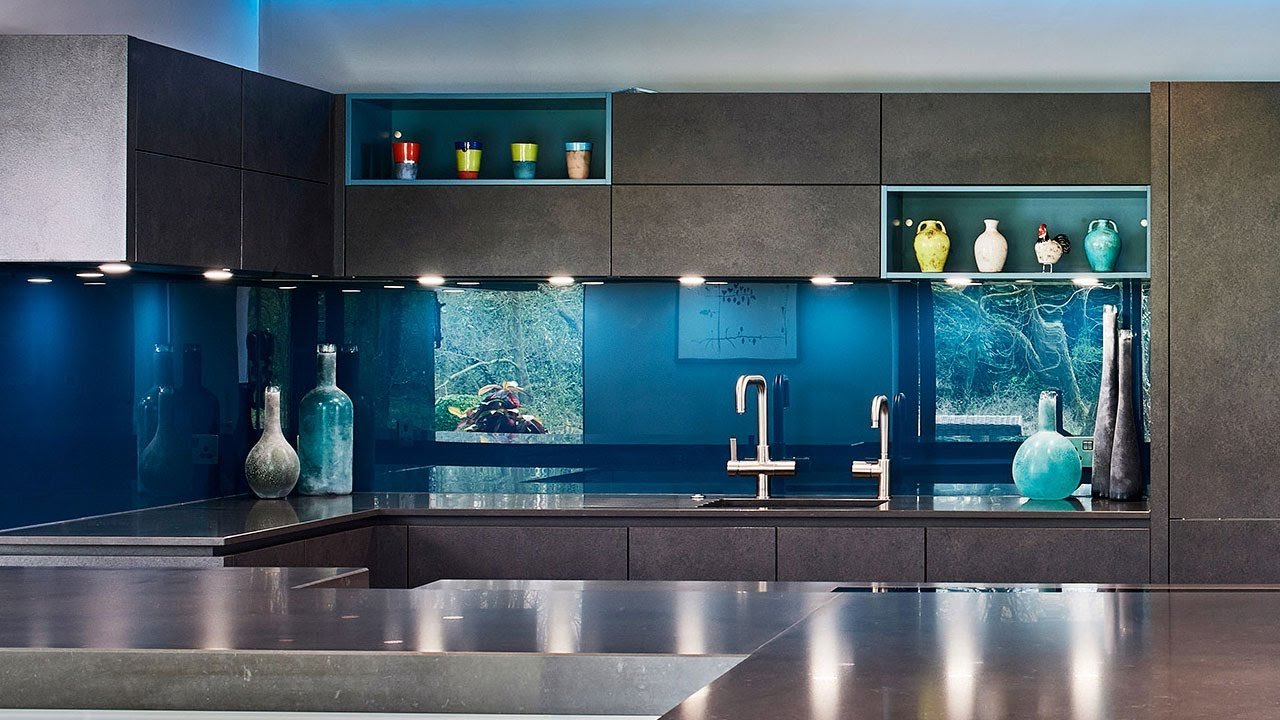


I have renovated three kitchens over the past decade, and every single time the backsplash decision came down to the same question. Do I spend the money on a tile backsplash, or is there a smarter way to get the same visual impact without the labor and material costs that tile usually demands?
A tile backsplash is still one of the most popular choices for kitchens, and for good reason. It is durable, easy to wipe down, and available in almost unlimited colors and patterns. But a tile backsplash also comes with real costs. Between the tile itself, the mortar, the grout, and the professional installation most homeowners end up hiring for, a standard tile backsplash project can run anywhere from a few hundred dollars to well over two thousand dollars depending on the size of the kitchen and the tile you choose.
The good news is that you do not have to choose between an expensive tile backsplash and a boring, unfinished wall. Several alternatives give you the same visual punch as a tile backsplash, often for a fraction of the price and in a fraction of the time. I have tested or closely researched every option on this list, and I will be honest about where each one falls short so you can make the right call for your own kitchen.
Why People Look For Alternatives To A Tile Backsplash
Before I get into the list, it helps to understand why so many homeowners are searching for something other than a traditional tile backsplash in the first place.
Cost is the biggest factor. Ceramic and porcelain backsplash tiles for kitchen walls are affordable on their own, but installation labor often doubles or triples the total price. Renters are another big group, since a permanent tile backsplash is not an option when you cannot alter the walls. And then some homeowners want to update their kitchen every few years without redoing a permanent installation each time.
Whatever your reason, the alternatives below solve for one or more of these problems while still giving your kitchen the finished, intentional look that a tile backsplash is known for.
1. Peel And Stick Backsplash Tiles
Peel and stick backsplash tiles are probably the most talked about alternative to a traditional tile backsplash, and I understand why. They mimic the look of real backsplash tile almost perfectly in photos; they install in an afternoon, and most kitchens only need one or two boxes to cover the space behind a stove and counter.
Pros:
The biggest advantage is speed. You can go from bare wall to finished kitchen backsplash tile look in a single Saturday, with no grout, no mortar, and no waiting for anything to cure. They are also renter-friendly since most brands are designed to come off cleanly.
Cons:
Peel and stick options do not hold up as well near a stove that gets heavy use, and the edges can start to lift over time, especially in humid kitchens. They are also not a true substitute for real tile on kitchen backsplash walls if you are trying to increase resale value, since appraisers and buyers can usually tell the difference up close.
Expert tip: Clean and prime the wall thoroughly before applying peel-and-stick sheets. Most failures happen because of grease or moisture left behind from the old wall surface, not because the product itself is bad.
2. Beadboard Panels
Beadboard is a classic look that predates the modern subway tile backsplash trend by decades, and it is having a real comeback in farmhouse and cottage style kitchens. It is made from grooved wood panels that you paint in whatever color matches your cabinets.
Pros:
Beadboard is inexpensive per square foot and easy to install with construction adhesive or small nails. It also gives a warmer, more textured look than a flat tile backsplash, which some homeowners actually prefer.
Cons:
Wood-based backsplash materials are more vulnerable to water damage near the sink, so you need to seal the panels well and stay on top of maintenance. It is also a very specific aesthetic that does not suit every kitchen style.
3. Beaded Board Or Shiplap
Shiplap became a household name thanks to home renovation shows, and it works surprisingly well as a backsplash alternative. The horizontal lines add visual interest without the cost of a full tile backsplash installation.
Pros:
Shiplap is affordable, especially if you buy unfinished boards and paint them yourself. It also pairs well with farmhouse, coastal, and modern rustic kitchen designs.
Cons:
Like beadboard, shiplap needs a good quality sealant near wet areas. I would avoid it directly behind a sink unless you are prepared to reseal every year or two.
4. Stainless Steel Backsplash Panels
If your kitchen leans modern or industrial, stainless steel sheets are one of the most durable alternatives to a tile backsplash you can buy. Professional kitchens have used stainless steel backsplashes for decades because they handle heat and grease better than almost anything else.
Pros:
Stainless steel is heat resistant, easy to wipe clean, and it will not crack or chip the way ceramic tile can over time. A single large panel also means no grout lines to scrub, which is a real advantage over a standard tile backsplash.
Cons:
Fingerprints and water spots show up easily, so you will be wiping it down often. It can also feel cold or overly industrial in a traditional style kitchen.
5. Wood Slat Or Reclaimed Wood Panels
Wood slat backsplashes have become popular in kitchens that want warmth and texture rather than the cool, uniform look of a tile backsplash. Reclaimed wood in particular gives a kitchen a sense of history and character.
Pros:
Wood slats are relatively inexpensive if you source reclaimed material locally, and they add genuine texture that a flat tile backsplash cannot replicate.
Cons:
Wood needs sealing to resist moisture and grease, and it is not the best choice directly behind a cooktop unless you leave a buffer of a more heat-resistant material.
6. Painted Brick Or Faux Brick Panels
Exposed brick has a timeless, slightly industrial charm, and faux brick panels let you get that look without demolishing a wall to find real brick underneath. Painted brick, whether real or faux, gives a kitchen a lived-in, character-filled feel that a plain subway tile backsplash sometimes lacks.
Pros:
Faux brick panels are budget-friendly and install quickly with adhesive. They also hide minor wall imperfections better than smooth tile does.
Cons:
The rougher texture can trap grease and grime more than a sealed tile backsplash would, so cleaning requires a bit more effort.
7. Beadboard Wallpaper Or Textured Vinyl Wallpaper
Modern wallpaper has come a long way from what our grandparents used. Textured, washable vinyl wallpaper can mimic tile backsplash patterns, brick, or even marble at a fraction of the cost.
Pros:
Wallpaper is one of the cheapest options on this list, and premium washable versions can handle light splashes and steam reasonably well. It is also the easiest option to change again in a few years if your taste evolves.
Cons:
It is genuinely not as durable as a real tile backsplash, and I would not recommend it directly behind a stove or sink without a protective panel of glass or acrylic on top.
8. Painted Backsplash With A Faux Tile Stencil
This is the most budget-conscious option on the entire list. A skilled painter, or a patient do-it-yourself homeowner, can stencil a faux subway tile backsplash pattern directly onto a primed wall using paint and a grout pen for the lines.
Pros:
The cost is close to nothing beyond paint and stencils, and the look can be surprisingly convincing from a normal viewing distance.
Cons:
It requires patience and a steady hand, and it will not hold up to heavy scrubbing the way real backsplash tiles for kitchen walls do. I recommend treating this as a temporary or rental-friendly solution rather than permanent.
9. Chalkboard Or Magnetic Paint Backsplash
This option is less about mimicking a tile backsplash and more about function paired with style. Chalkboard paint or magnetic primer turns your backsplash into a usable surface for notes, menus, or kids’ drawings.
Pros:
It is inexpensive, fun for families, and easy to refresh with a new coat of paint whenever you want a change.
Cons:
It is not heat or grease resistant in the way ceramic tile is, so I would keep this style away from the immediate cooking zone and use it more as an accent wall behind open shelving or a coffee station.
10. Concrete Skim Coat Or Limewash Finish
For homeowners who want a modern, minimalist look, a skim coat of concrete or a limewash plaster finish creates a smooth, artisanal backsplash without a single piece of tile. This has become popular in Scandinavian and Mediterranean-inspired kitchens.
Pros:
It creates a completely seamless look that no tile backsplash can match, and it ages with a natural patina that many homeowners find appealing.
Cons:
This is one of the more labor-intensive options to apply correctly, and it typically needs a professional finisher for the best results, which can offset some of the cost savings compared to simpler alternatives.
Common Mistakes Homeowners Make
I have seen the same handful of mistakes come up again and again when people move away from a standard tile backsplash.
The first mistake is skipping proper wall preparation. Whether you are using peel-and-stick tiles, wallpaper, or paint, the final result is only as good as the wall underneath it. Grease, old paint, and moisture will all ruin adhesion.
The second mistake is choosing a material that cannot handle heat directly behind the stove. Wood, wallpaper, and chalkboard paint all need a buffer zone or a more heat-resistant material in that specific spot, even if the rest of the backsplash uses a softer material.
The third mistake is underestimating how a tile backsplash alternative will look next to existing countertops and cabinets. I always recommend buying a small sample and taping it to the wall for a few days before committing to a full installation.
How To Choose The Right Alternative For Your Kitchen
Start with your budget and your timeline. If you need something done this weekend, peel-and-stick backsplash tiles or wallpaper will get you there fastest. If you are willing to invest a bit more time for a more permanent look, stainless steel panels, large format acrylic sheets, or a limewash finish will hold up longer and may add more value if you plan to sell.
Also think about how the space is actually used. A kitchen where you cook daily and deal with real grease and heat needs a tougher surface than a kitchen that sees light use. Matching the material to your actual lifestyle will save you from redoing the project sooner than you expected.
I originally researched several of these options while writing home improvement content for Paradox Spotlight, and the pattern that stood out across every project was the same. The best backsplash alternative is not always the cheapest one on paper. It is the one that matches how you actually cook, clean, and live in your kitchen.
Frequently Asked Questions
Is peel and stick backsplash tile actually durable enough for daily kitchen use?
It can handle light daily use reasonably well, but the adhesive tends to weaken over time near heat and steam. Most homeowners get several good years out of it before edges start to lift, especially near the stove.
Can I install a backsplash alternative myself without professional help?
Yes, most of the options on this list, including peel and stick tiles, wallpaper, and painted finishes, are designed for do-it-yourself installation. Stainless steel panels, large format acrylic sheets, and limewash finishes usually benefit from professional installation for the best results.
Which alternative looks most like a real tile backsplash?
Peel and stick tiles and large format printed laminate sheets tend to look the closest to a genuine subway tile backsplash or classic ceramic backsplash tile, especially from a normal viewing distance.
Do backsplash alternatives affect home resale value the same way tile does?
Generally, a real tile backsplash is still viewed more favorably by buyers and appraisers than most alternatives. If resale value is your main concern, a modest but real tile backsplash installation may be worth the extra cost over a temporary alternative.
What is the cheapest alternative to a tile backsplash?
A stenciled faux tile paint finish is typically the least expensive option, since it only requires paint, a stencil, and time. Wallpaper is a close second in terms of low cost.
Are these alternatives safe to use directly behind a gas or electric stove?
Not all of them. Stainless steel panels and large format acrylic sheets handle heat well, but wood, wallpaper, and chalkboard paint should be kept a safe distance from direct heat or paired with a heat-resistant panel in that specific zone.
How long does a typical backsplash alternative installation take?
Peel and stick tiles and wallpaper can usually be finished in a single day. Wood paneling, shiplap, and stainless steel panels often take a full weekend. Concrete skim coats and limewash finishes generally take the longest, sometimes several days including drying time between coats.
Can I combine a backsplash alternative with real tile in the same kitchen?
Yes, and it is actually a popular design choice. Many kitchens use a small strip of real kitchen backsplash tile directly behind the stove for heat resistance, paired with a more affordable alternative like wallpaper or painted panels along the rest of the counter.
Expert’s Opinion
A tile backsplash will always be a strong, reliable choice for a kitchen, and I am not suggesting anyone avoid it if the budget and timeline allow for it. But if cost, rental restrictions, or wanting a faster project are holding you back, the eleven alternatives above prove that you do not need a traditional tile backsplash to get a kitchen that looks finished and intentional.
The right choice really depends on your kitchen, your budget, and how much wear and tear the space sees on a normal week. Whichever direction you go, take the time to prep your wall properly and test a sample before committing to the full installation. That single step prevents most of the regret I hear about from homeowners after the fact.