


Article Highlights
- Elon Musk remains the world’s wealthiest person, with his fortune closely tied to Tesla and SpaceX.
- Larry Page and Sergey Brin built extraordinary fortunes through the creation and growth of Google.
- Jeff Bezos transformed Amazon from an online bookstore into a global technology and commerce company.
- Jensen Huang’s wealth reflects Nvidia’s growing importance in artificial intelligence and advanced computing.
- Bernard Arnault shows that luxury brands can create wealth on a scale comparable to the world’s biggest technology companies.
Top 10 Billionaires of This Year So Far 2026
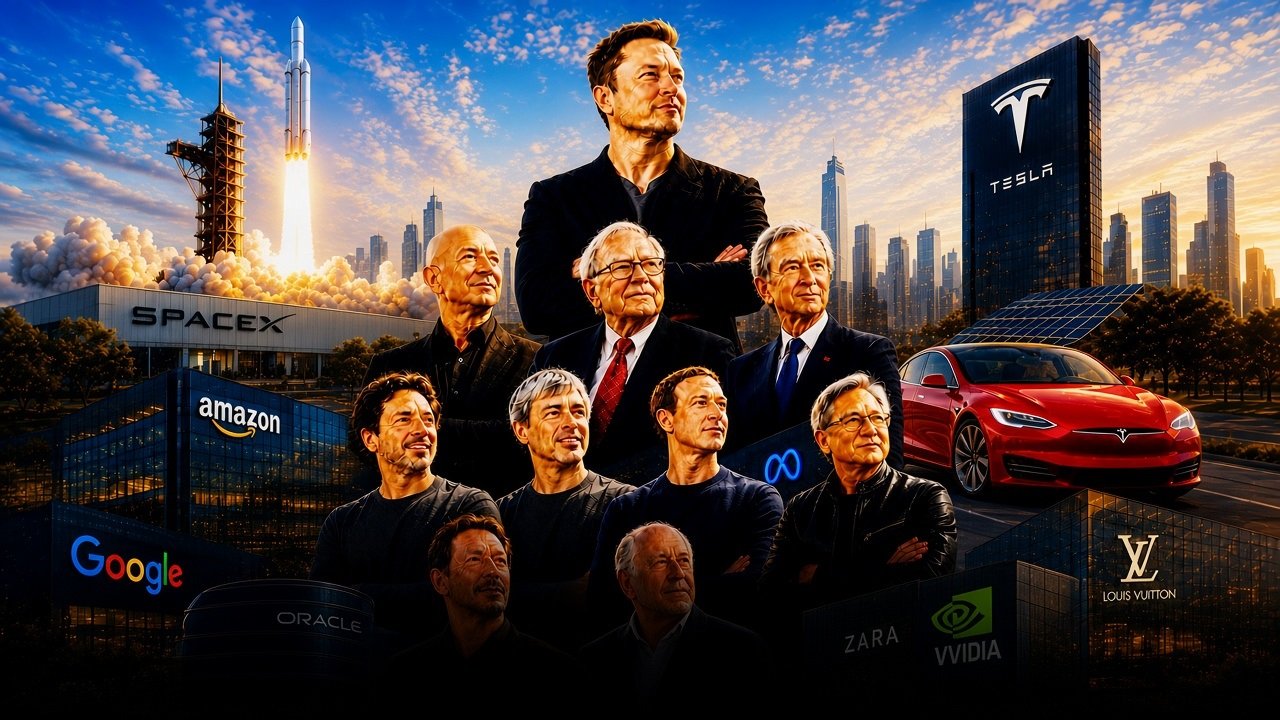
The world of extreme wealth can change quickly because the fortunes of billionaires are closely tied to company valuations and stock prices. The 10 Billionaires of this year featured here represent some of the most influential names in technology, retail, software, luxury goods, and computing. Their fortunes have been shaped by companies such as Tesla, SpaceX, Google, Amazon, Dell Technologies, Meta, Oracle, Nvidia, Microsoft, and LVMH.
It is important to clarify that this article follows the specific group of 10 Billionaires of this year requested for this list. It is not presented as a strict live ranking of the ten richest people on the planet on every day of 2026. Forbes ‘ real-time figures can change significantly from one trading session to another. For example, Forbes reported substantial daily movements among the world’s richest people during August 2026.
For readers following the 10 Billionaires of this year, the most interesting part is not simply the size of their fortunes. Their stories show how different business models can create extraordinary wealth, from internet search and online shopping to artificial intelligence, semiconductors, personal computing, electric vehicles, space technology, and luxury fashion.
1: Elon Musk – Net Worth $836 Billion (Estimated)
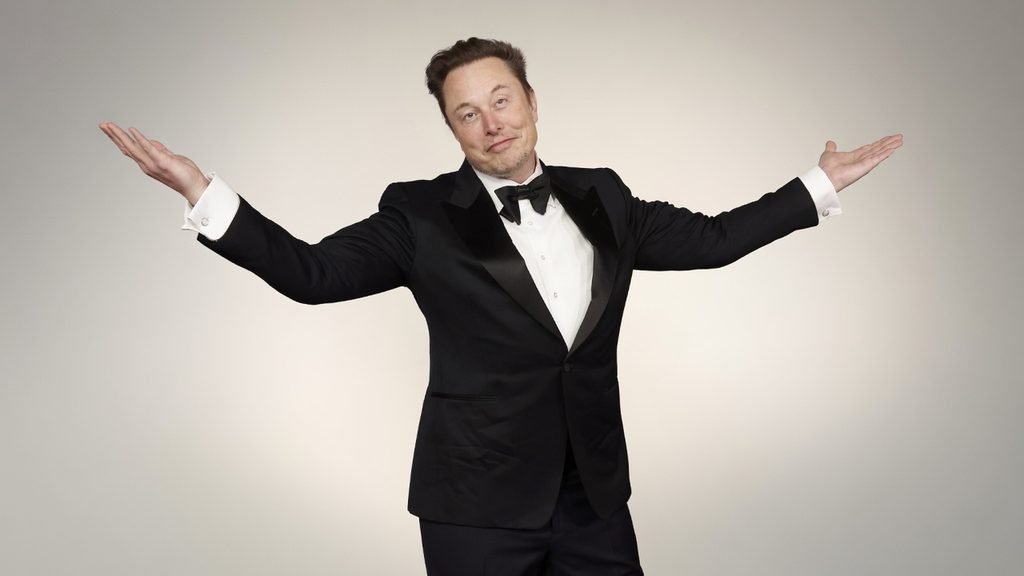
Elon Musk remains the most prominent name among the 10 Billionaires of this year, with Forbes ‘ real-time wealth estimated at $856.9 billion on August 22, 2026. His fortune is primarily connected to Tesla and SpaceX, while his business interests have also included artificial intelligence and social media. Musk cofounded SpaceX in 2002 and became closely associated with Tesla after investing in the company in its early years and eventually becoming its chief executive. His career has been built around industries that require enormous amounts of capital and long-term technological development, including electric vehicles, reusable rockets, artificial intelligence, and satellite communications. Forbes reported that Musk became the first person to reach trillionaire status during 2026 after SpaceX went public, although his fortune subsequently moved sharply as company valuations changed.
2: Larry Page – Net Worth $298 Billion (Estimated)
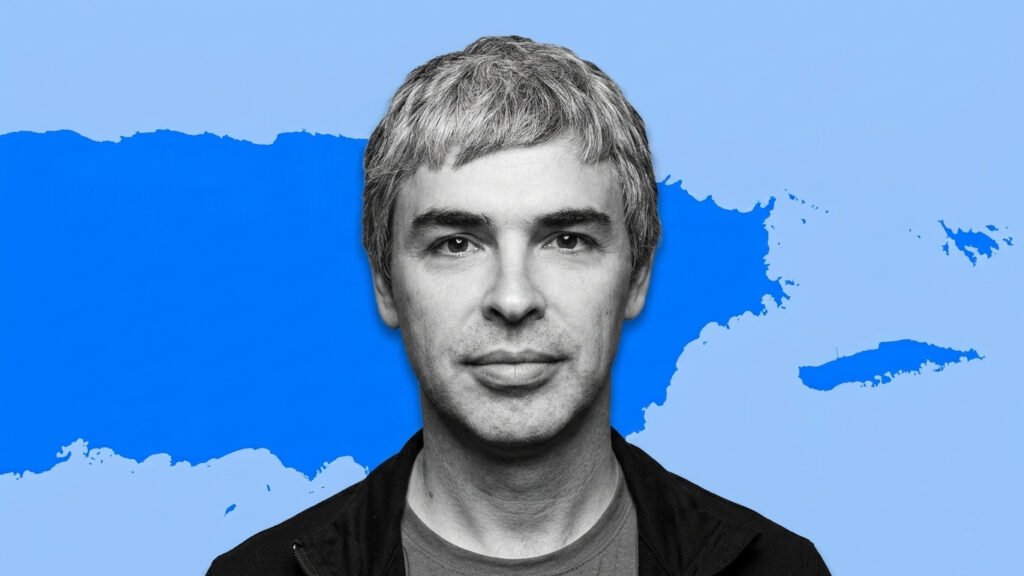
Larry Page is another major figure among the 10 Billionaires of this year, with Forbes estimating his fortune at about $281.9 billion on August 22, 2026. Page cofounded Google with Sergey Brin in 1998 after the pair met while studying at Stanford University. The search engine they developed eventually became one of the most important internet businesses in history and evolved into Alphabet, Google’s parent company. Page served as Google’s chief executive during two separate periods before stepping away from day-to-day leadership and remaining a controlling shareholder and board member of Alphabet. His wealth illustrates how ownership in a highly scalable technology company can become vastly more valuable over several decades. Forbes also reported that Page briefly crossed the $300 billion wealth mark in 2026, demonstrating how quickly fortunes can change when they are heavily connected to public technology companies.
3: Jeff Bezos – Net Worth $283 Billion (Estimated)
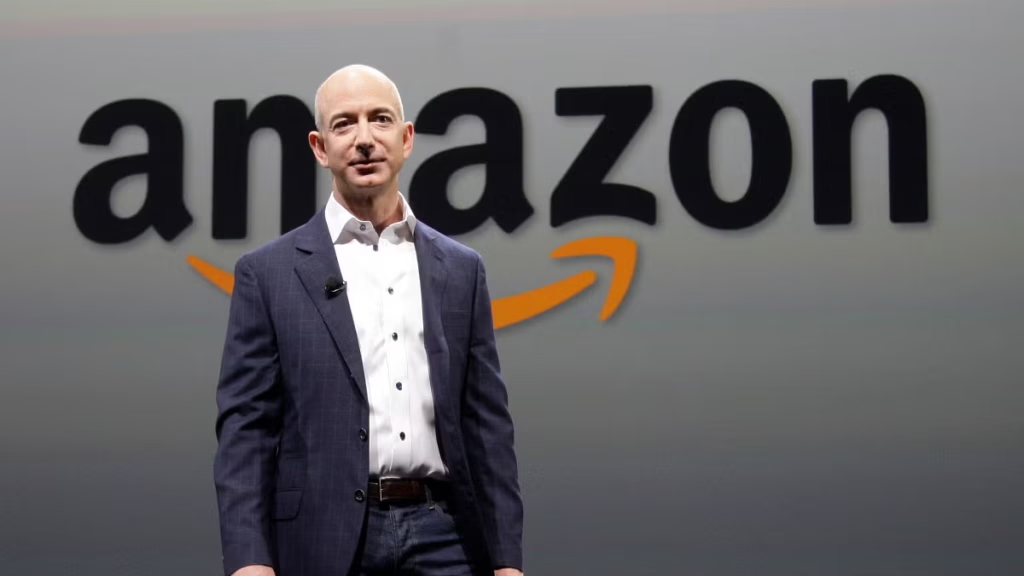
Jeff Bezos continues to rank among the 10 Billionaires of this year, with Forbes estimating his fortune at approximately $266.6 billion on August 22, 2026. Bezos founded Amazon in 1994, initially building the company around online book sales before expanding into an enormous marketplace for products and services. Amazon later developed major businesses in cloud computing, advertising, logistics, streaming, and digital services, creating multiple sources of value beyond traditional retail. Bezos stepped down as Amazon chief executive in 2021 and became executive chairman, while continuing to hold a substantial financial interest in the company. He also founded Blue Origin, a private space company focused on developing spaceflight technology. His career is a useful example of how starting with a relatively focused online business can eventually lead to a diversified global technology and commerce empire.
4: Sergey Brin – Net Worth $277 Billion (Estimated)
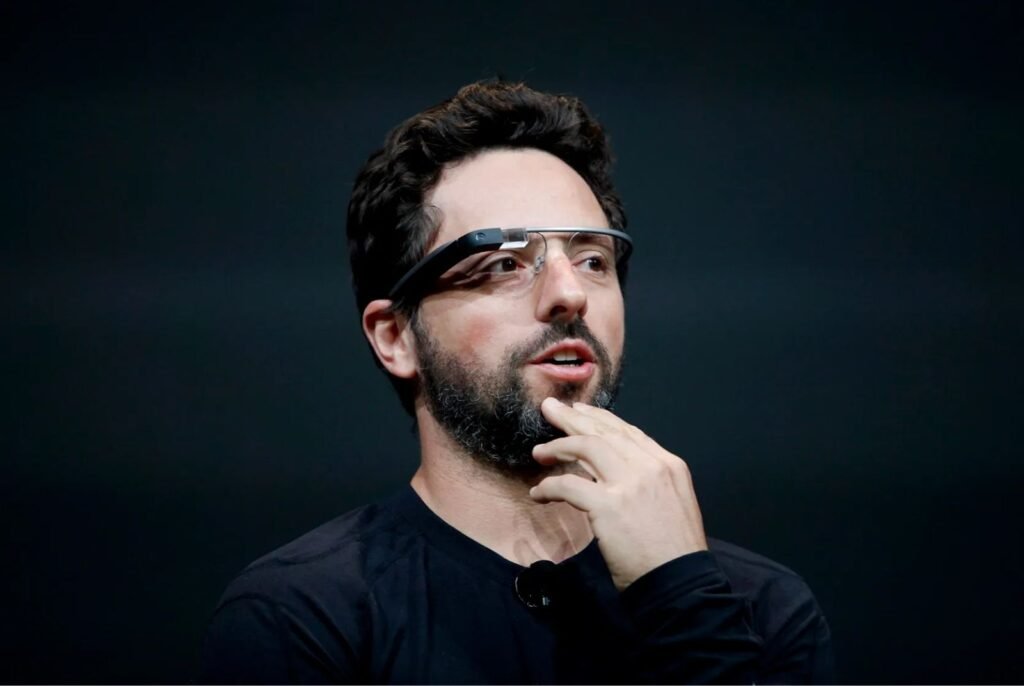
Sergey Brin is one of the most important technology entrepreneurs among the 10 Billionaires of this year, with Forbes estimating his real-time fortune at about $260 billion in August 2026. Brin cofounded Google with Larry Page in 1998 after meeting Page at Stanford while pursuing advanced studies in computer science. Google transformed how people accessed information online and eventually became the foundation of Alphabet, one of the world’s most valuable technology companies. Brin stepped down as Alphabet president in 2019 but remains a board member and controlling shareholder. His wealth is therefore closely connected to his long-term ownership of Alphabet rather than a conventional executive salary. Forbes also notes that Brin has contributed more than $2 billion toward Parkinson’s research and other causes involving the central nervous system and climate change.
5: Michael Dell – Net Worth $223 Billion (Estimated)
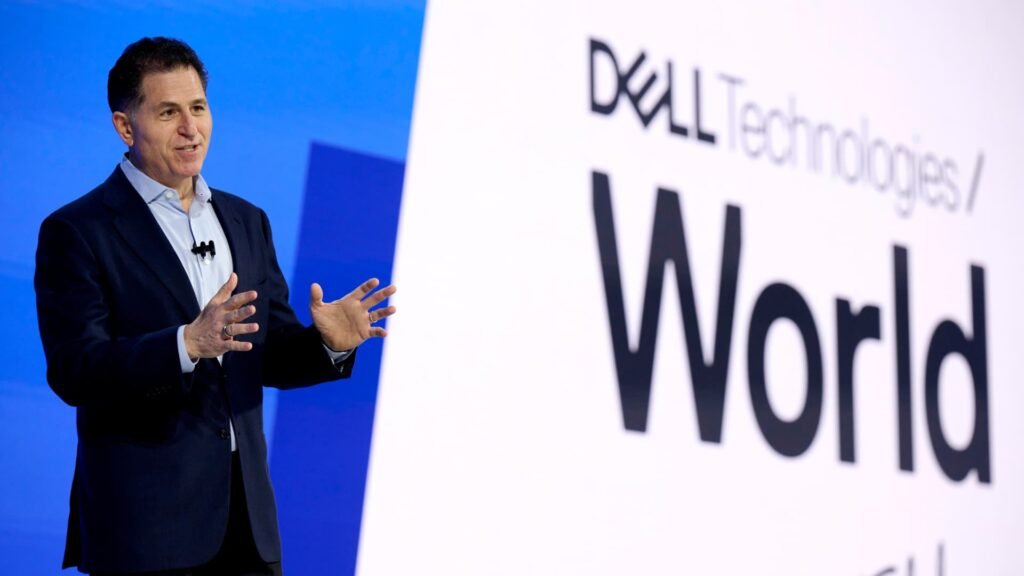
Michael Dell has become one of the biggest fortunes in the technology hardware industry and is included among the 10 Billionaires of this year, with Forbes estimating his fortune at roughly $236.2 billion on August 22, 2026. Dell founded the company that became Dell Technologies while he was still a student, building computers to order and selling them directly to customers. The direct sales approach helped Dell grow rapidly in the personal computer market and eventually turned the business into a major global technology company. Dell later took the company private before returning it to public markets through the acquisition and combination involving EMC, creating Dell Technologies in 2016. His career stands out because he built wealth through a combination of entrepreneurship, operational efficiency, technology hardware, and major corporate transactions rather than through a purely software-based business.
6: Mark Zuckerberg – Net Worth $200 Billion (Estimated)
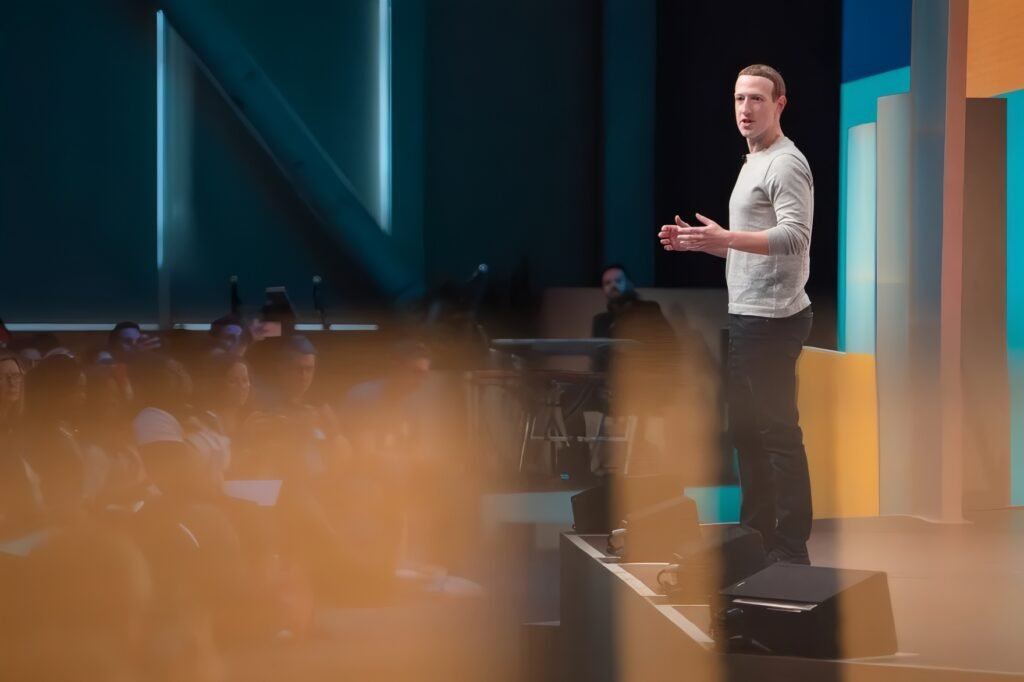
Mark Zuckerberg remains one of the youngest major fortunes among the 10 Billionaires of this year, with Forbes estimating his wealth at about $189 billion on August 22, 2026. Zuckerberg launched Facebook in 2004 while he was a student at Harvard University, initially creating the service as a social networking platform for students. Facebook expanded rapidly and eventually became the foundation of Meta Platforms, which also owns Instagram and WhatsApp. Zuckerberg has remained closely involved in Meta as its chief executive and controlling shareholder, allowing him to retain significant influence over the company’s long-term direction. His fortune demonstrates the extraordinary economic power of digital platforms that can serve billions of users while generating revenue through advertising and other technology services. The evolution from a university project into a global technology company is one of the defining entrepreneurial stories of the internet era.
7: Larry Ellison – Net Worth $197 Billion (Estimated)

Larry Ellison is another technology giant among the 10 Billionaires of this year, with Forbes estimating his wealth at about $189 billion in August 2026. Ellison cofounded Oracle and helped turn database software into a major enterprise technology industry. Oracle grew by supplying businesses with software and database systems and later expanded into cloud computing and other enterprise services. Ellison has served as Oracle chairman and chief technology officer and remains one of its largest shareholders. His career is particularly significant because Oracle built its wealth creation engine around software used by businesses rather than consumer technology. That business model allowed Oracle to become deeply embedded in corporate information systems across industries. Ellison’s fortune also reflects the importance of long-term equity ownership, since a large portion of billionaire wealth comes from the value of company shares rather than cash sitting in a bank account.
8: Jensen Huang – Net Worth $173 Billion (Estimated)
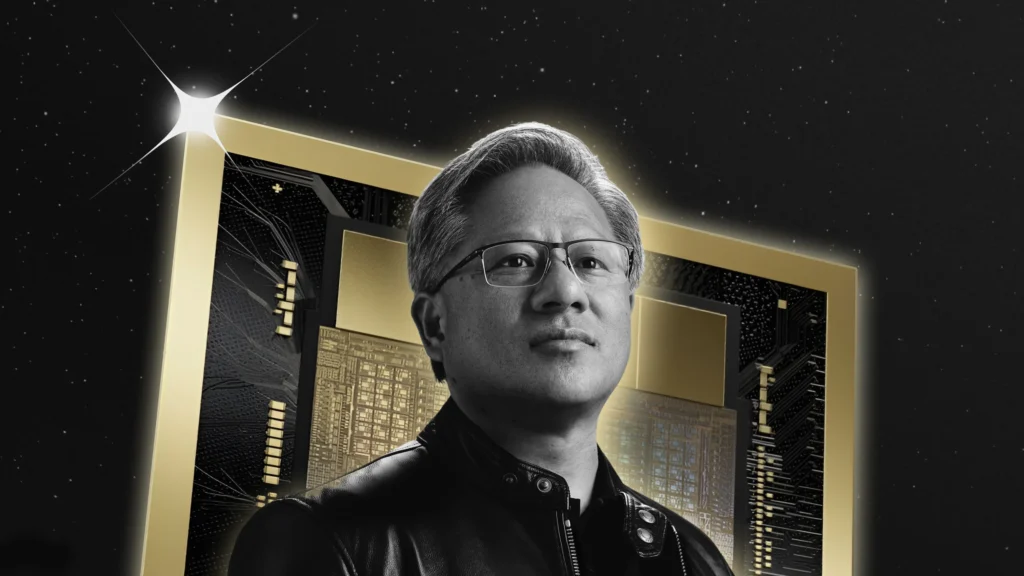
Jensen Huang has become one of the defining technology fortunes among the 10 Billionaires of this year, with Forbes estimating his wealth at around $185.5 billion on August 22, 2026. Huang cofounded Nvidia in 1993 and has served as its chief executive and president since the company’s early days. Nvidia initially became famous for graphics processors used in computers and gaming, but its technology later became central to artificial intelligence development because powerful graphics processors can handle the enormous calculations required by modern AI systems. The rapid growth of artificial intelligence has therefore dramatically increased the strategic importance and market value of Nvidia. Huang’s story is particularly notable because he spent decades building the company before the current AI boom turned Nvidia into one of the most important semiconductor businesses in the world.
9: Steve Ballmer – Net Worth $170 Billion (Estimated)
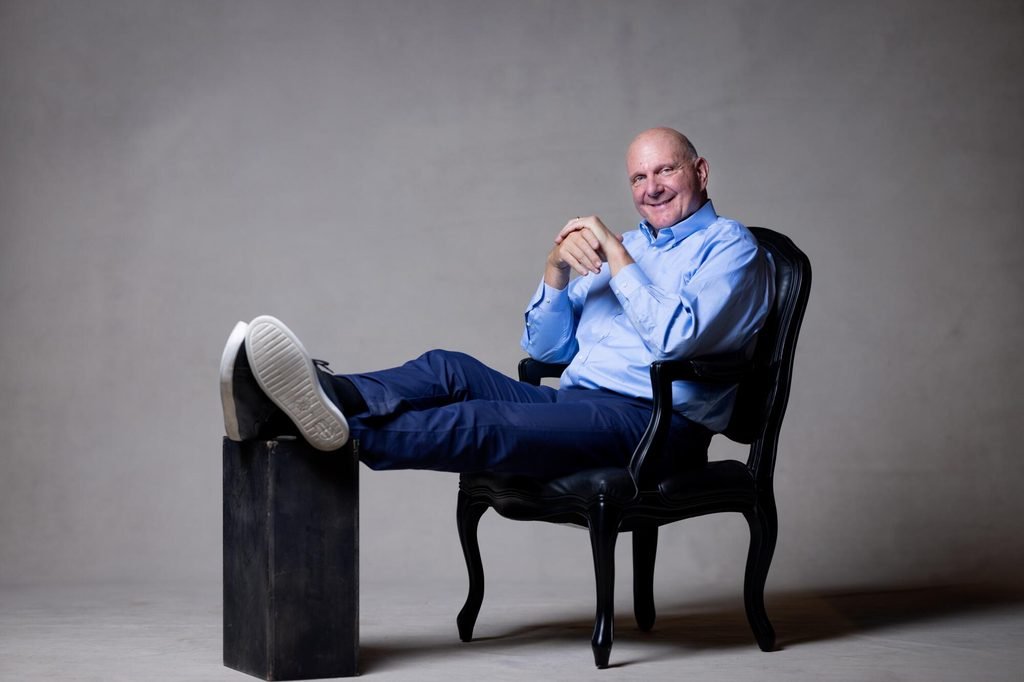
Steve Ballmer is a longtime Microsoft executive who remains among the 10 Billionaires of this year, with Forbes estimating his fortune at about $149.2 billion on August 22, 2026. Ballmer joined Microsoft in 1980 as one of the company’s early employees and eventually became chief executive, succeeding Bill Gates in 2000. During his leadership, Microsoft remained a dominant force in personal computing and enterprise software while expanding businesses around products and services such as Windows, Office, and other technology platforms. Ballmer retired as Microsoft chief executive in 2014 but retained a substantial ownership stake in the company. He later became the owner of the Los Angeles Clippers basketball team. His career demonstrates how senior leadership combined with long-term ownership in an exceptionally successful technology company can produce enormous wealth even without being the company’s founder.
10: Bernard Arnault – Net Worth $159 Billion (Estimated)
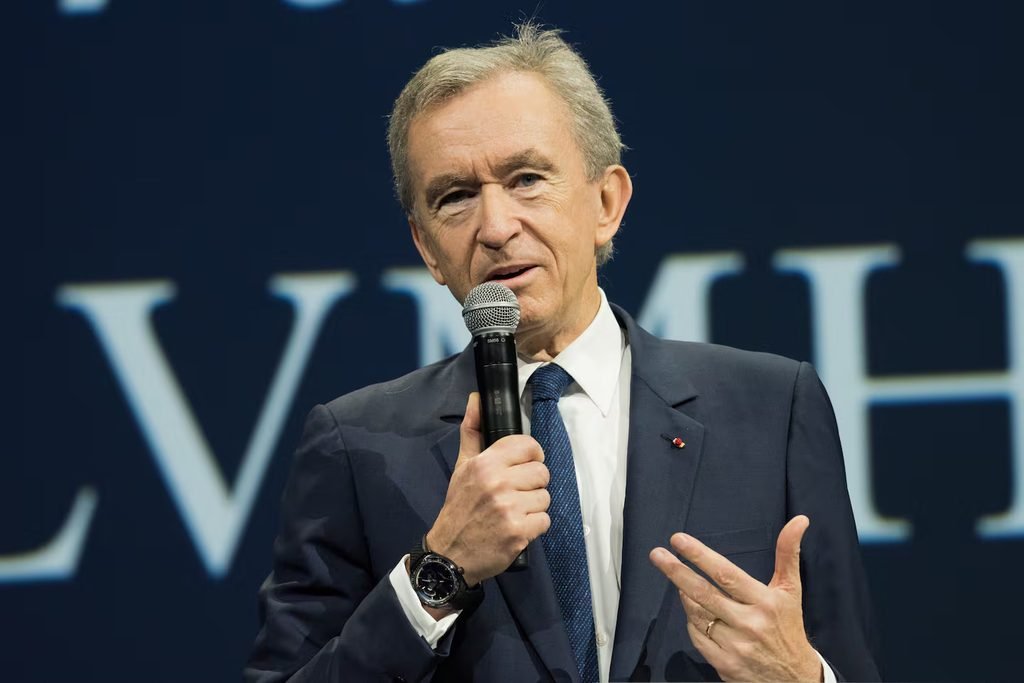
Bernard Arnault represents the luxury industry among the 10 Billionaires of this year, with Forbes estimating his fortune at about $142 billion on August 22, 2026. Arnault is the chairman and chief executive of LVMH, the luxury conglomerate behind brands including Louis Vuitton and many other fashion, cosmetics, jewelry, wine, and spirits businesses. Unlike several names on this list who built fortunes primarily through Silicon Valley technology companies, Arnault created his wealth by developing and managing a portfolio of premium brands with global recognition. LVMH’s business model depends heavily on brand reputation, pricing power, international distribution, and the ability to maintain an image of exclusivity. Arnault’s presence among the 10 Billionaires of this year is a useful reminder that extraordinary wealth is not limited to technology and that luxury consumer brands can become enormously valuable when managed successfully across generations and markets.
What the 10 Billionaires Reveal About Modern Wealth
The 10 Billionaires of this year reveal an important pattern in the modern global economy. Technology dominates the group, with fortunes connected to search engines, online retail, social media, enterprise software, semiconductors, personal computers, electric vehicles, and space technology. Yet Bernard Arnault shows that luxury remains capable of producing enormous economic value, while Steve Ballmer demonstrates how executive leadership and long-term stock ownership can create wealth on a scale comparable to that of company founders.
Another important observation is that billionaire net worth should not be confused with money available in cash. Most of the wealth held by the 10 Billionaires of this year is linked to ownership stakes in companies. When share prices rise, their estimated net worth can increase by billions of dollars without the person receiving that amount as income. The reverse is also true. A major market decline can reduce a billionaire’s estimated fortune dramatically without the person selling anything.
The 10 Billionaires of this year also demonstrate the importance of long-term ownership. Page and Brin benefited from maintaining substantial stakes in Alphabet. Bezos remained closely associated with Amazon’s enormous growth. Dell retained significant exposure to Dell Technologies. Huang’s Nvidia ownership became exceptionally valuable as demand for AI computing accelerated. These examples show why company ownership can matter much more to billionaire wealth than traditional annual compensation.
For readers interested in the stories behind extreme wealth, the 10 Billionaires of this year provide ten different paths to the same extraordinary financial outcome. Some created companies from scratch, some joined young businesses and became major executives, and others built wealth by controlling valuable brands. Their careers also show that wealth creation can take decades and that the businesses producing today’s largest fortunes often evolve substantially from their original ideas.
At Paradox Billionaires, examining these stories is useful because the numbers alone do not explain how these fortunes were created. The more meaningful lesson from the 10 Billionaires of this year is the relationship between ownership, innovation, scale, leadership, and long-term business growth.
My Personal Opinion On Real Time Billionaires
The 10 Billionaires of this year reflect the industries that currently command enormous economic value, particularly technology and artificial intelligence, while also showing the enduring power of retail, luxury, and established global brands. Their fortunes are impressive, but they are also highly dynamic because much of their wealth depends on company valuations and market conditions.
The 10 Billionaires of this year should therefore be viewed as a snapshot rather than a permanent ranking. Forbes ‘ real-time figures can change every trading day, and the order of the world’s wealthiest people can shift rapidly.
For anyone studying business success, the broader lesson from the 10 Billionaires of this year is more valuable than the rankings themselves. Their biographies show that creating enormous economic value usually requires a combination of ownership, persistence, innovation, strategic decisions, and the ability to operate at extraordinary scale.