

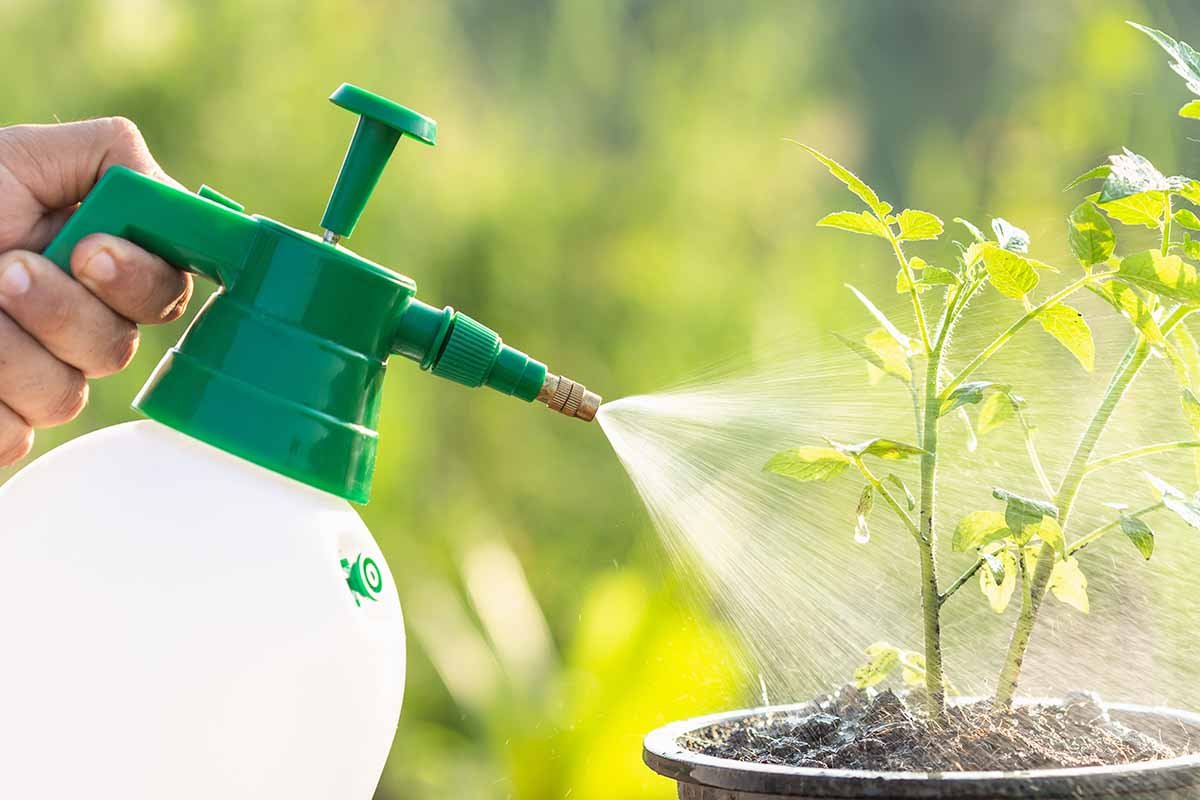


I have killed more lettuce with good intentions than I ever did with neglect. For years I assumed that if a little liquid fertilizer helped my leafy greens grow, then a heavier dose sprayed right onto the leaves would help even more. It did not. It scorched the leaves, wasted the product, and taught me a lesson that most gardening guides gloss over. This article walks through that mistake in detail, why it happens, and how to use liquid fertilizer the right way so your lettuce, spinach, kale, and herbs actually thrive.
The Mistake: Spraying Liquid Fertilizer Directly Onto The Leaves
The single biggest mistake gardeners make with liquid fertilizer on leafy greens is applying it as a foliar spray instead of feeding it to the soil. It feels intuitive to mist the leaves because you can literally watch the fertilizer land on the plant. That visible feedback creates a false sense of confidence.
The problem is that leaves are not built to absorb large volumes of nutrients the way roots are. A leaf’s surface is covered by a thin, waxy layer with tiny openings called stomata. These openings exist mainly for gas exchange and a small amount of water movement, not for soaking up concentrated liquid fertilizer at scale.
When you soak the foliage of tender leafy greens with liquid fertilizer, especially in strong sunlight or on a hot afternoon, you risk leaf burn. The edges turn brown, curl, or look scorched, almost like the plant was hit with too much heat. In many cases, the plant survives, but growth slows and the leaves you were hoping to harvest end up damaged or bitter.
Why This Mistake Is So Easy To Make
I get why so many people default to spraying. Pouring liquid fertilizer onto soil feels like an act of faith. You cannot see exactly where it goes, and it is tempting to wonder if it even reached the roots at all.
Spraying liquid fertilizer onto leaves removes that uncertainty. You see the mist land, you feel productive, and you assume the plant is getting fed. Unfortunately, feeling productive and actually helping the plant are two different things.
There is also a marketing factor at play. Many liquid lawn fertilizer products and general-purpose plant sprays are labeled for broad use, and people naturally transfer that same spray habit to their vegetable beds without checking whether it applies to leafy greens specifically.
What Actually Happens When You Foliar Feed Leafy Greens
Foliar feeding is not entirely wrong as a technique. It has a real place in gardening. But it is a rescue tool, not a routine feeding method for leafy greens.
Here is what tends to happen when liquid fertilizer is applied to the leaves of lettuce, spinach, arugula, or similar crops on a regular basis.
- A large portion of the fertilizer evaporates or drips off before it is absorbed, which wastes product and money.
- The plant absorbs only a small fraction of the nutrients through its leaf surface compared to what roots can take in.
- Leaves exposed to concentrated liquid fertilizer in direct sun are more prone to burn, especially along the edges and tips.
- Repeated foliar applications can leave a residue on the leaves you are about to eat, which is not appealing for anything harvested raw.
That last point matters a lot for leafy greens specifically. Unlike a lawn or an ornamental shrub, you are going to eat these leaves. Anything you spray on them needs extra thought, not less.
The Right Way To Apply Liquid Fertilizer To Leafy Greens
The fix is simple once you understand the plant biology behind it. Apply liquid fertilizer to the soil around the base of the plant, not to the leaves themselves.
Here is the approach I use now, and it has made a noticeable difference in how consistently my greens grow.
- Dilute the liquid fertilizer according to the label, and if you are unsure, mix it slightly weaker rather than stronger.
- Water the soil lightly before feeding so a sudden concentrated dose does not stress the roots.
- Pour the diluted liquid fertilizer around the base of the plant, not on the crown or the leaves.
- Water again lightly afterward to help the fertilizer move down into the root zone
- Feed on a schedule rather than whenever the plant looks like it needs a boost, since leafy greens respond better to steady, moderate feeding than to occasional heavy doses.
This method takes a little more patience because you do not get that instant visual confirmation you get from spraying. But the payoff is stronger roots, steadier growth, and none of the leaf burn that comes from concentrated liquid fertilizer sitting on tender foliage.
When Foliar Feeding With Liquid Fertilizer Actually Makes Sense
There is one situation where spraying liquid fertilizer directly onto leaves is genuinely useful, and that is when a plant is already showing signs of deficiency and needs a fast response. Pale, yellowing leaves or stunted growth can sometimes be corrected more quickly with a light, diluted foliar application than by waiting for a soil feeding to work its way to the roots.
If you do need to foliar feed leafy greens as a short-term fix, keep a few things in mind.
- Dilute the liquid fertilizer more than you would for a soil application
- Apply early in the morning or in the evening, never during peak sun or heat
- Treat it as an occasional correction, not a routine feeding method
- Rinse the leaves before harvesting if you plan to eat them soon after
Liquid Fertilizer Versus Other Fertilizer Types For Leafy Greens
It helps to understand where liquid fertilizer fits compared to other options, since not every fertilizer behaves the same way once it hits the soil.
Liquid fertilizer pros
- Fast acting, since nutrients are already dissolved and ready for root uptake
- Easy to control the concentration by diluting with water
- Works well for container gardens and raised beds where nutrients leach out faster
- A good organic liquid fertilizer option gives you fast feeding without synthetic salts building up in the soil over time
Liquid fertilizer cons
- Because it acts quickly, it also leaves the root zone quickly, which means more frequent applications are needed
- Overapplication leads to fertilizer burn faster than slow-release granular options
- Easy to apply incorrectly, especially by spraying it directly on foliage instead of the soil
Granular and slow-release fertilizers feed plants more gradually and reduce the risk of burn, but they do not offer the same speed of response that liquid fertilizer provides when a plant needs help quickly. For leafy greens, many experienced gardeners use a combination: a slow-release base fertilizer at planting time and occasional liquid fertilizer feedings during active growth.
How This Compares To Feeding A Lawn
If you already use liquid lawn fertilizer, some of the logic will feel familiar, but leafy greens require more caution. A lawn is made of tough, established grass blades that can tolerate a broader margin of error. Leafy greens are tender, fast-growing, and often only a few weeks old when you are feeding them.
The same nitrogen-heavy formulas that work well as liquid fertilizer for grass can be far too aggressive for lettuce or spinach. Grass is grown for volume and green color. Leafy greens are grown to be eaten, and excess nitrogen can actually make them taste more bitter or bland depending on the crop, since the plant puts energy into leaf mass instead of flavor compounds.
If you are shopping for liquid fertilizer for plants in a vegetable bed, look for a lower nitrogen ratio than what you would choose for a lawn, and always check that the product is labeled safe for edible crops.
Common Mistakes To Avoid Beyond Foliar Spraying
Foliar spraying is the headline mistake, but a few related habits tend to show up alongside it.
Applying liquid fertilizer at full strength. Many gardeners assume more concentrated means more effective. With leafy greens, a weaker, more frequent application almost always outperforms a strong, occasional one.
Feeding during the hottest part of the day. Heat speeds up evaporation and increases the risk of burn, whether the liquid fertilizer lands on soil or leaves. Early morning or early evening is safer.
Ignoring the plant’s growth stage. Young seedlings need much less liquid fertilizer than mature plants approaching harvest. Feeding a seedling like it is a full-grown head of lettuce is a fast way to stunt it.
Skipping a water rinse before feeding. Pouring concentrated liquid fertilizer onto bone dry soil can shock the roots. A light watering first buffers that impact.
Using lawn formulas on vegetable beds. Liquid lawn fertilizer is often formulated with higher nitrogen and sometimes additives not meant for edible plants. Keep lawn and vegetable feeding products separate.
Expert Tips For Getting The Most Out Of Liquid Fertilizer
A few habits have made the biggest difference in how my leafy greens respond to liquid fertilizer over time.
Test a small area first if you are trying a new liquid fertilizer product, especially one you have not used on edible crops before. This gives you a chance to catch a reaction before it spreads across your whole bed.
Keep a simple feeding log, even something as basic as a note on your phone. Leafy greens grow fast, and it is easy to lose track of when you last fed them, which leads to accidental overfeeding.
Choose an organic liquid fertilizer when you can, particularly for crops you plan to harvest within a few weeks. Organic options tend to release more gradually and carry a lower risk of salt buildup in the soil compared to some synthetic liquid fertilizer blends.
Pay attention to leaf color as feedback. Deep green, slightly firm leaves usually mean the plant is well fed. Pale or yellowing leaves suggest a deficiency, while very dark, almost blue-green leaves with soft growth can be a sign of too much nitrogen from overuse of liquid fertilizer.
A Quick Note On Sourcing And Verifying Product Claims
Not every liquid fertilizer label tells the full story, and marketing claims around organic certification or nutrient percentages can vary by brand and region. If a product claims a specific NPK ratio or organic certification, it is worth checking the manufacturer’s own documentation or a local agricultural extension office rather than relying only on packaging copy, since I have not independently verified every brand claim referenced in general gardening discussions.
This article was put together as part of a broader home and garden coverage effort here at Paradox SpotLight, drawing on established plant science principles around foliar absorption and soil nutrient uptake rather than any single source.
Frequently Asked Questions
Can liquid fertilizer burn leafy greens if applied to the soil instead of the leaves?
Yes, though it is far less common. Overapplication or failing to dilute liquid fertilizer properly can still cause root stress and leaf discoloration, even when applied correctly to the soil.
How often should I use liquid fertilizer on lettuce and spinach?
Most leafy greens do well with a diluted liquid fertilizer application every one to two weeks during active growth. Check the specific product label, since concentration levels vary between brands.
Is organic liquid fertilizer safer for leafy greens than synthetic options?
Organic liquid fertilizer tends to release nutrients more gradually and carries a lower risk of salt buildup, which can make it gentler on tender leafy greens, though both types can cause burn if overapplied.
Can I use liquid lawn fertilizer on my vegetable garden in a pinch?
It is best to avoid this. Liquid lawn fertilizer is typically formulated with a different nitrogen ratio and sometimes contains additives not intended for edible crops.
What does fertilizer burn look like on leafy greens?
It usually shows up as browning or scorching along the leaf edges and tips, sometimes with a crisp, dry texture. In severe cases, whole leaves can wilt or die back.
Should I water before or after applying liquid fertilizer?
Both. A light watering before feeding helps prevent root shock, and watering again afterward helps move the liquid fertilizer into the root zone where it is most useful.
Is it ever safe to spray liquid fertilizer on leafy green foliage?
Occasionally, as a short-term correction for a plant showing clear deficiency signs. It should not be a routine feeding method, and it should always be diluted more heavily than a soil application.
How do I know if my leafy greens have been overfed with liquid fertilizer?
Look for dark, almost bluish green leaves with soft, floppy growth, or visible browning along the edges. Both are signs that feeding should be paused for a week or two.
My personal Expereince
Liquid fertilizer is a genuinely useful tool for growing healthy leafy greens, but only when it is applied with an understanding of how a leaf actually absorbs nutrients. The habit of spraying it directly onto foliage feels productive in the moment, yet it is the mistake most likely to waste your fertilizer and damage the very leaves you are trying to grow. Feeding the soil instead, at a modest and consistent rate, gives leafy greens what they actually need without the guesswork.
Every garden and every soil type behaves a little differently, so pay attention to how your own plants respond and adjust from there rather than following any single rule rigidly.