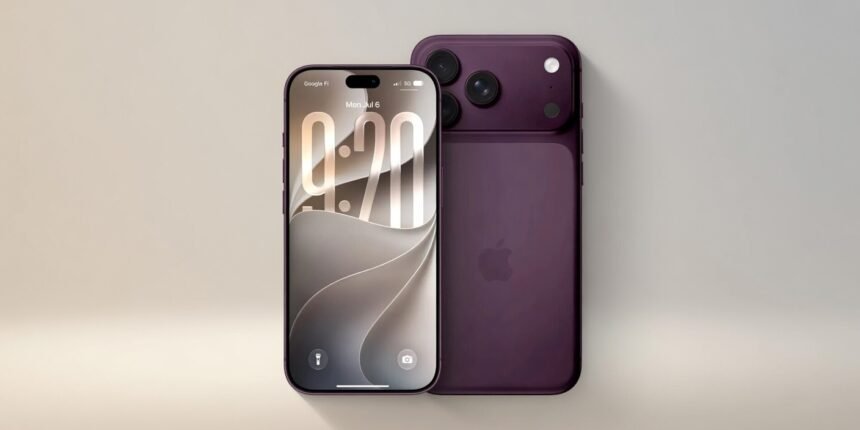

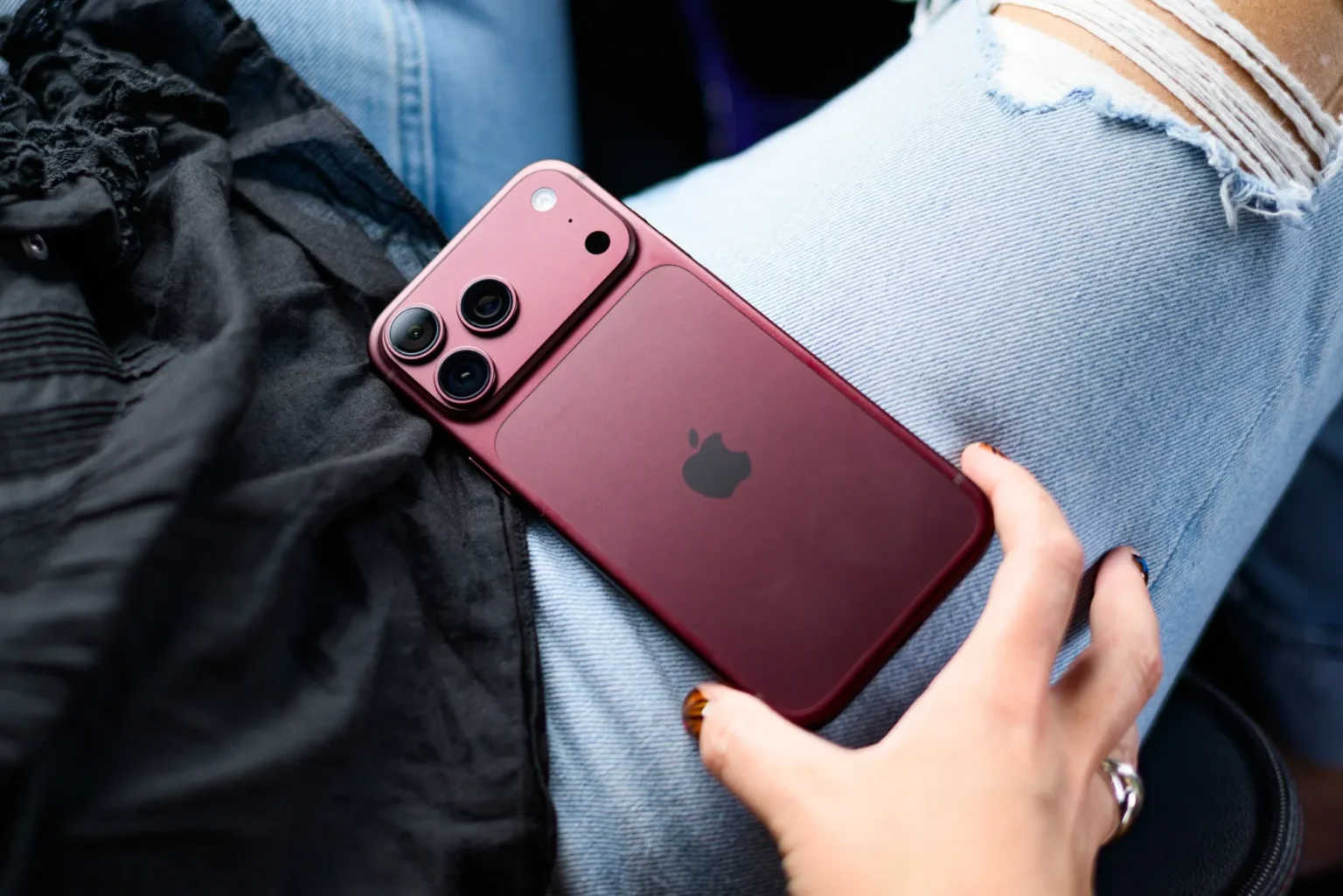


The iPhone 18 Pro may look familiar at first glance, but its most important improvements are happening beneath the surface. A new A20 Pro chip, a variable aperture camera, larger batteries, faster charging, and a smaller Dynamic Island could make the iPhone 18 Pro a more meaningful upgrade than its design suggests.
Apple’s latest Pro models are not always defined by dramatic visual changes. Often, the upgrades that matter most are the ones users notice after weeks or months of everyday use. Based on Apple’s stated specifications and current reporting, the iPhone 18 Pro appears to follow that pattern.
It is also worth separating confirmed information from interpretation. Some specifications are now presented as official features, while other details remain dependent on model, market, software updates, or future testing.
1. The A20 Pro Chip Could Change More Than Speed
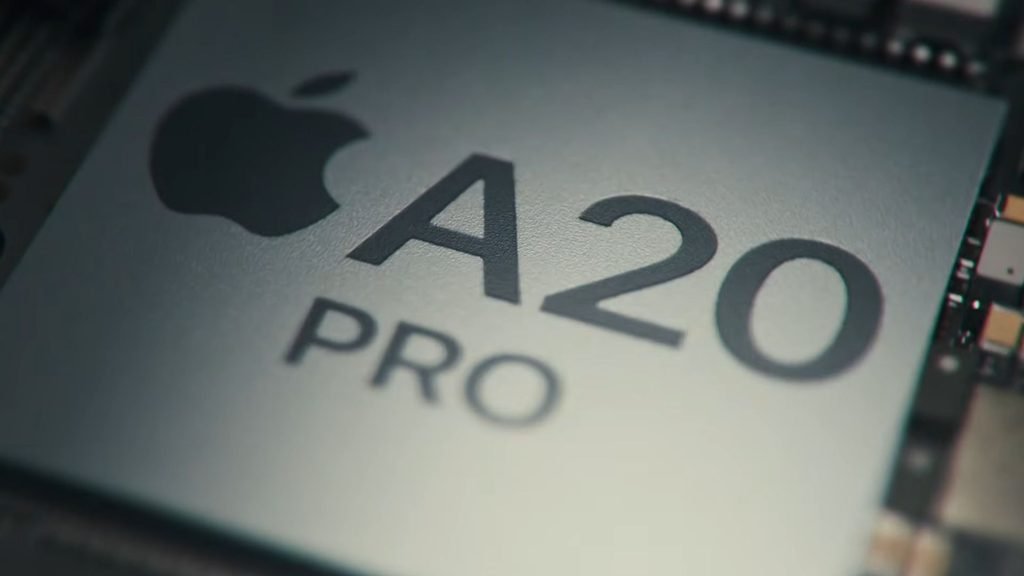
The biggest upgrade inside the iPhone 18 Pro may be its A20 Pro processor. Apple’s new chip is built using a 2nm manufacturing process and reportedly offers 50 percent more memory bandwidth than the previous A19 Pro. Its graphics performance is also said to be up to 40 percent faster.
Those figures matter, but raw benchmark numbers are not the whole story. The more noticeable benefit could be consistency. The iPhone 18 Pro should be better equipped to maintain high performance during demanding games, 4K video editing, camera processing, and multitasking.
The A20 Pro could also make Apple Intelligence features more capable. The chip reportedly uses a dual 16-core Neural Engine, giving it twice the AI processing capacity of the A19 Pro. That may help the iPhone 18 Pro handle demanding on-device tasks more quickly and with less reliance on cloud processing.
For regular users, this could mean faster photo editing, smoother voice features, more responsive generative tools, and better performance as Apple adds more AI capabilities to iOS. The real advantage is not simply that the iPhone 18 Pro is faster on launch day. It may remain responsive for longer as future software becomes more demanding.
2. The Main Camera Finally Gains a Variable Aperture
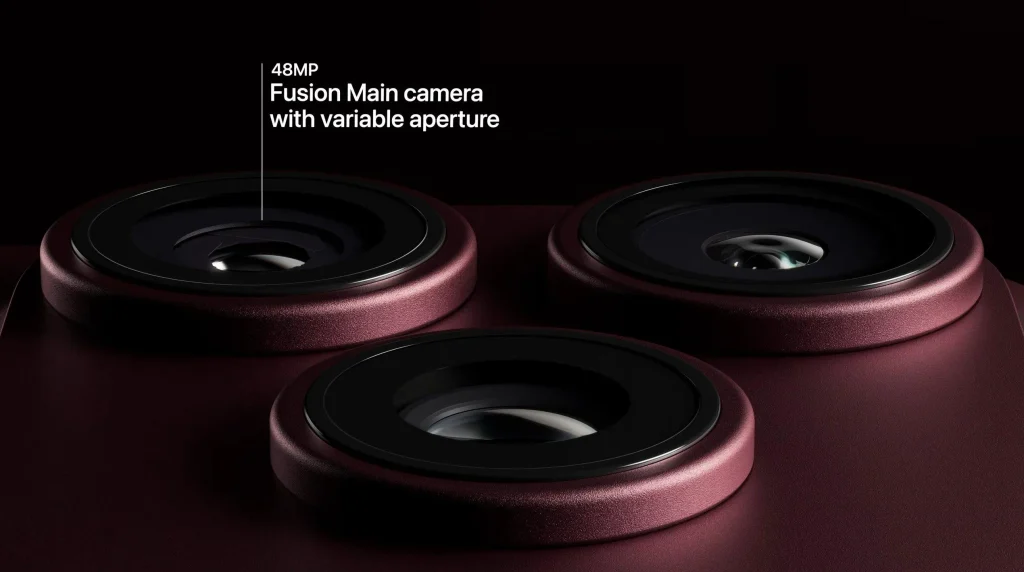
The iPhone 18 Pro’s camera system may deliver the most practical creative upgrade in years. The 48-megapixel Fusion Main camera introduces a six-blade variable aperture system, allowing the lens to move between f/1.48, f/1.8, f/2.8, and f/4.0.
Most smartphone cameras use a fixed aperture. Software can brighten an image, simulate background blur, or combine multiple frames, but it cannot physically change how much light enters the lens. The iPhone 18 Pro changes that equation by giving the main camera mechanical control over light and depth of field.
In low light, the camera can use a wider aperture to capture more light. In bright conditions, it can stop down to reduce excess light and produce a more controlled image. A smaller aperture can also make more of a scene appear sharp, which is useful for landscapes, architecture, food photography, and group shots.
The upgrade could be especially valuable for people who use an iPhone 18 Pro for content creation. Product photographers may gain more control over background separation, while video creators can adjust exposure without relying entirely on digital processing.
Apple is also adding Pro controls for aperture, white balance, and shutter speed. Manual ISO control is reportedly still absent, so this is not a replacement for a dedicated mirrorless camera. Even so, the iPhone 18 Pro should give experienced users substantially more control than previous models.
3. Battery Life Gets a Physical Boost
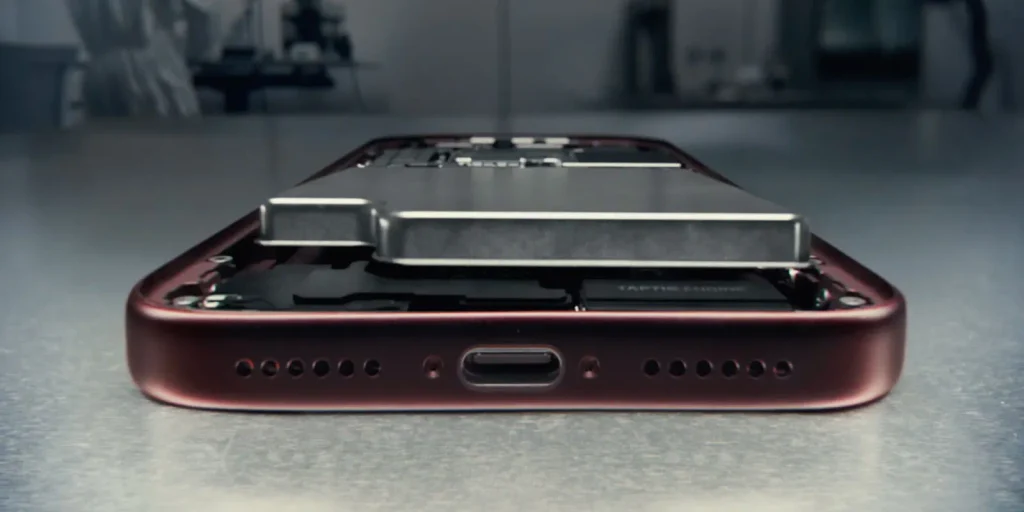
Battery improvements are often more useful than a thinner phone or a new color. The iPhone 18 Pro is reported to include a 4,288 mAh battery, while the iPhone 18 Pro Max uses a much larger 5,567 mAh battery.
Apple claims the iPhone 18 Pro Max can deliver up to 43 hours of video playback. Actual results will vary depending on brightness, mobile signal, gaming, camera use, and background activity, but the larger battery gives the phone more room to handle demanding usage.
This could make the iPhone 18 Pro Max particularly appealing to travelers, journalists, video creators, and anyone who spends long hours away from a charger. A larger battery also helps reduce the anxiety that comes with heavy camera use, navigation, hotspot sharing, and 5G connectivity.
The improvement is not just about lasting longer on a single charge. A larger battery may also help the iPhone 18 Pro age more gracefully. Batteries naturally lose capacity over time, so starting with a higher capacity can help preserve practical endurance after years of use.
The tradeoff is that the larger battery may contribute to a thicker body. That is a reasonable exchange for many users, especially if the iPhone 18 Pro delivers genuinely better endurance rather than merely maintaining the same battery life in a slimmer design.
4. Faster Charging Could Fix an Old iPhone Weakness
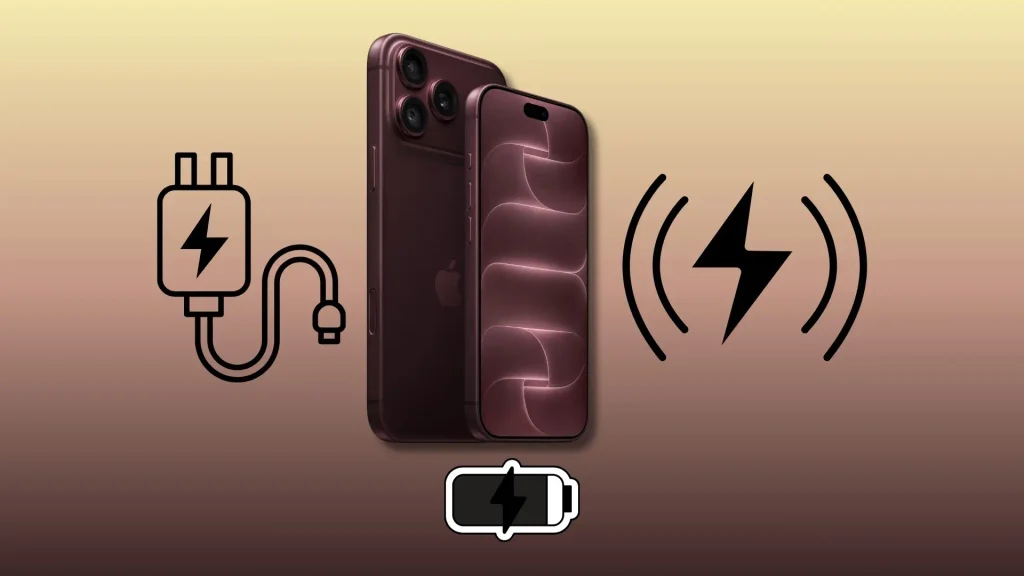
The iPhone 18 Pro also addresses one of Apple’s longstanding weaknesses: charging speed. Both Pro models reportedly support charging speeds of up to 60W and can reach 50 percent in approximately 15 minutes under Apple’s stated conditions.
That is a major quality-of-life improvement. A short charging session before leaving home could provide enough power for several hours of moderate use. For people who frequently forget to charge overnight, faster charging may be more useful than a small increase in all-day battery life.
However, users should pay attention to the charger. Reaching the highest charging speeds requires a USB PD 3.2 charger with AVS support. An older USB-C adapter may still charge the iPhone 18 Pro, but it may not deliver the maximum rate.
Charging speed also depends on factors such as temperature, battery level, cable quality, and whether the phone is being used while charging. The headline figure should therefore be viewed as a best-case result rather than a guarantee under every condition.
Even with those limitations, faster charging could make the iPhone 18 Pro feel more dependable in everyday life. A phone that recovers quickly from a low battery is easier to live with, particularly during travel or a busy workday.
5. The Smaller Dynamic Island Has a Hidden Hardware Story
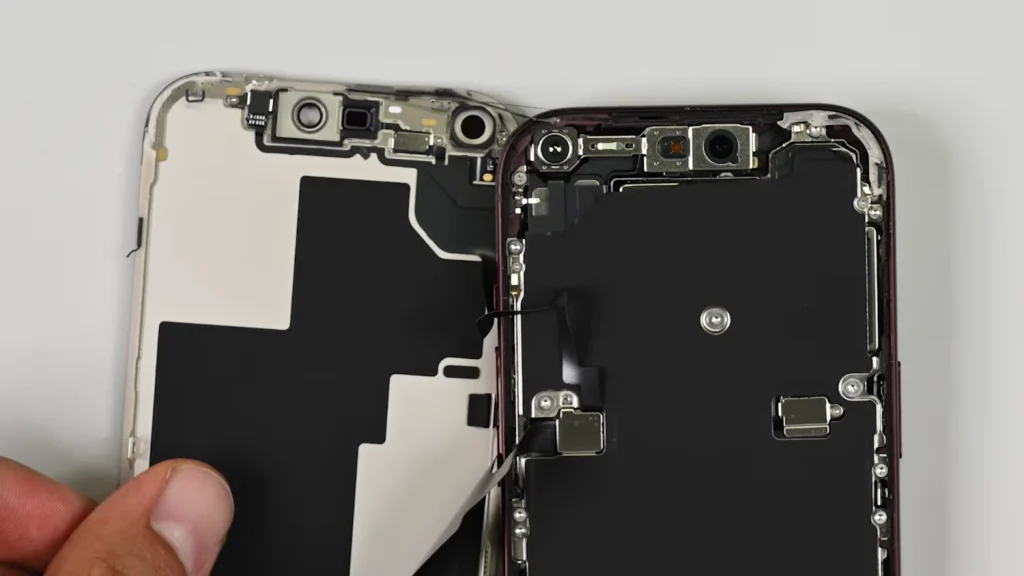
The reduced Dynamic Island is easy to dismiss as a cosmetic change, but it represents a significant engineering step. The iPhone 18 Pro reportedly moves part of the Face ID system beneath the display, including the infrared camera.
That allows Apple to reduce the visible cutout without removing Face ID functionality. The result is a cleaner screen, especially when watching films, editing videos, browsing websites, or playing games in landscape mode.
The smaller Dynamic Island also supports up to three Live Activities at once. That gives Apple more space to display information such as sports scores, delivery updates, timers, navigation details, or recording status.
The improvement may seem modest when viewed in a product photograph. In daily use, however, a smaller obstruction can make the iPhone 18 Pro’s display feel more open. It also shows that Apple is gradually moving toward more under-display technology rather than attempting a complete transition all at once.
This is not the same as a completely invisible camera system. The front-facing camera and other components still require visible space. Nevertheless, moving the infrared hardware behind the screen is a meaningful step that most users may not appreciate until they compare both phones side by side.
What These Upgrades Mean for Buyers
The iPhone 18 Pro is not a radical redesign. Its familiar exterior may cause some people to underestimate it, particularly if they focus only on the rear glass, camera plateau, or general shape.
The more important story is the combination of improvements. The A20 Pro chip targets performance and artificial intelligence. The variable aperture camera improves exposure and creative control. The larger battery targets endurance. Faster charging reduces downtime. The smaller Dynamic Island makes the display less intrusive.
Together, these changes affect the parts of a smartphone people use every day. The camera becomes more flexible, the processor more capable, the battery more reassuring, and the screen slightly cleaner.
That does not automatically make the iPhone 18 Pro a sensible upgrade for everyone. Owners of recent Pro models may not notice enough difference to justify the cost, especially if their current phone still performs well. The upgrade makes more sense for users coming from an older iPhone, people who rely heavily on cameras and video, and buyers who prioritize long battery life.
The price also deserves attention. The iPhone 18 Pro reportedly starts at $1,200 for 256GB, while the iPhone 18 Pro Max starts at $1,300. A 2TB iPhone 18 Pro Max can reach $2,400, placing it in the same general price territory as some MacBook Pro configurations.
For that reason, buyers should choose storage carefully and avoid paying for capacity they will not use. The iPhone 18 Pro’s hardware improvements are substantial, but value depends on how heavily the phone will be used.
My Personal Opinion
The iPhone 18 Pro is a good example of why smartphone upgrades cannot be judged by appearance alone. It may not deliver a dramatic redesign, but its internal improvements could have a larger effect on performance, photography, battery life, and everyday convenience than the exterior suggests.
The variable aperture camera and A20 Pro chip are likely to attract the most attention, while the larger battery and faster charging may become the features owners appreciate most over time. The smaller Dynamic Island is less transformative, but it improves the way the display feels and points toward Apple’s longer-term design direction.
For buyers upgrading from an older iPhone, the iPhone 18 Pro could represent a substantial step forward. For recent iPhone Pro owners, the decision will depend on whether better camera control, longer endurance, and faster charging justify the cost.