


Article Highlights
- Wildfire smoke can seep into homes through small gaps, vents, and door frames, even when windows stay shut
- A good air purifier with a HEPA filter makes a real difference in reducing indoor wildfire smoke particles
- Checking a wildfire smoke map or a Canadian wildfire smoke map regularly helps you plan before smoke arrives
- Simple habits like sealing gaps and switching your HVAC to recirculate mode reduce smoke exposure significantly
- Preparing a smoke-ready kit before fire season begins saves stress once the smell of smoke shows up outside
I live in a region where fire season is not a rare event anymore; it is something I plan around every year. The first time thick wildfire smoke rolled into my neighborhood, I remember opening my front door and being hit by that sharp, campfire-like smell, except it was not coming from anywhere nearby. It was drifting in from wildfires burning hundreds of miles away. That day taught me that wildfire smoke does not stay where it starts, and it does not politely stop at your doorstep either. Over the years, I have learned, sometimes the hard way, what actually works to keep wildfire smoke out of a home and what is mostly just noise.
This year alone, checking the news has felt like checking the weather. Canadian wildfires have been sending smoke drifting across the border into major cities, and air quality alerts have become common reading in the Midwest and Northeast. Watching a wildfire smoke map update throughout the day has become part of my morning routine during the worst weeks of summer, right alongside checking the actual weather forecast.
Why Wildfire Smoke Gets Indoors So Easily
A lot of people assume that if their windows and doors are closed, their home is protected from wildfire smoke. I used to think the same thing until I noticed the smell inside my own living room on a day when I had not opened a single window. Wildfire smoke is made up of extremely fine particles, and these particles are small enough to slip through gaps around door frames, window seals, mail slots, exhaust fans, and even electrical outlets.
Older homes are usually more vulnerable because the building materials were not designed with smoke sealing in mind. Newer homes with tighter construction tend to keep wildfire smoke out a bit better, but even a well-built house is not completely smoke-proof unless steps are taken to seal it properly.
Start by Checking a Wildfire Smoke Map
Before doing anything else, I always recommend checking a wildfire smoke map. This has become one of my most-used tools during fire season. A wildfire smoke map shows where smoke plumes are traveling, how dense they are, and which direction the wind is pushing them. If you live anywhere near the northern United States or across Canada, keeping an eye on a Canadian wildfire smoke map can give you a real head start.
When smoke from Canadian wildfires begins moving south, air quality can shift from good to hazardous within a matter of hours. I have watched a Canada wildfire smoke map show a plume moving steadily toward my area, which gave me time to close up the house, switch on air purifiers, and prepare before the smell and haze actually reached us. Knowing what is coming makes a huge difference compared to reacting after the smoke has already settled over the neighborhood.
Sealing Your Home Against Wildfire Smoke
Once I understood how sneaky wildfire smoke can be, I went through my home, room by room, looking for weak points. Here is what actually helped.
Check Doors and Windows First
Weatherstripping around doors and windows is one of the simplest fixes. If you can see daylight through the edges of a closed door, wildfire smoke can get through there, too. Adding a draft stopper along the bottom of exterior doors blocks a surprising amount of smoke from creeping in.
Seal Unused Vents and Fans
Bathroom exhaust fans, kitchen range hoods, and dryer vents are direct pathways to the outside air. During heavy wildfire smoke days, I keep these turned off and, when possible, covered. Running an exhaust fan while the smoke is heavy outside can actually pull more polluted air into the house.
Use Painter’s Tape on Gaps
This sounds basic, but painter’s tape over window tracks and rarely used doors is genuinely effective for short-term smoke events. It is removable, affordable, and takes only a few minutes to apply.
Upgrade Your Indoor Air Quality
Sealing gaps only goes so far. The air already inside your home needs to be cleaned too, especially during a multi-day wildfire smoke event.
Invest in a HEPA Air Purifier
A HEPA air purifier is one of the best investments I have made for fire season. These devices trap the tiny particles that make up wildfire smoke, and running one in the bedroom overnight noticeably improves how the air smells and feels by morning. Look for a purifier sized appropriately for your room, since an undersized unit will struggle during heavy smoke days.
Switch Your HVAC to Recirculate Mode
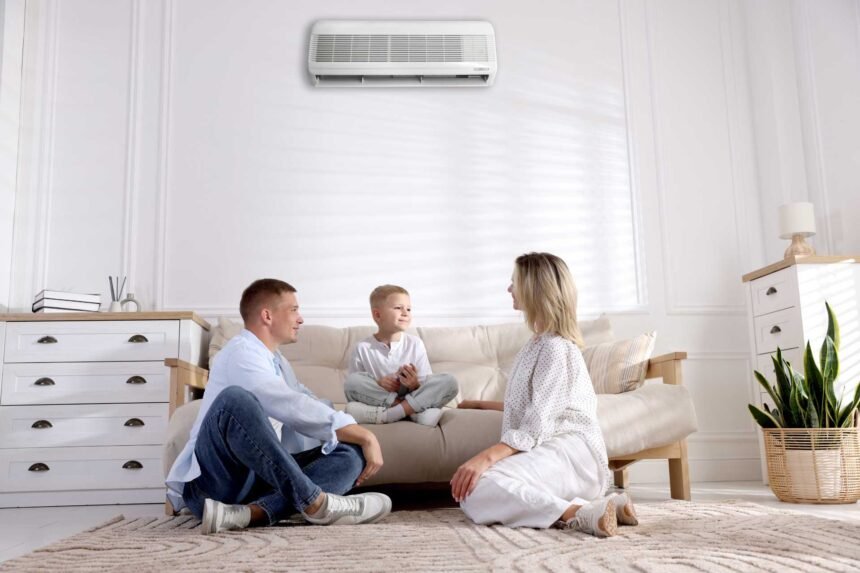
If your home has central air conditioning, switching the system to recirculate mode instead of pulling in fresh outdoor air keeps wildfire smoke from being drawn directly into your ductwork. Many people forget this setting exists, and it is one of the easiest changes to make.
Change Filters More Often
During fire season, I check and replace my HVAC filters more frequently than usual. A clogged filter loaded with smoke particles is far less effective and can even reduce airflow throughout the house.
Build a Wildfire Smoke Ready Kit
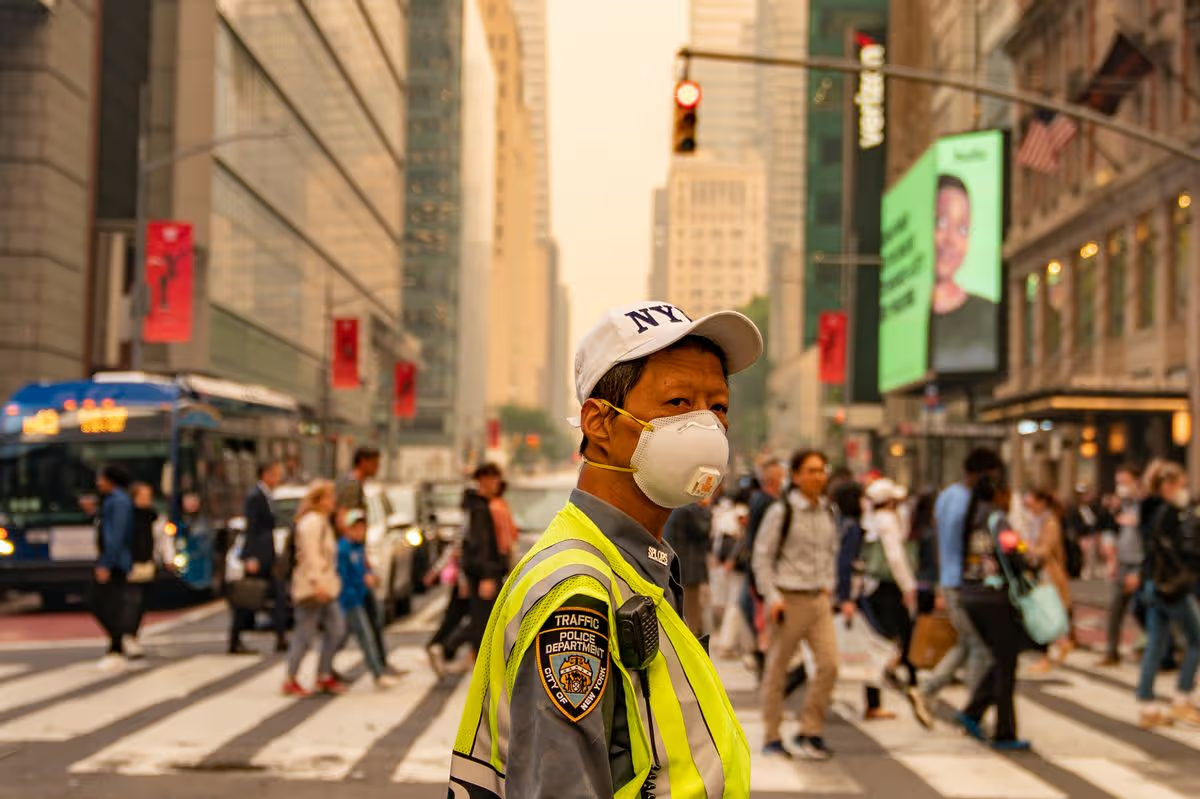
I keep a small bin in my closet specifically for smoke season. It includes a box of N95 masks for anyone who has to step outside, spare air purifier filters, painter’s tape, and a printed list of local air quality resources. Having everything in one place means I am not scrambling to find supplies once the smoke from Canadian wildfires actually reaches my area.
Watch the Air Quality Index, Not Just the Sky
Some days the sky looks relatively clear, yet the air quality index is still unhealthy because of fine wildfire smoke particles that are hard to see. I have learned not to trust my eyes alone. Checking a reliable air quality index alongside a Canadian wildfire smoke map gives a much clearer picture of what is actually happening outdoors before deciding whether it is safe to open a window or head outside.
Protect Vulnerable Household Members
Children, older adults, and anyone with asthma or other respiratory conditions are far more sensitive to wildfire smoke. On heavy smoke days, I keep outdoor time to a minimum for the more vulnerable members of my household and make sure the cleanest room in the house, usually the one with the air purifier running, is where they spend most of their time.
A Few Habits That Made the Biggest Difference
Looking back, a handful of small habits made the largest impact for me. Checking the wildfire smoke map each morning during fire season, sealing obvious gaps before smoke ever arrives, running a proper air purifier instead of relying on an open window, and switching the HVAC system to recirculate mode all worked together rather than any single fix on its own. Fire season is not something any of us can control, but how prepared our homes are for wildfire smoke is something we absolutely can.
At Paradox Spotlight, our goal is to share practical, real-world guidance that helps readers handle situations like this with a little less stress and a lot more preparation.
Smoke Expert’s Opinion
Wildfire smoke has become a regular part of summer for many of us, whether the fires are burning nearby or drifting in from Canada wildfires hundreds of miles away. Taking a few practical steps, from sealing gaps to running a proper air purifier and staying informed through a wildfire smoke map, can make the difference between a genuinely stressful week and a manageable one. Fire season will keep returning, but a well-prepared home makes it far easier to breathe through it.
Note: Air quality conditions, fire locations, and smoke forecasts change quickly during fire season. Always check official sources such as your local air quality agency or a live wildfire smoke map for the most current information before making decisions for your household.