


Solar heaters can work well in snowbound countries, but only if the system is designed for freezing temperatures, low winter sun, and snow accumulation. The best choice for most homes is an indirect solar water heater with evacuated tube collectors, glycol antifreeze, steep mounting, and a dependable backup heater.
Why Solar Heaters for Winter Need Special Design
Winter creates three problems for solar heaters: shorter days, a lower sun angle, and snow sitting on the collector. A heater that performs well in a sunny, mild climate can disappoint badly in Canada, Scandinavia, northern China, or mountain regions unless it is built for those conditions.
The good news is that solar thermal collectors do not need warm air to produce heat. They harvest solar radiation, including diffuse light on cloudy days, and transfer that energy to water or air. The real challenge is keeping the collected heat from escaping and preventing the working fluid from freezing.
The Best Types of Solar Heaters for Winter
1: Evacuated tube solar water heaters
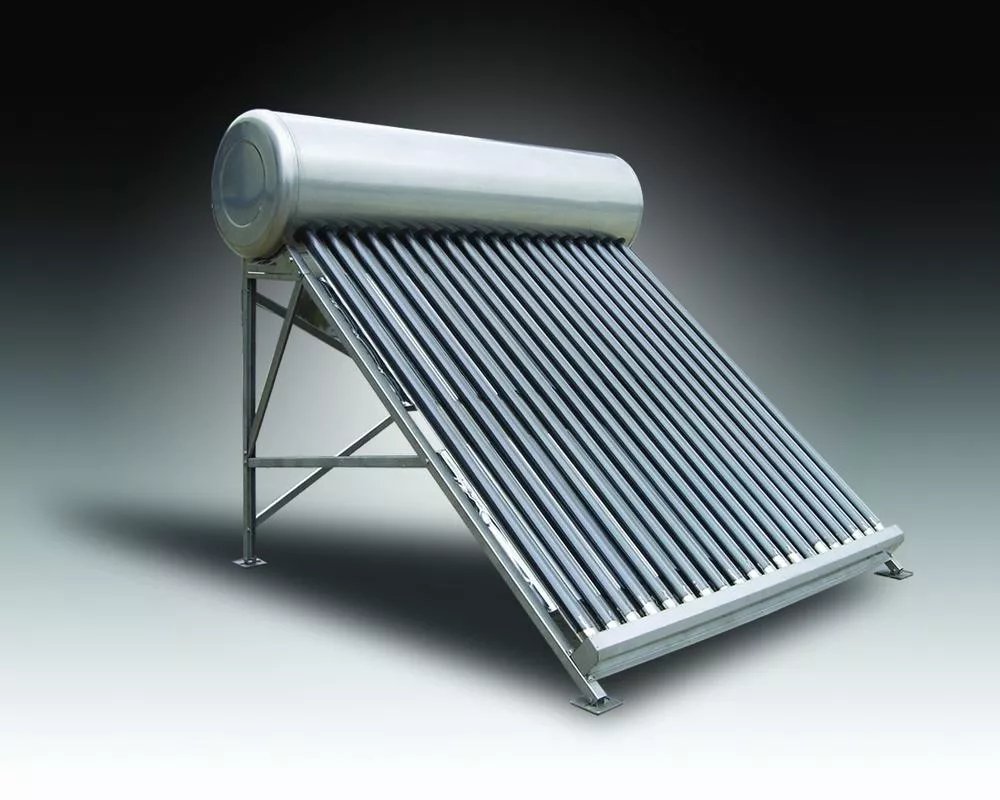
For heavy snowfall and sustained subzero temperatures, evacuated tube solar heaters for winter are usually the strongest option. Each glass tube contains a vacuum layer that sharply reduces heat loss, allowing the collector to retain heat even when the outside air is far below freezing.
These systems are especially useful for domestic hot water because they can preheat water on clear winter days and reduce the workload on a boiler, heat pump, or electric water heater. In cold climates, evacuated tubes can deliver roughly 15 to 30 percent more energy than comparable flat plate collectors during the coldest months.
Their weakness is snow. Because evacuated tubes are highly insulated, they release less waste heat onto their surface, so snow may melt more slowly than it does on a flat plate collector. A steep installation angle and spacing between tubes help snow slide off rather than build up.
2: Indirect glycol solar water heaters
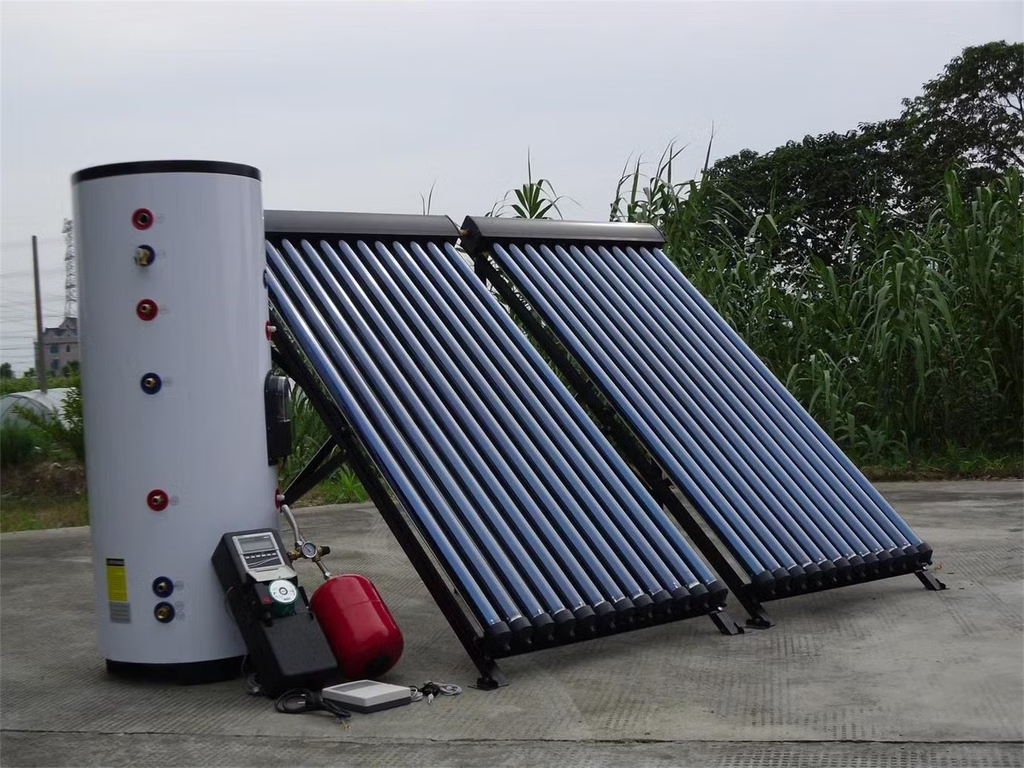
In any country with regular hard freezes, the safest solar heaters for winter use an indirect closed loop. A nonfreezing propylene glycol solution circulates through the collector, carries heat to a heat exchanger, and then transfers that heat to the household water supply.
This design matters because a direct circulation system can freeze in outdoor piping. Freeze damage can crack collectors, burst pipes, and turn an affordable upgrade into an expensive repair. For snowy regions, I would treat glycol protection or a properly engineered drainback design as nonnegotiable.
3: Flat plate solar water heaters
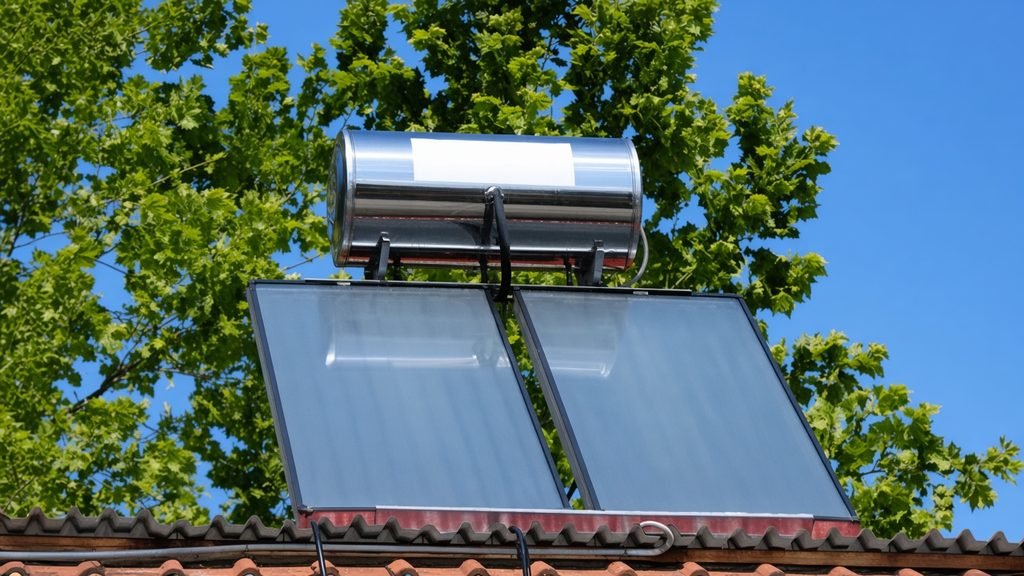
Flat plate collectors are durable, simpler, and often less expensive. They can still be good solar heaters for winter in regions where freezes are moderate, and snowfall is not constant. Their glass surface can warm slightly and shed snow more readily than evacuated tubes.
However, flat plates lose more heat to cold air, so their output drops more sharply in severe cold and wind. If you choose one for a snowy climate, insist on high-quality insulation, freeze protection, and a steep tilt.
4: Solar Air Heaters
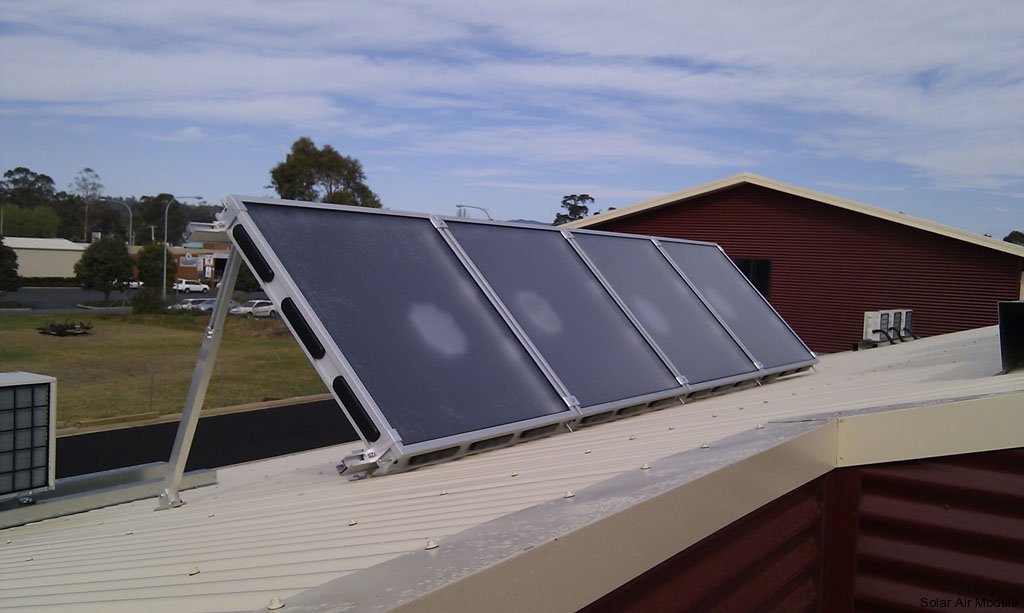
Solar air heaters are a practical supplemental option for rooms, workshops, cabins, garages, and greenhouses. They draw cold air through a dark absorber chamber, warm it, and push it back into the space with a fan or natural convection.
They are not a replacement for a central heating system during long snowstorms or polar nights. Still, a well-sealed solar air heater can take the chill out of a south-facing room during sunny winter hours and reduce conventional heating use.
Installation Choices That Make the Difference
Placement matters more in winter than in summer. A collector should face true south in the Northern Hemisphere, avoid shading from roofs, chimneys, and evergreen trees, and sit high enough to catch reflected light from snow. Snow can actually increase available reflected sunlight, but only if the collector is not buried under it.
A steeper angle is one of the simplest upgrades for snowy locations. While a shallow angle may maximize summer production, a 45 to 60 degree tilt is generally better for low winter sun and self-clearing snow; some very snowy installations use angles closer to 60 to 70 degrees.
Keep the storage tank indoors or in a heated mechanical space. Outdoor tanks and poorly insulated pipe runs lose heat quickly, undermining even the best solar heaters for winter.
Maintenance During Snow Season
Solar heaters for winter need less attention than many people expect, but snow country owners should still follow a simple routine. After storms, check whether snow has covered the collector, inspect seals and mounting hardware, and make sure vents, gutters, and air intakes are not blocked.
Use a soft, roof-safe brush only when it is safe to do so. Never climb an icy roof or pour hot water onto a frozen collector, because thermal shock can damage glass and seals. A properly tilted system will often clear itself once sunlight returns.
Have the glycol level, pressure, pump operation, and controller settings checked annually. Glycol degrades over time, and a system that was protected when installed may not remain protected years later.
Are Solar Heaters Worth It in Snowy Countries?
Yes, if you view them as a high-efficiency preheating and supplemental heating system rather than a total replacement for winter heating. A correctly specified solar water heater can reduce boiler or electric heater runtime, while a solar air heater can lower the load on a furnace during sunny periods.
The best value usually comes from pairing evacuated tube collectors with an indirect glycol loop, steep mounting, excellent insulation, and a reliable backup source. That combination makes solar heaters for winter practical even in places where snow lies on the ground for months.