


Article Highlights
- Apple is reportedly preparing iPhone price hikes as memory and chip costs rise.
- The iPhone 18 Pro could become significantly more expensive than the iPhone 17 Pro.
- Analysts have offered different estimates, ranging from about $100 to as much as $300.
- Apple has already increased prices across several other major product categories.
- The final iPhone pricing remains unconfirmed until Apple makes its official announcement.
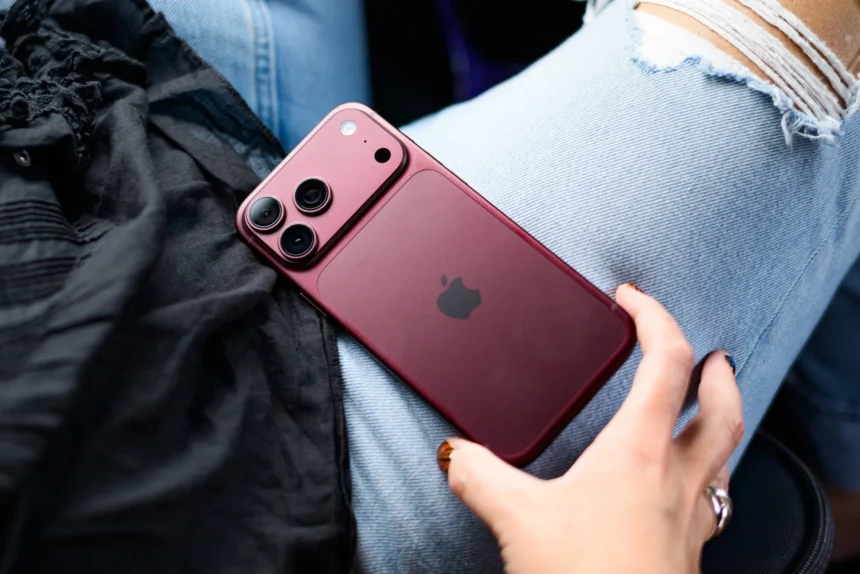
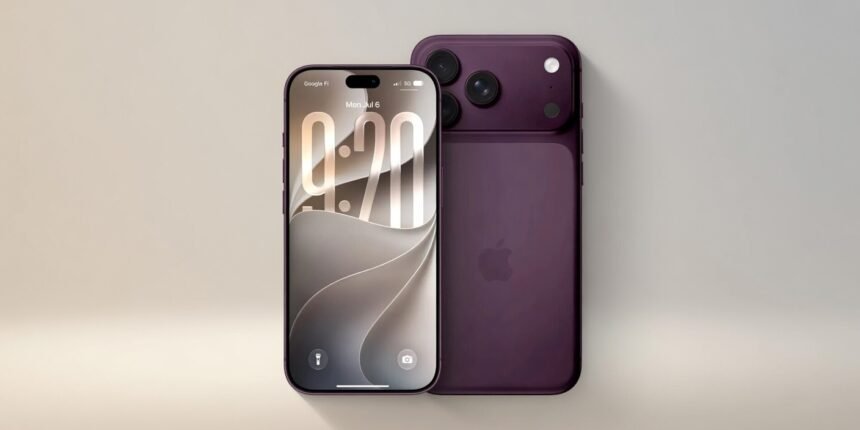
Apple customers may soon have another reason to think twice before upgrading. After raising prices across much of its hardware lineup earlier this year, Apple is now reportedly preparing iPhone price hikes as the company faces sharply higher memory, storage, and chip costs.
The important word here is reportedly. Apple has not officially announced new iPhone prices for the upcoming generation. However, several reports and analyst estimates now point in the same direction, making iPhone price hikes look increasingly plausible for the iPhone 18 Pro generation.
According to Bloomberg’s Mark Gurman, Apple is preparing to increase iPhone prices after watching competitors such as Samsung and Google raise prices on their latest smartphones. One scenario discussed would put the iPhone 18 Pro at around $1,199, compared with the current $1,099 starting price of the iPhone 17 Pro.
That would be painful enough. But some analyst estimates have suggested considerably larger increases.
Why Are iPhone Price Hikes Suddenly Happening
The biggest issue appears to be memory. The smartphone industry is dealing with unusually strong demand for memory components, partly because artificial intelligence infrastructure is consuming enormous quantities of advanced memory. That pressure is affecting the cost of DRAM and NAND storage used inside smartphones.
Apple CEO Tim Cook already acknowledged in June that rising memory and storage costs were becoming difficult for the company to absorb. Cook said Apple had been trying to shield customers from higher costs but that the situation had become unsustainable.
That is important because it means iPhone price hikes are not simply based on a random rumor about Apple’s pricing strategy. There is a genuine cost pressure behind the speculation.
Apple has historically had considerable flexibility when component prices rise because of its enormous scale and strong margins. But when several expensive components become more costly at the same time, absorbing everything becomes harder.
The iPhone 18 Pro Could Be Particularly Expensive.
The strongest concerns about iPhone price hikes currently surround the iPhone 18 Pro and iPhone 18 Pro Max. TrendForce estimates that the bill of materials for the 256GB iPhone 18 Pro could be about 38 percent higher than that of the comparable iPhone 17 Pro. Memory is reportedly becoming a much larger portion of the overall component cost.
Another Counterpoint Research analysis estimated that the component cost of a 1TB iPhone 18 Pro Max could increase by nearly $300 compared with the equivalent iPhone 17 Pro Max. Higher NAND and DRAM prices, along with the expected move to a 2nm processor, are among the factors behind the increase.
These numbers should not be interpreted as saying Apple will automatically increase the retail price by the same amount. A phone’s component bill is only one part of its overall economics. Apple also has manufacturing, research, software, distribution, marketing, retail, warranty, and other expenses. More importantly, Apple can choose to absorb some additional cost rather than pass all of it to buyers. That is why the exact size of the iPhone price hikes remains uncertain.
How Much Could the iPhone 18 Pro Cost
This is where things become particularly interesting. Several estimates have circulated a $250 to $300 increase for the iPhone 18 Pro models. Analyst Jeff Pu has reportedly predicted increases in that range, which could put the iPhone 18 Pro somewhere between $1,349 and $1,399 if the current $1,099 starting point is used as the comparison.
Other reporting suggests Apple may choose something closer to a $100 increase. Bloomberg’s Mark Gurman has suggested that a $100 increase would be a relatively modest response considering the severity of the component cost problem. Under that scenario, the iPhone 18 Pro would start at approximately $1,199.
So there is currently no reliable reason to say that the iPhone 18 Pro will definitely cost $1,399. The sensible conclusion is that iPhone price hikes appear increasingly likely, while the exact amount remains unknown.
Apple Has Already Raised Prices on Other Products
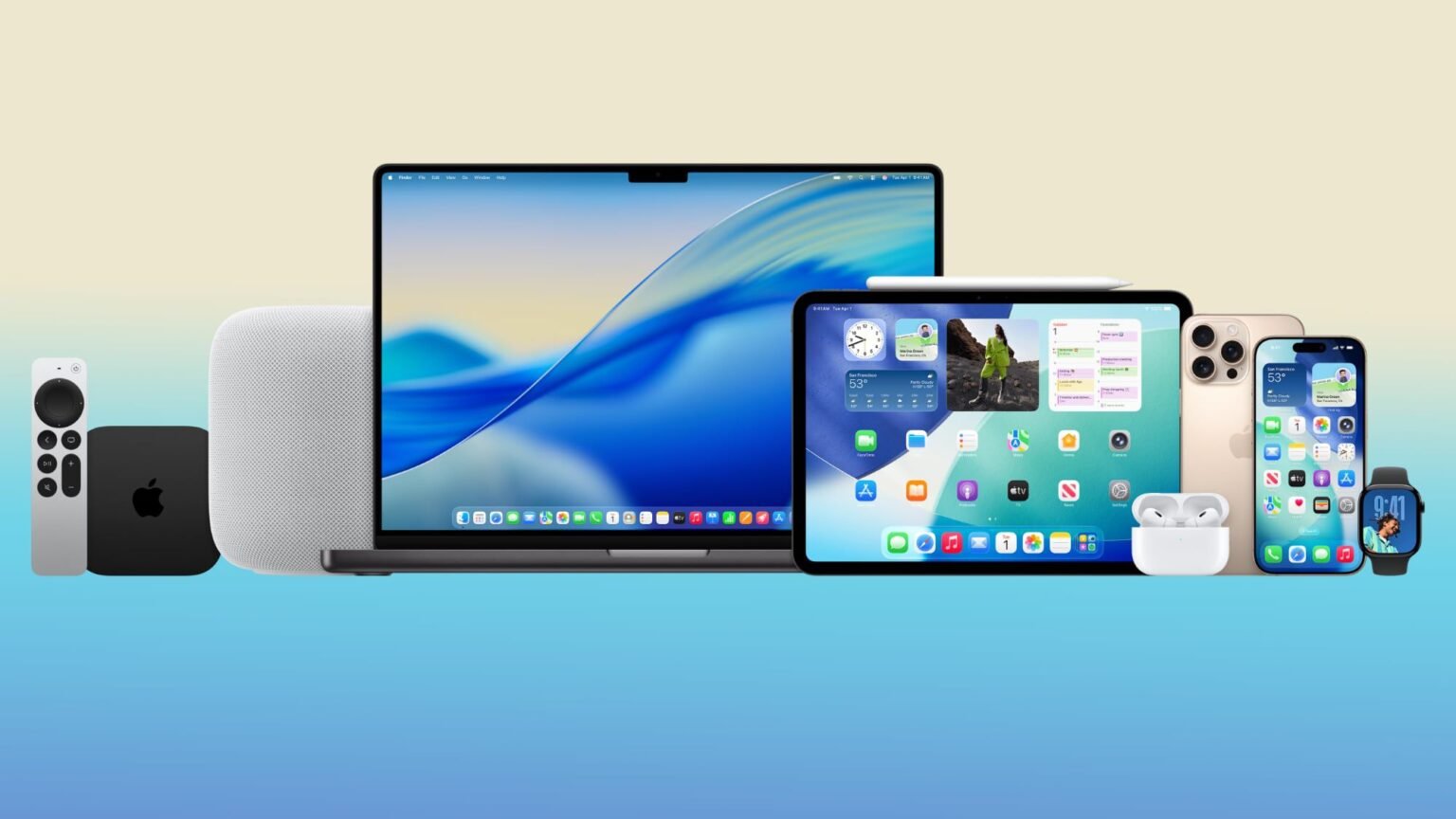
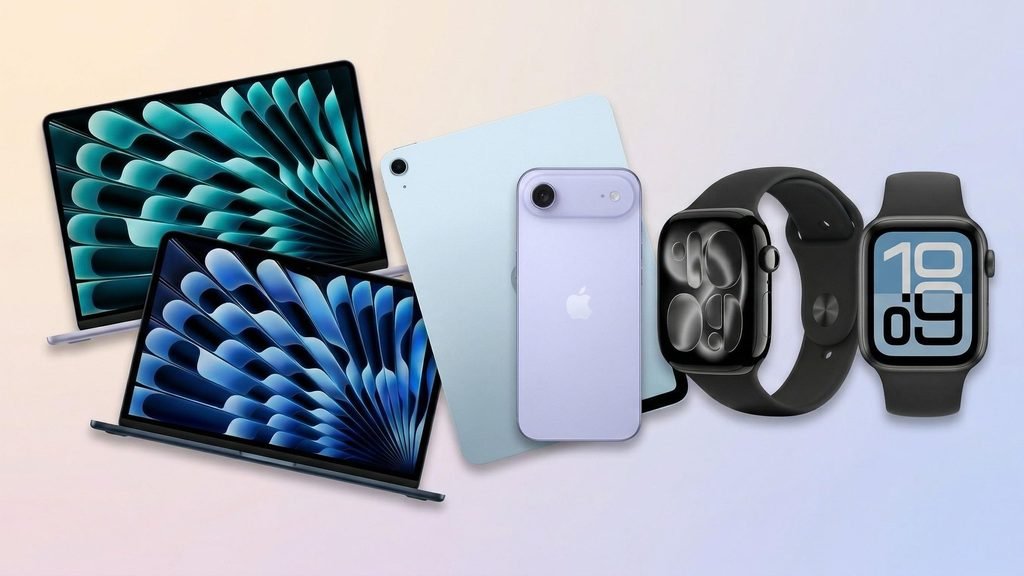
Another reason the current iPhone price hike rumors deserve attention is Apple’s recent pricing behavior. Earlier this year, Apple increased prices on a wide range of products, including Macs and iPads. The company also increased prices for products such as Apple TV, HomePod, and Vision Pro, while the iPhone, Apple Watch, and AirPods were initially spared.
That decision made the iPhone look less like an exception and more like a product that had simply been waiting for its turn. From a business perspective, this makes sense. Apple does not have to raise the price of every product at the same time. It can evaluate customer demand, competitor pricing, component availability, and profit margins before deciding where additional costs should be passed along.
The possibility of iPhone price hikes therefore fits into a broader change in Apple’s hardware pricing strategy rather than appearing completely out of nowhere.
Why Memory Costs Matter So Much
It is easy to look at a smartphone and assume the processor or display is the most important factor in its price. Memory is becoming a different story. TrendForce estimates indicate that memory could account for a dramatically larger share of the iPhone 18 Pro’s component costs than it did previously. According to the analysis, memory represented around 10 percent of component costs a year earlier but could account for roughly 34 percent in the third quarter of 2026.
That is a remarkable change. It also explains why iPhone price hikes can become difficult for Apple to avoid even if many other components become cheaper or remain stable.
Apple can negotiate aggressively with suppliers. It can redesign components. It can change storage configurations. It can reduce other expenses.
But if a critical component suddenly becomes substantially more expensive across the entire industry, there are limits to how much cost the manufacturer can eliminate.
The New 2nm Chip Could Add More Pressure.
Memory is not the only concern. The iPhone 18 Pro is expected to use a newer generation processor manufactured using a 2nm process. Moving to a more advanced manufacturing technology can increase production costs, particularly while a new process is ramping up and yields are improving.
Counterpoint’s analysis identified the expected 2nm chip and its associated packaging as another major contributor to higher component costs.
This creates an unusual combination for Apple. The company may be facing higher costs for memory at the same time it is introducing more expensive processor technology. That makes iPhone price hikes easier to understand from a business perspective, even if consumers are unlikely to be happy about them.
Apple Could Still Absorb Some of the Increase
There is an important counterargument. Apple does not necessarily need to pass every additional dollar of production cost directly to customers.
The company has enormous purchasing power and has previously absorbed higher component expenses to protect demand. Earlier reports even suggested Apple initially intended to keep the iPhone 18 starting price stable despite rising memory costs.
That possibility has not disappeared. Apple knows that smartphones are different from some of its other products. Customers may postpone an upgrade if the price suddenly jumps by several hundred dollars.
A person who planned to spend $1,099 might tolerate a $100 increase. A jump toward $1,399 is a much different psychological barrier. This is one reason I would treat the most dramatic iPhone price hike predictions cautiously.
Samsung and Google Give Apple Another Clue
Apple is also watching what happens elsewhere in the smartphone market. According to reporting cited by MacRumors, Samsung and Google have increased prices on their latest smartphones by roughly $100. Gurman believes Apple has been paying close attention to those moves.
This matters because Apple does not price the iPhone in isolation. If major competitors raise prices, Apple has more room to raise its own prices without creating such a large gap between flagship phones.
That could make moderate iPhone price hikes easier for Apple to justify. If Samsung, Google and Apple all move upward together, consumers may have fewer obvious premium alternatives at their previous price points.
What About the Standard iPhone 18
There is another complication.
Current reports suggest Apple could change its traditional release schedule. The iPhone 18 Pro models are expected to arrive around September 2026, while the standard iPhone 18 and some other models may not arrive until 2027.
That means we should not assume every iPhone model will receive the same increase. The Pro models may be affected first because they are the devices expected to receive the newest processor technology and other expensive hardware upgrades.
This could also allow Apple to maintain a lower entry point for customers who do not want to spend premium money. For consumers, the most important question may therefore be less about whether iPhone price hikes happen and more about which models are affected.
What Could This Mean for iPhone Buyers
If you are considering an iPhone upgrade, there is no need to panic. The rumored iPhone price hikes do not mean that every existing iPhone suddenly becomes more expensive.
Apple has not officially announced the final pricing for the upcoming generation, and reports disagree about how large the increases could be.
If you already own a recent iPhone and it works well, waiting for Apple’s official announcement is perfectly reasonable.
If you were already planning to buy an iPhone 17, however, it may be worth watching prices carefully. Existing models can become more attractive when a new generation becomes significantly more expensive.
There is also the used market. Whenever Apple launches a new iPhone generation, older models can experience changes in resale prices. Recent reporting has suggested that some used iPhones can lose significant value around a new launch, although the exact amount varies considerably by model, condition, and market.
Should You Buy an iPhone Before the Price Increase?
There is no universal answer. If you need a new phone now, waiting several months to save a possible $100 or $200 may not be worthwhile.
If your current iPhone is working perfectly, waiting is probably the safer choice because you will have more information once Apple officially announces its new products and prices.
Buyers should also remember that Apple frequently offers trade-in options, while retailers can discount older models after a new generation arrives.
So even if iPhone price hikes become official, the effective price paid by a particular customer may not increase by the full headline amount.
The Bigger Question Is How Far Apple Can Push Pricing
Apple has one of the strongest customer bases in the technology industry, but that does not mean consumers have unlimited patience. There is a psychological difference between paying slightly more for a better phone and paying several hundred dollars more for a phone that performs only modestly better in everyday use.
For someone who uses an iPhone for messaging, photography, social media and streaming, a major price increase could make upgrading less attractive.
For professionals who need the newest cameras, processing power, or storage, the calculation may be different. This is where iPhone price hikes could create an interesting split between different types of customers.
Some buyers will accept the higher price. Others may keep their existing phones for another year. And some may move toward older iPhone models or competing Android devices.
What Apple Needs to Get Right
If Apple raises prices significantly, the company will need to give customers a convincing reason to spend more. A faster chip alone may not be enough for someone using an iPhone 17 Pro.
Better battery efficiency, camera improvements, meaningful software features, and genuinely useful hardware upgrades would make a higher price easier to understand.
The same principle applies to storage. If storage costs are rising dramatically, Apple could potentially restructure storage tiers in ways that make the overall pricing strategy less painful.
The challenge is finding a balance between protecting margins and protecting demand. That is ultimately the central issue behind the iPhone price hikes debate.
What We Know and What We Do Not
At this point, several facts are reasonably clear. Apple has acknowledged that higher memory and storage costs are putting pressure on its business.
Apple has already raised prices on many other products. Analysts and industry researchers expect significantly higher component costs for upcoming iPhone Pro models.
Multiple reports expect the iPhone 18 Pro models to cost more than their predecessors. What remains uncertain is the final retail price. Apple has not officially confirmed the size or timing of the iPhone price hikes discussed in these reports.
The $1,199 figure is one possibility. The $1,349 to $1,399 range is another reported estimate. Neither should be treated as confirmed Apple pricing.
Why These iPhone Price Hikes Could Matter Beyond Apple
The consequences may extend beyond the iPhone. Apple is one of the most influential smartphone manufacturers in the world. If it successfully increases flagship pricing, competitors may have greater freedom to do the same.
At the same time, component suppliers could continue prioritizing the enormous demand coming from artificial intelligence infrastructure. That creates a broader industry problem.
Smartphones are not necessarily becoming dramatically more expensive because manufacturers suddenly decided consumers should pay more. Some of the pressure is coming from the cost of building increasingly sophisticated devices in a market where critical components are competing with other industries for supply. Still, customers ultimately see the retail price. And that is why iPhone price hikes matter.
Paradox Technology’s Take
From my perspective, the most reasonable interpretation is that some increase is becoming increasingly difficult to dismiss, but the most extreme predictions should still be treated as estimates rather than facts. Apple has strong reasons to raise prices. It also has strong reasons not to raise them too much.
The company has a huge installed customer base, but those customers are not immune to price fatigue. A moderate increase may be accepted. A dramatic increase could encourage people to keep their current phones longer.
The final answer will come when Apple announces the new iPhone lineup and its official pricing. Until then, the safest conclusion is simple. iPhone price hikes look increasingly likely, particularly for the iPhone 18 Pro models, but nobody outside Apple can yet say with certainty exactly how much consumers will pay.
For buyers, that means there is no reason to make a rushed decision based solely on rumors. Watch the official announcement, compare the new prices with discounted previous generation models, and consider whether the new features genuinely justify the additional cost.
The era of endlessly improving iPhones at roughly predictable prices may be getting harder to maintain. Whether Apple can convince customers that the next generation is worth the extra money will be far more important than the size of the price increase itself.