


Article Highlights
- The Google Pixel 11 Pro Fold is significantly thinner and lighter than its predecessor.
- Its 8-inch internal display and 6.5-inch outer display make multitasking more practical.
- Google brings a new 48-megapixel main camera and enhanced AI photography features.
- Samsung still leads in several hardware and foldable productivity areas.
- The $1,899 starting price makes the Google Pixel 11 Pro Fold a premium and carefully considered purchase.
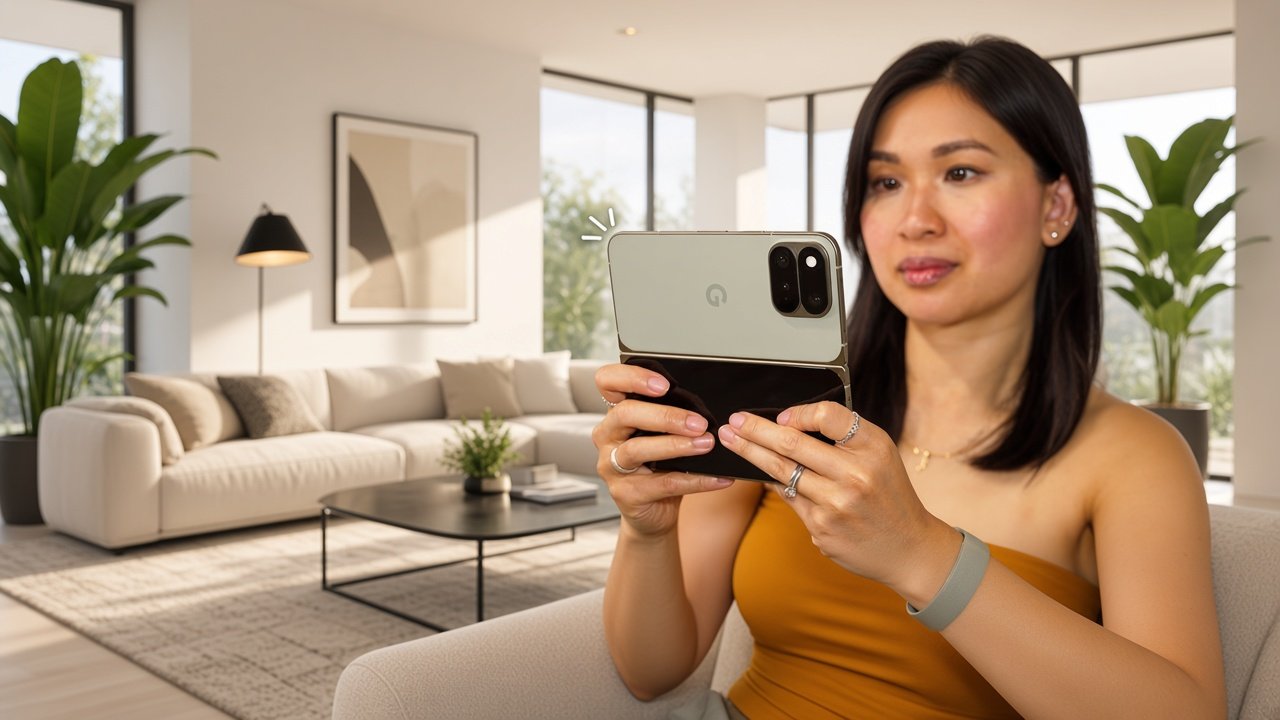
Google has finally made its foldable phone feel like a serious alternative to Samsung. The Google Pixel 11 Pro Fold is not a perfect device, and Samsung still has some important advantages, but Google’s latest foldable closes the gap in ways that matter in everyday use.
The biggest improvement is not a flashy artificial intelligence feature or a new camera trick. It is the physical design. The Google Pixel 11 Pro Fold is thinner and lighter than the previous generation, making it substantially easier to carry and use. Google says it is almost 10 percent lighter and about 1 mm thinner than the Pixel 10 Pro Fold.
That matters because foldable phones have always had one obvious weakness. You get a large screen, but you also have to carry more hardware in your pocket. Samsung has spent years refining that formula, and the latest Galaxy Z Fold models remain extremely competitive.
The Google Pixel 11 Pro Fold does not completely overturn that advantage. What it does is make the comparison much closer.
Google Pixel 11 Pro Fold Design Is Finally Competitive
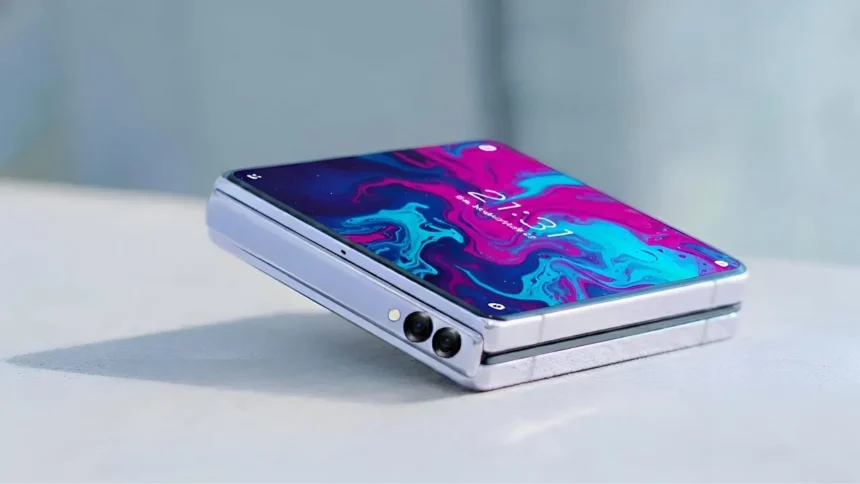
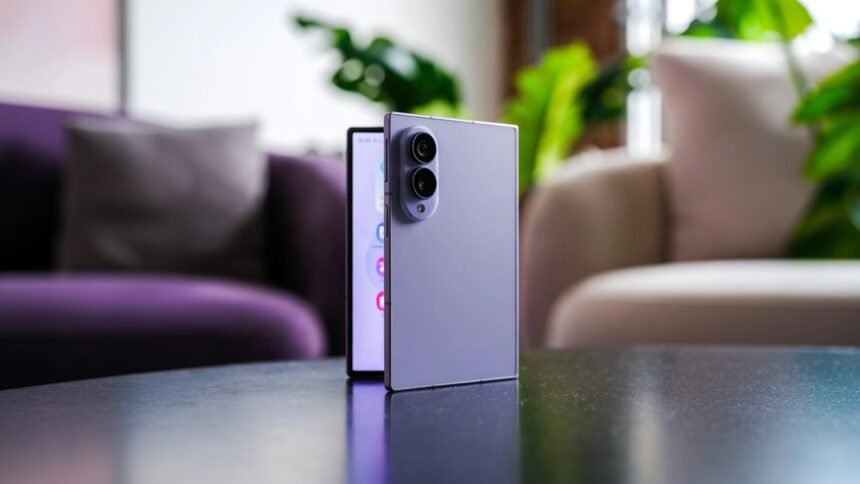
The first thing I would notice with the Google Pixel 11 Pro Fold is its improved physical design. Google has reduced the folded thickness to about 10.1 mm and the unfolded thickness to about 5.0 mm, while the weight is around 239 grams.
That is a meaningful improvement over the previous generation. A foldable that feels noticeably slimmer is easier to carry throughout the day. It also feels less like you are carrying two phones joined together. This is particularly important for people who use their foldable as their primary smartphone rather than as an occasional productivity device.
Samsung still has the edge in thinness with its latest premium foldable hardware. The Galaxy Z Fold 8 Ultra reportedly reaches approximately 4.1 mm when unfolded.
So Google has not won the design battle. It has, however, made the Google Pixel 11 Pro Fold much more credible in that battle.
The Displays Are One of Its Strongest Features
The Google Pixel 11 Pro Fold has a 6.5-inch external display and an 8-inch internal folding display. Both use OLED technology and support refresh rates up to 120 Hz. Google lists a peak brightness of up to 3,600 nits for both displays.
The outer display has a 1080 by 2342 resolution, while the internal display uses a 2076 by 2152 resolution. In practical terms, that means the Google Pixel 11 Pro Fold is designed to work like a normal smartphone when closed and become a compact tablet when opened.
That sounds obvious for a foldable, but the proportions and brightness make a difference. The outer screen is large enough for messaging, browsing, maps, and social media without immediately forcing you to unfold the phone. When you need more space, the 8-inch internal display becomes useful for reading documents, editing photos, watching video, or running multiple applications.
Google also says the new displays are 20 percent brighter than those on the previous generation. For outdoor use, that is arguably more important than another minor resolution increase.
Google Pixel 11 Pro Fold Gets a More Serious Camera System
Photography has traditionally been one of Google’s strongest areas, so expectations are naturally high for the Google Pixel 11 Pro Fold. Google has introduced a new 48-megapixel main camera and a telephoto camera capable of up to 30 times Super Zoom. The company also added features including Magic Capture and Camera Looks.
The camera system is versatile, but buyers should keep expectations realistic. Foldable phones still face physical limitations compared with the largest conventional flagship smartphones. Samsung’s premium models can devote more space to their camera hardware, and independent testing suggests Samsung can still have an advantage in overall camera quality.
The Google Pixel 11 Pro Fold therefore makes more sense for someone who wants strong computational photography combined with the flexibility of a foldable than for someone who wants the absolute best smartphone camera. For everyday photography, that distinction is important.
Tensor G6 Brings a Different Kind of Performance
The Google Pixel 11 Pro Fold uses Google’s Tensor G6 processor and comes with 16 GB of RAM. It also runs Android 17. Google’s approach is different from Samsung’s.
Instead of making raw processing power the central selling point, Google puts considerable emphasis on artificial intelligence and software integration. That includes Gemini-based features and new tools designed around photography, communication, and multitasking.
The result is a phone that feels designed around Google’s software ecosystem rather than simply being a powerful piece of hardware.
This is also where potential buyers should be careful. If your priority is demanding gaming performance, benchmark scores, or maximum sustained processing power, Samsung’s flagship foldable hardware may remain the safer choice. But if you care more about Google’s Android experience and AI tools, the Google Pixel 11 Pro Fold becomes considerably more interesting.
Multitasking Is Where the Foldable Format Makes Sense
A foldable should not simply be a regular phone that becomes bigger.
The Google Pixel 11 Pro Fold attempts to make better use of its internal display through improved multitasking features. One of the more interesting additions is App Handles, which has received positive attention from early users and reviewers for making multitasking easier.
This is the kind of improvement I consider more valuable than cosmetic changes. Imagine researching a hotel while keeping a browser open alongside a notes application and/or reading an email while preparing a response and/or watching a video while checking information in another application.
An 8-inch display gives these tasks more breathing room. That is the real reason to buy a foldable.
Google Pixel 11 Pro Fold Versus Samsung
The biggest question is whether the Google Pixel 11 Pro Fold is finally better than Samsung’s foldable.
The honest answer is no.
But it is now close enough that the decision depends heavily on what you value. Samsung still has advantages in hardware refinement, thinness, and the maturity of its foldable ecosystem. The Galaxy Z Fold 8 series is also extremely strong for productivity and multitasking. Independent comparisons continue to give Samsung an advantage in several areas.
Google counters with a cleaner Android experience, Google’s AI features, strong camera processing, bright displays, and a considerably improved physical design. The Google Pixel 11 Pro Fold is therefore not a Samsung replacement for everyone.
It is a genuine alternative.
That is an important distinction.
The Price Is a Serious Problem
The Google Pixel 11 Pro Fold starts at $1,899 in the United States. That is $400 higher than the launch price of the previous Pixel 10 Pro Fold, which started at $1,499.
That price increase makes the purchasing decision much harder. The Google Pixel 11 Pro Fold offers substantial improvements, particularly in design and durability, but the higher price puts it directly into a market where Samsung already has a highly developed foldable lineup.
For buyers in Pakistan, availability and local pricing are also important considerations. Current local listings suggest the phone is not officially launched in Pakistan, and imported units can carry a significant premium.
That means warranty support should be considered before buying one through an unofficial importer.
Durability Looks More Reassuring
Google has worked on durability for this generation. The Google Pixel 11 Pro Fold has an IP68 rating for dust and water resistance, and Google describes the new model as its most durable foldable yet. The company has also redesigned the hinge and strengthened the overall construction.
Still, an IP rating does not make a foldable indestructible. The internal flexible screen remains more delicate than the glass display on a conventional smartphone. Buyers should avoid pressing hard on the folding screen, using sharp objects around it, or assuming that water resistance eliminates every risk. For a phone costing nearly two thousand dollars, a good protective case is sensible.
Battery Life Is Not Completely Straightforward
One surprising decision is the battery capacity. The Google Pixel 11 Pro Fold has a battery capacity of around 4,750 mAh according to published specifications, compared with 5,015 mAh in the previous model.
On paper, that looks like a downgrade. However, battery capacity alone does not determine battery life. Processor efficiency, display management, software optimization, and usage patterns all matter.
The more important point for buyers is that you should not assume the biggest battery number automatically means the longest runtime.
If you regularly use the internal screen for video, gaming, or navigation, battery consumption will naturally be higher than when using the outer screen for lighter tasks.
Who Should Buy the Google Pixel 11 Pro Fold
The Google Pixel 11 Pro Fold makes the most sense for several types of buyers.
Pixel fans who want a foldable
If you already like Google’s software and camera experience, the Google Pixel 11 Pro Fold is the natural upgrade into the foldable category.
Productivity-focused users
The large internal display is useful for multitasking, documents, email, and web research.
People who want Google’s AI features
Gemini and Google’s broader software ecosystem are major reasons to choose this phone over a competing foldable.
Users upgrading from an older foldable
Someone coming from an older generation may notice the improved weight, brightness, durability, and software more than someone upgrading from last year’s model.
Who Should Skip It
The Google Pixel 11 Pro Fold is not the obvious choice for everyone. You may want Samsung instead if you prioritize the thinnest possible design, advanced multitasking, gaming performance, or Samsung’s mature foldable ecosystem.
You should also think twice if you already own a Pixel 10 Pro Fold. The improvements are useful, but the price increase makes the upgrade harder to justify. For buyers who want the best camera possible, a conventional flagship may still provide better hardware.
Practical Buying Advice
Before buying the Google Pixel 11 Pro Fold, I would check five things.
- First, compare the actual local price rather than relying on the US launch price.
- Second, confirm warranty coverage because foldable repairs can be expensive.
- Third, decide whether you will genuinely use the 8-inch display. If you mostly use the phone closed, you may be paying for functionality you rarely need. Fourth, compare Samsung’s current foldable offers rather than comparing only specifications.
Finally, consider storage carefully. The phone is available with 256 GB and 512 GB configurations according to published specifications.
For readers following the wider technology market, the Google Pixel 11 Pro Fold is also an interesting sign of how competitive premium foldables have become. At Paradox Technology, this is exactly the kind of development worth watching because competition between Google and Samsung should ultimately benefit buyers.
Google Pixel 11 Pro Fold Frequently Asked Questions
Is the Google Pixel 11 Pro Fold worth buying?
The Google Pixel 11 Pro Fold is worth considering if you want Google’s software, AI features, strong cameras, and a large foldable display. Samsung remains a stronger choice in several hardware and productivity areas.
How much does the Google Pixel 11 Pro Fold cost?
The Google Pixel 11 Pro Fold starts at $1,899 in the United States.
How big is the Google Pixel 11 Pro Fold screen?
The Google Pixel 11 Pro Fold has a 6.5-inch outer display and an 8-inch internal folding display. Both support refresh rates up to 120 Hz.
Is the Google Pixel 11 Pro Fold waterproof?
The Google Pixel 11 Pro Fold has an IP68 dust and water resistance rating. However, it should not be treated as completely waterproof, and Google’s own documentation makes clear that the rating does not mean the device is immune to water or dust damage.
Is the Google Pixel 11 Pro Fold thinner than the previous model?
Yes. Google says the Google Pixel 11 Pro Fold is almost 10 percent lighter and about 1 mm thinner than the Pixel 10 Pro Fold.
Does the Google Pixel 11 Pro Fold have a good camera?
The Google Pixel 11 Pro Fold has a new 48-megapixel main camera and telephoto hardware with up to 30 times Super Zoom. It is a capable camera phone, although independent testing indicates that Samsung and some conventional flagship phones can still have advantages in certain areas of image quality.
Is Samsung still better than the Google Pixel 11 Pro Fold?
For many buyers, yes. Samsung still has advantages in hardware refinement, thinness, and foldable productivity. But the Google Pixel 11 Pro Fold is now close enough that Google’s software, AI features, and camera experience can make it the better choice for particular users.
My Personal Opinion
The Google Pixel 11 Pro Fold does not dethrone Samsung, but that is not really the most important story. The important story is that Google has finally produced a foldable that deserves to be compared seriously with Samsung’s best.
The slimmer body, lower weight, brighter displays, improved durability, Tensor G6 processor, and stronger software experience make the Google Pixel 11 Pro Fold a much more convincing product than its predecessor.
Samsung still has the advantage in several areas, and the $1,899 starting price makes Google’s phone difficult to call an outright bargain. The smaller battery capacity and continued hardware advantages of Samsung also deserve consideration.
But the Google Pixel 11 Pro Fold has changed the conversation. For the first time, choosing between Google and Samsung in the premium foldable market is less about picking the obvious winner and more about deciding which philosophy fits your everyday use. That is exactly the kind of competition the foldable market needed.