
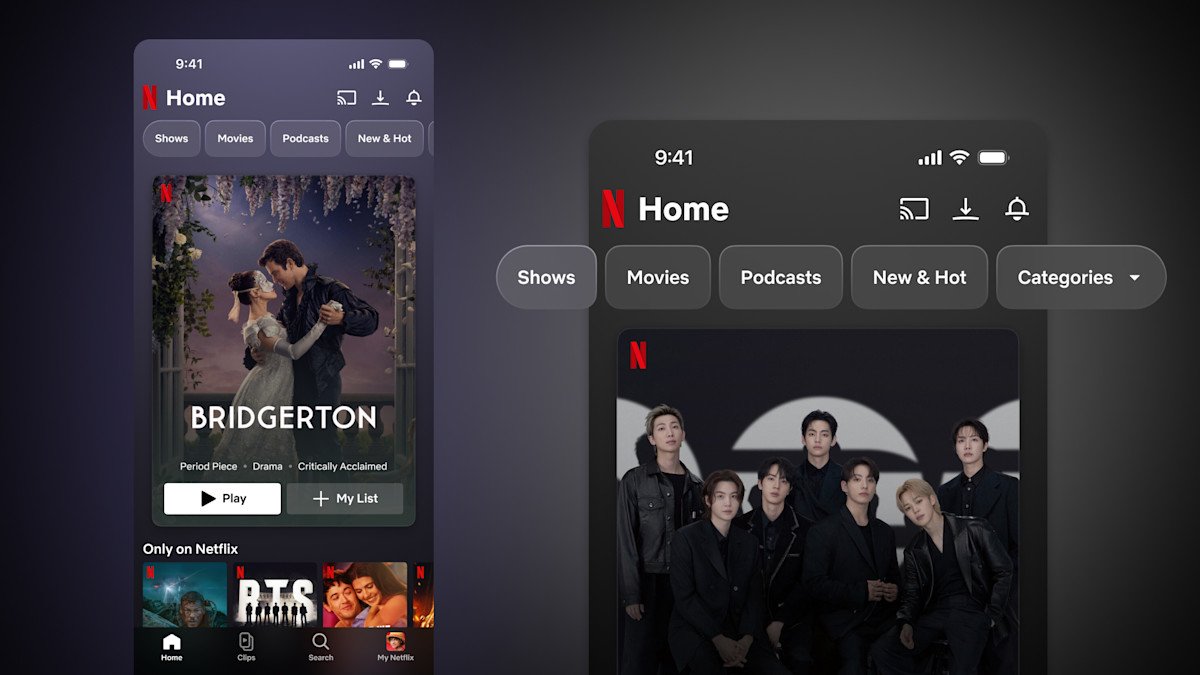


Netflix allows subscribers to download movies and TV shows directly to their phones, tablets, and computers. At first glance, this seems like an ordinary download. You select a movie, tap the download button, wait for it to finish, and watch it later without an internet connection.
But something unusual happens when you try to find that downloaded movie in your phone’s storage. You cannot locate a normal video file, copy it to another device, or easily share it with someone else. Even screen recording may produce a black screen instead of the movie.
This is not a technical accident or a limitation of your phone. It results from a sophisticated digital rights management system designed to protect copyrighted content.
The technology behind this protection is commonly called Digital Rights Management, or DRM. Netflix combines DRM with encryption, secure playback mechanisms, application security, and device-level protections to control how you access and view its content.
Understanding Netflix Screen Recording Technology requires looking beyond the Netflix application itself. Real protection involves several layers working together, from when a movie is downloaded to when its frames appear on your screen.
What Is Netflix Screen Recording Technology?
Netflix Screen Recording Technology refers to the combination of digital rights management, video encryption, secure playback, and operating system security features that prevent users from copying, recording, or redistributing protected video content.
The central technology is Digital Rights Management, commonly known as DRM. It allows Netflix and other streaming platforms to control how licensed movies and television shows are accessed and played.
Think of DRM as a digital lock around a movie. You can download the movie, open it, and watch it whenever you want within the permitted conditions. However, you cannot simply take the downloaded content and use it like an ordinary MP4 or MKV video file.
Netflix Screen Recording Technology protects both the downloaded content and the playback process. Even when the video is stored on your device, it remains encrypted. Your phone doesn’t get unrestricted access to the original movie in a format any media player can open.
This distinction is important. Downloading a movie does not mean owning a copy of that movie. It means you have permission to watch an encrypted version through an authorized app.
Why Can’t You Find Downloaded Netflix Movies in Your Phone’s Storage?
This is probably the most interesting part of the entire system.
When you download a Netflix movie, the application saves the necessary video data on your device. Naturally, you might expect to find it in your Downloads folder, Gallery, File Manager, or somewhere inside your phone’s internal storage.
But you will not find a normal movie file there.
Netflix generally stores downloaded content in application-controlled storage rather than exposing it as a regular video file. The Netflix app encrypts and manages the downloaded data.
On Android devices, applications have private storage areas that other apps normally can’t access. This means your regular file manager cannot simply browse through Netflix’s protected application data.
On iPhones and iPads, the application sandbox provides similar separation. Apps operate within their own restricted environments, limiting access to other applications’ private files.
Netflix Screen Recording Technology adds another layer through encryption and digital licenses. Even if someone could inspect some of the stored data, that would not automatically allow them to play the movie.
The downloaded content is not a conventional video file waiting to be discovered. It is protected media data that requires the appropriate application, decryption keys, and playback authorization.
Netflix also uses this approach for practical reasons. If Netflix stored downloaded movies as ordinary MP4 files, subscribers could easily copy them, upload them to file-sharing websites, or distribute them through messaging applications.
By keeping downloads inside its controlled environment, Netflix makes unauthorised distribution much harder.
Digital Rights Management (DRM) Technology
Digital Rights Management underpins Netflix’s screen recording technology.
DRM is not exclusive to Netflix. Streaming services, online movie platforms, digital music services, and other businesses that distribute copyrighted content use it widely.
Its purpose is straightforward. It controls how digital content is accessed, copied, displayed, and used.
When Netflix prepares a movie, it processes and encrypts the video content. Encryption converts readable media data into protected information that cannot be played normally without the correct decryption process.
The application must obtain authorization to play the content. This authorization comes through a digital license that contains the information needed to access the protected media.
The process generally involves several steps.
First, Netflix delivers encrypted video data to the device. The application then communicates with the appropriate DRM system to request playback authorization. The license system verifies the request and provides the necessary cryptographic information. A compatible playback environment uses that information to decrypt the content and display the movie.
Netflix Screen Recording Technology therefore doesn’t rely on hiding a movie file alone. Its real strength comes from controlling the entire process through which encrypted content becomes viewable.
Without the required authorization, the downloaded data remains unusable as a normal movie.
What Is Widevine, FairPlay, and PlayReady Technology?
One reason Netflix can operate across different devices is that DRM systems are designed for different operating systems and hardware environments.
Three important technologies in the wider streaming industry are Google Widevine, Apple FairPlay Streaming, and Microsoft PlayReady.
Google Widevine
<PRIVATE_PERSON>Google Widevine</PRIVATE_PERSON> is Google’s digital rights management technology. It is widely used on Android devices, Chrome-based platforms, smart televisions, and other supported streaming environments.
Netflix supports Widevine on compatible Android devices.
Widevine has different security levels, with L1 offering hardware-backed protection and L3 relying on a less secure software-based environment.
This distinction affects video quality. Netflix explains that Android devices generally need Widevine L1 certification to stream in HD. Devices using Widevine L3 may be limited to standard definition playback.
The important point is that Widevine can use a device’s trusted hardware environment to protect encryption keys and sensitive parts of the playback process.
This makes unauthorised access to decrypted video harder.
Apple FairPlay Streaming
<PRIVATE_PERSON>Apple FairPlay Streaming</PRIVATE_PERSON> is Apple’s content protection technology for video delivered through HTTP Live Streaming.
It protects video through encryption and secure key exchange on Apple platforms.
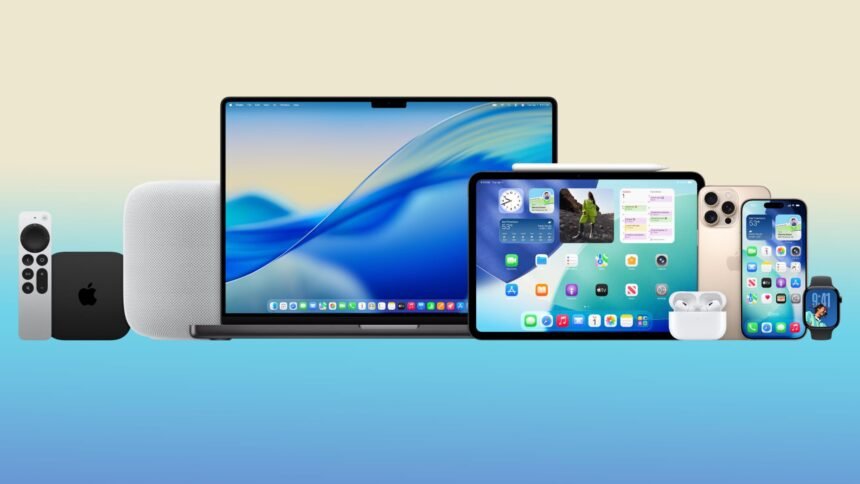
FairPlay is particularly relevant to understanding why screen recordings of protected video can show a black screen on an iPhone, iPad, or Mac using supported playback environments.
Apple’s developer documentation explains that FairPlay protected video is automatically excluded from certain screen capture methods, including iOS screen recording and QuickTime Player capture.
This means the screen recording tool may capture the application interface while leaving the protected video area black.
Netflix Screen Recording Technology benefits from this type of platform-level protection when protected content is played through compatible Apple environments.
Microsoft PlayReady
<PRIVATE_PERSON>Microsoft PlayReady</PRIVATE_PERSON> is another established DRM technology designed to protect premium digital media.
It supports encrypted content delivery, license management, and protected playback across compatible devices and platforms.
PlayReady is used in the wider streaming ecosystem, particularly in Microsoft-based environments and connected television devices.
Netflix does not publicly document every internal DRM configuration used across every device. The exact protection system depends on the platform, application, and supported playback environment.
These technologies share the same basic objective. They ensure that only authorizedauthorised devices and applications can access protected video.
How Netflix Prevents Screen Recording
Now comes the question most people ask.
If Netflix can display a movie on your screen, why can’t your phone record it?
The answer is that displaying protected video and capturing protected video are two different operations.
When you watch a movie, the Netflix application and your device’s protected playback system work together to display the decrypted video through an authorised output path.
A screen recording application, however, attempts to capture the visual information being displayed.
Netflix Screen Recording Technology is designed to prevent protected video from being included in that captured output.
On Android, one relevant mechanism is a security feature called FLAG_SECURE.
This Android window flag tells the operating system that certain content should not appear in screenshots or on non-secure displays.
When an application uses this protection, Android can prevent screenshots and screen recording tools from capturing the protected window. Depending on the device and implementation, the result may be a black screen or an unavailable capture.
Apple uses a different approach. FairPlay Streaming protects video content during supported screen capture operations.
When you record a protected video using certain iOS recording methods, the video area is blacked out even though other parts of the screen may remain visible.
This is why you may be able to record the Netflix interface, subtitles in some situations, or other visible elements while the actual movie remains hidden.
However, it’s inaccurate to say every Netflix screen recording attempt is blocked the same way on every device. Protection depends on the operating system, DRM implementation, hardware capabilities, and playback environment.
Netflix Screen Recording Technology is a combination of security mechanisms rather than a single universal screen-recording switch.
How Encryption Protects Netflix Downloads
Screen recording protection is only one part of the system. Encryption protects the movie before and during playback.
Imagine downloading a movie that contains several gigabytes of video data. If Netflix stored that information in an ordinary video format, anyone with access to the file could potentially play or copy it.
Encryption changes this situation.
Before Netflix delivers protected video to your device, it encrypts it using cryptographic keys. The downloaded data is therefore not immediately readable as ordinary video.
When you press Play, the Netflix application requests the necessary authorisation from the DRM system. If the request is approved, the playback environment obtains access to the required decryption information.
The protected media can then be decrypted for playback without making an unrestricted video file available to the user.
In more secure implementations, sensitive cryptographic operations take place inside a trusted execution environment or another hardware-protected component.
A Trusted Execution Environment is an isolated area of a device’s processor designed to handle sensitive operations separately from the normal operating system environment.
This helps protect encryption keys and other important security information from unauthorised applications.
Netflix Screen Recording Technology uses the broader principles of encrypted media playback to reduce the chances of someone extracting a usable copy of a movie.
The result is a controlled experience. You can watch the movie, but you don’t get unrestricted access to the underlying content.
How Netflix Uses Digital Licenses to Control Downloads
Have you ever downloaded a Netflix movie and found it expired after a while?
This is another example of DRM in action.
Netflix downloads are not permanent purchases. They are temporary offline viewing permissions governed by content licensing agreements and technical restrictions.
When you download a movie, the app obtains the information needed to play it offline. This includes protected media data and the associated license information.
That license can contain restrictions such as an expiration period or other usage conditions.
For example, some downloads may remain available for a limited period. Others may expire after playback begins or when the licensing conditions require renewal.
Netflix also requires users to remain signed in to access downloaded content offline.
If your membership ends, downloads are deleted. Similarly, uninstalling or resetting the Netflix application removes downloaded titles from the device.
This explains why Netflix Screen Recording Technology is connected to account management and licensing rather than file protection.
Netflix is not just protecting the movie against copying. It is also controlling how long the subscriber can access it and under what conditions.
These restrictions matter because Netflix licenses a substantial amount of content from external studios and production companies. Those agreements can impose specific requirements on how studios distribute and viewers access movies.
What Happens When You Try to Copy a Netflix Movie?
Suppose you download a movie and open your phone’s file manager to search for it.
You may find that your storage space has decreased, but there is no recognisable movie file.
This is because the Netflix application manages the downloaded data.
Now suppose you try to copy Netflix’s downloaded data to another phone.
Even if you manage to transfer some associated application data, the movie still won’t play. The second device may lack the required license, a compatible security environment, or authorisationthe authorisation tied to the original download.
The same principle applies when you try to open downloaded Netflix content in VLC or another media player.
A regular media player cannot automatically obtain Netflix playback licenses or decrypt protected downloads.
Netflix Screen Recording Technology therefore creates multiple barriers against copying. It protects the stored data, controls decryption, and restricts playback to authorizedauthorised environments.
Each layer makes it harder to turn a temporary offline download into a freely transferable movie.
Does Netflix Use Hardware-Level Security?
Yes, hardware-backed security is an important part of modern premium video protection.
Software encryption is useful, but it has limitations. If every sensitive operation runs in the normal operating system, a compromised device could expose important information.
Hardware-backed DRM helps reduce that risk.
On compatible Android devices, Widevine L1 uses hardware-backed security to protect sensitive operations. The Trusted Execution Environment can help isolate decryption keys and other protected processes from ordinary applications.
Some devices also support secure video paths. These specialised mechanisms move protected video through the device’s graphics and display systems without exposing decrypted content to ordinary software capture tools.
This is one reason Netflix playback quality can vary between devices.
A phone may support Netflix but lack the hardware security certification needed for HD or higher quality playback.
Netflix Screen Recording Technology is therefore closely tied to device certification, hardware security, and operating system capabilities.
A smartphone needs more than a powerful processor or a high-resolution display. It must also support the security requirements of the protected content.
Can Netflix Completely Prevent Movie Piracy?
No. DRM makes unauthorizedunauthorised copying harder, but it cannot guarantee a movie will never be copied.
There is an important distinction between preventing digital screen capture and preventing every possible form of recording.
For example, someone could point an external camera at a television or smartphone and record the movie. The resulting quality might be poor, but the physical recording is still possible.
Similarly, software weaknesses, compromised devices, or security vulnerabilities can sometimes create opportunities for unauthorizedunauthorised access.
This is why Netflix Screen Recording Technology should be understood as a layered defence rather than an absolutely unbreakable system.
Netflix combines encryption, licensing, secure playback, device security, and account controls to reduce unauthorised distribution.
The goal is not to make piracy physically impossible. The goal is to make large-scale copying and redistribution significantly more difficult, expensive, and inconvenient.
For a streaming company that distributes licensed movies and expensive original productions, these protections are essential.
Why Does Netflix Allow Downloads If Users Cannot Own the Files?
This is a fair question.
Netflix could offer online streaming and avoid offline downloads altogether. However, offline viewing matters for subscribers who travel, commute, or have unreliable internet connections.
The company solves this problem by separating access from ownership.
When you download a movie, you are receiving a temporary, controlled viewing option rather than purchasing an unrestricted digital copy.
This approach gives subscribers flexibility while allowing Netflix to honour the licensing agreements tied to its content.
It also explains why not every movie or television show is available for download. Some content owners do not grant the necessary offline distribution rights.
Netflix Screen Recording Technology enables convenient offline playback without giving users unrestricted copies of licensed movies.
How Netflix Screen Recording Technology Benefits the Streaming Industry
The technology Netflix uses is part of a much wider shift in digital media distribution.
Before modern DRM systems became widespread, digital movies and music were often distributed as ordinary files. Once someone obtained a copy, controlling its distribution became extremely difficult.
Today, streaming companies can control access through encrypted content, authentication systems, digital licenses, and protected playback environments.
This has several benefits for the industry.
Content owners have greater control over how their movies are distributed. Streaming services can offer offline downloads without exposing ordinary video files. Device manufacturers can provide certified security environments for premium playback. Subscribers can access entertainment across multiple devices while staying within their subscription terms.
Netflix Screen Recording Technology is a useful example of how these systems work together.
It demonstrates that modern streaming is not simply about transferring video data from a server to a phone. It involves a complete security infrastructure that manages the content from delivery to playback.
My Opinion
You can’t easily screen record, copy, or locate downloaded Netflix movies because Netflix doesn’t treat them like ordinary video files.
Instead, it uses Digital Rights Management, encryption, secure playback environments, and device-level security features to protect copyrighted content.
Netflix Screen Recording Technology ensures that downloaded movies remain inside a controlled playback system. Your device can access and display the content when the required conditions are met, but other applications cannot simply extract and reproduce the movie.
Technologies such as Widevine and FairPlay help make this possible, while encrypted downloads and time-limited licenses provide additional protection.
The most interesting part is that the movie is physically stored on your device, but software, hardware, and licensing systems still control access to the usable video content.
That is the real technology behind Netflix downloads. You can download the entertainment, but you cannot take unrestricted ownership of the movie file.