


Article Highlights / Key Points:
- SpaceX completed the largest IPO in history in June 2026, making Elon Musk the world’s first trillionaire and officially kicking off a major AI IPO race.
- Both Anthropic and OpenAI have filed confidentially to go public, putting them in direct competition not just in AI products but also on the IPO calendar.
- Smaller startups are riding the wave of SpaceX’s success by raising capital for related ventures like orbital data centers.
- The traditional FAANG group has given way to MANGOS, a new acronym reflecting the shift from social and consumer tech toward AI labs and deep Technology.
- Even legacy automakers like Ford and GM are pivoting their unused battery capacity toward data center energy, showing how far the AI boom is reshaping the broader economy.
The AI IPO Race Nobody Saw Coming This Soon
I have been following the tech industry for a while now, and I can honestly say that the summer of 2026 feels different. Not in a slow, incremental way. In a “hold your breath and watch history happen” kind of way. The AI IPO race is real, it is happening right now, and what it means for markets, startups, investors, and even traditional industries is something every person paying attention to Technology should understand.
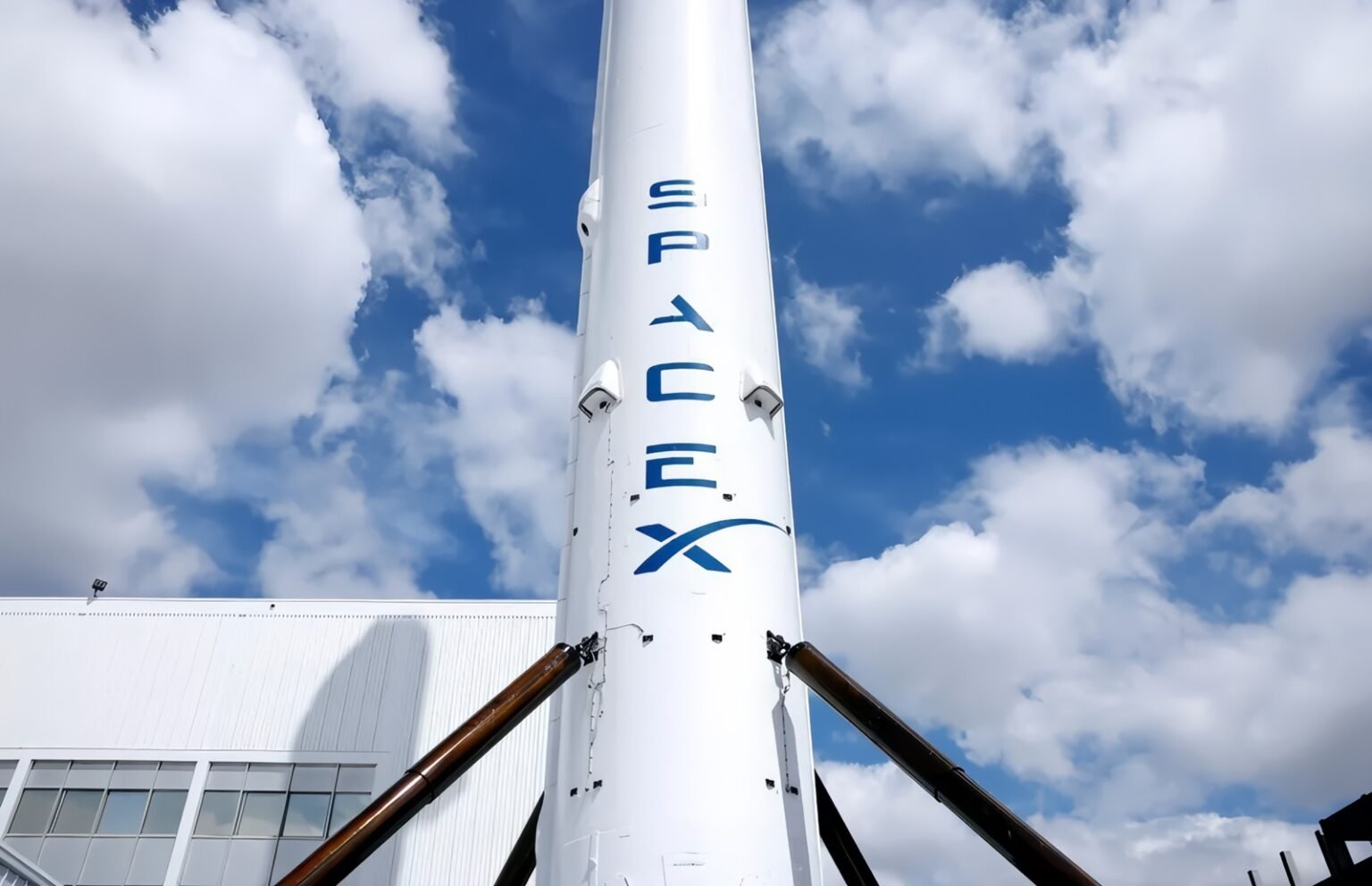
It started with SpaceX. On June 12, 2026, SpaceX went public in what became the largest IPO ever recorded. Elon Musk became the world’s first trillionaire on the back of that single event. But here is the thing that most people glossed over in the excitement: SpaceX did not go public as a rocket company. It positioned itself heavily as an AI company. That framing matters because it sets the tone for the AI IPO race that is now unfolding around it.
Once SpaceX opened that door, others started lining up. Anthropic filed to go public, and within days, OpenAI followed by filing confidentially with the SEC. Suddenly, we are not just talking about one landmark listing. We are talking about a wave. The AI IPO race has become a defining story of this moment in tech, and it is moving faster than most people expected.
What makes this particularly fascinating from where I sit is the competitive angle. Anthropic and OpenAI are not just racing to build better models or win enterprise customers. They are now racing each other to the public markets. Analysts have pointed out that there is only so much capital available and only so much investor appetite at any given time. If one company goes first and absorbs a large portion of available funds, the second company faces a harder environment. Both companies are aware of this, which is part of why the AI IPO race feels so urgent right now.
The broader market shift is also worth paying attention to. A well-circulated story recently pointed out that we have moved past FAANG. The new acronym making the rounds is MANGOS, standing for Meta, Anthropic, NVIDIA, Google, OpenAI, and SpaceX. What strikes me about that shift is not just the new names. It is what got left out. Netflix, the streaming giant that defined a generation of tech investing, is no longer in the conversation. Consumer platforms and social networks are giving way to AI labs and deep technology companies. The AI IPO race is a symptom of this larger realignment.
At Technology, we believe understanding these shifts early is what separates informed observers from people who are always reacting after the fact. The AI IPO race is not just a Wall Street story. It is a signal about where value is being created and where the next decade of innovation is headed.
And the ripple effects go much further than just the major players. Smaller startups are actively raising money on the back of SpaceX’s success. One example is Quantum Space, which is pursuing a SPAC specifically timed to catch the momentum from the SpaceX listing. Other early-stage companies are going after orbital data centers, a concept SpaceX helped bring into mainstream investor conversations. These companies may never go public themselves, but they are building businesses and raising capital because the AI IPO race has made investors more willing to back ambitious, long-term bets.
What I find genuinely interesting is that even companies far outside the traditional tech world are being pulled into this story. Ford and General Motors both have unused battery manufacturing capacity from their electric vehicle pushes that did not scale the way they hoped. Now, both companies are pivoting that capacity toward energy storage for data centers. Ford’s stock got a noticeable bump when it announced what is, by most measures, a modest energy storage business. The AI IPO race is literally rewriting what car companies think their future looks like.
That said, there is a cautionary note worth including here. We have seen this movie before. Years ago, every automaker wanted to be the next Tesla. Billions were spent chasing that model, and most of those efforts fell short. There is a real risk that companies rushing to align themselves with the AI IPO race are doing the same thing. They see what SpaceX achieved and want to replicate it without fully understanding what made SpaceX unique in the first place.
The AI IPO race is also stress testing something more fundamental: what it means to be a public company in 2026. SpaceX is pushing the limits of how much a single person can control a publicly traded company. The structure Elon Musk has put in place gives him enormous authority even after going public. Anthropic and OpenAI will both face questions about governance, control, and long-term accountability when they file publicly. How they answer those questions will shape not just their own IPOs but the rules of the AI IPO race for whoever comes after them.
From where I stand, the most important thing to watch is not which company goes public first. It is whether these companies are building something durable enough to justify what will almost certainly be enormous valuations. Public markets are unforgiving over time. The AI IPO race may put a lot of companies in the spotlight quickly, but public investors have longer memories than private ones.
This summer is going to be busy, loud, and full of headlines. But underneath all of it is a serious question about whether the AI industry has built real, lasting economic value or whether it has built expectations that even the best companies will struggle to meet. The AI IPO race will give us the first real public answer to that question, and I am watching closely.