


The global artificial intelligence boom has created a new generation of AI billionaires, and their fortunes come from far more than chatbot companies. From AI model makers and data labeling firms to medical search tools, autonomous vehicles, defense technology, and data centers, these entrepreneurs are building the infrastructure and applications shaping the next phase of technology.
For this Paradox 2026 richest list, the top 10 names are selected from Forbes’ report on 45 newcomers to its 2026 billionaires ranking. Their fortunes are estimates based on figures reported as of March 1, 2026.
A New Era of AI Wealth
The latest wave of AI billionaires reflects a major shift in the technology industry. Earlier fortunes were built mainly through search engines, social media, e-commerce, and cloud computing. Today, wealth is increasingly being created by companies that train AI models, supply computing infrastructure, label data, automate professional work, and bring artificial intelligence into traditional industries.
Forbes reported that at least 86 AI billionaires appeared on its annual list in 2026, with a combined wealth of approximately $2.9 trillion. Forty-five of those billionaires became wealthy enough to join the ranking within the previous year.
The list also shows that the AI economy is not limited to Silicon Valley. New fortunes have emerged from China, France, the United Kingdom, Germany, Poland, and other technology centers. Together, these AI billionaires represent the increasingly international character of the artificial intelligence industry.
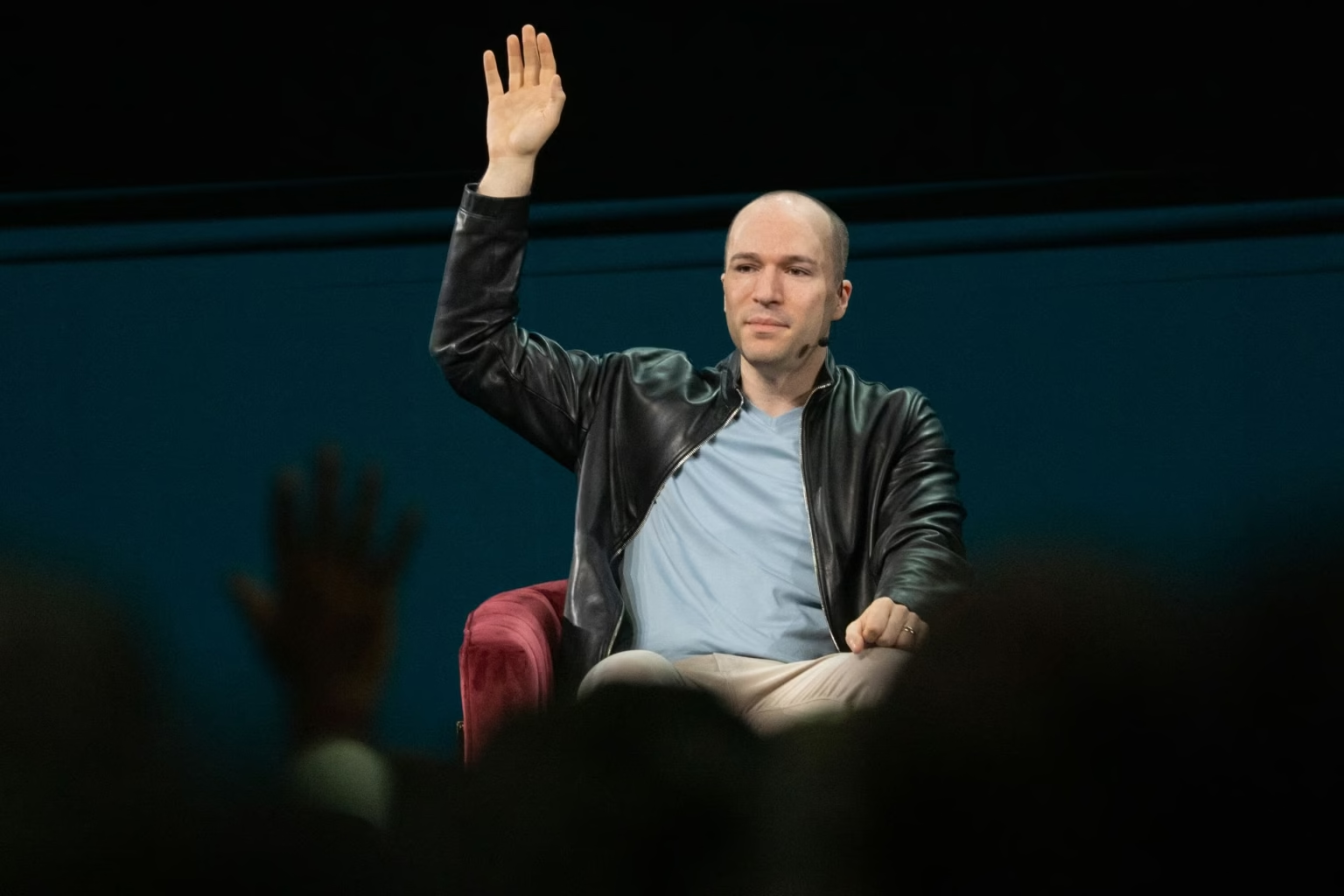
1. Edwin Chen, Surge AI

Edwin Chen is the richest newcomer among the AI billionaires featured in the Forbes report, with an estimated net worth of $18 billion. He founded Surge AI, a company focused on data labeling and the preparation of training data for advanced AI systems.
Although AI models receive much of the public attention, high-quality data remains one of the most important ingredients in artificial intelligence development. Systems need carefully labeled text, images, and other information to improve their accuracy and usefulness. Surge AI operates in that essential layer of the industry.
Chen’s fortune is especially notable because he reportedly retained more than 75 percent of Surge AI by avoiding traditional venture capital financing. That ownership position allowed him to capture a large share of the company’s rising value.
His rise offers an important lesson about the AI economy. The biggest fortunes may not always belong to the people building the most visible chatbot. They may belong to entrepreneurs controlling a critical service that every major AI laboratory needs.
2. Liu Debing, Z.ai
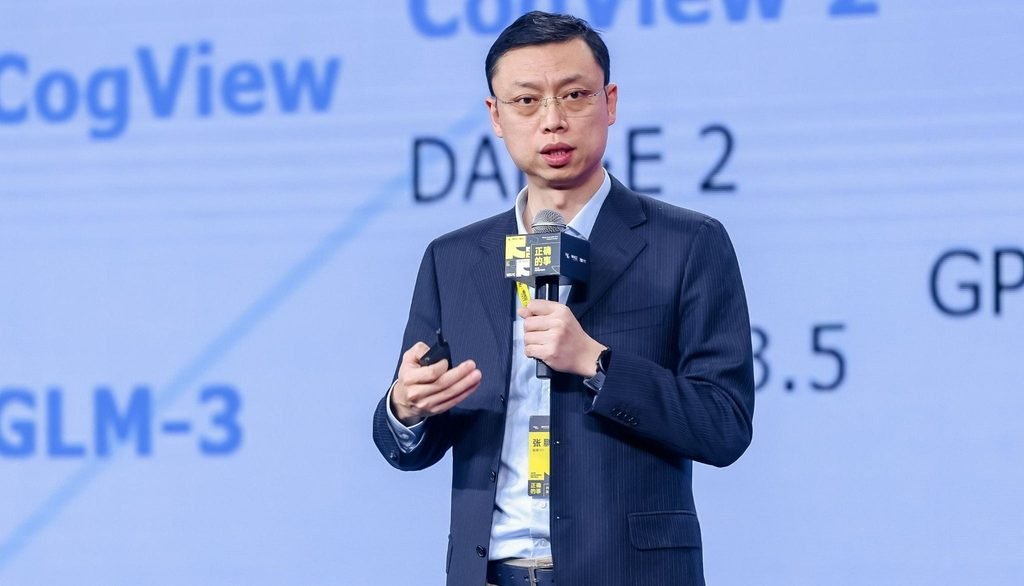
Liu Debing, cofounder and chairman of Chinese AI company Z.ai, holds the second position among these new AI billionaires. Forbes estimated his net worth at $9.1 billion after the company’s explosive Hong Kong initial public offering in January 2026.
Z.ai develops open AI models that compete with leading systems from companies such as OpenAI and other international laboratories. Its performance on the public markets helped demonstrate that investors are willing to place substantial value on Chinese AI companies with ambitious global goals.
Liu’s wealth also highlights the growing competition between American and Chinese AI developers. While the United States remains home to several of the most valuable AI companies, China has produced powerful model makers with access to a large domestic market and strong engineering talent. As more countries invest in artificial intelligence, the number of international AI billionaires is likely to increase.
3. Yan Junjie, MiniMax

Yan Junjie, a cofounder of Chinese AI company MiniMax, has an estimated net worth of $7.2 billion. His fortune grew after MiniMax benefited from the enthusiasm surrounding Chinese AI listings in early 2026.
MiniMax is part of a broader group of companies developing general-purpose AI models. These systems are designed to handle a wide range of tasks, including writing, analysis, coding, image generation, and conversational assistance.
The company’s rise shows how quickly private technology firms can move from research laboratories to public markets. It also reflects investor interest in companies that can produce capable AI models without relying entirely on the best-known American platforms.
However, the growing number of model makers also creates pressure. As AI models become easier to access, companies must prove that they can maintain technical advantages, attract customers, and generate sustainable revenue. That challenge will determine which of today’s AI billionaires remain at the top of the wealth rankings.
4. Daniel Nadler, OpenEvidence
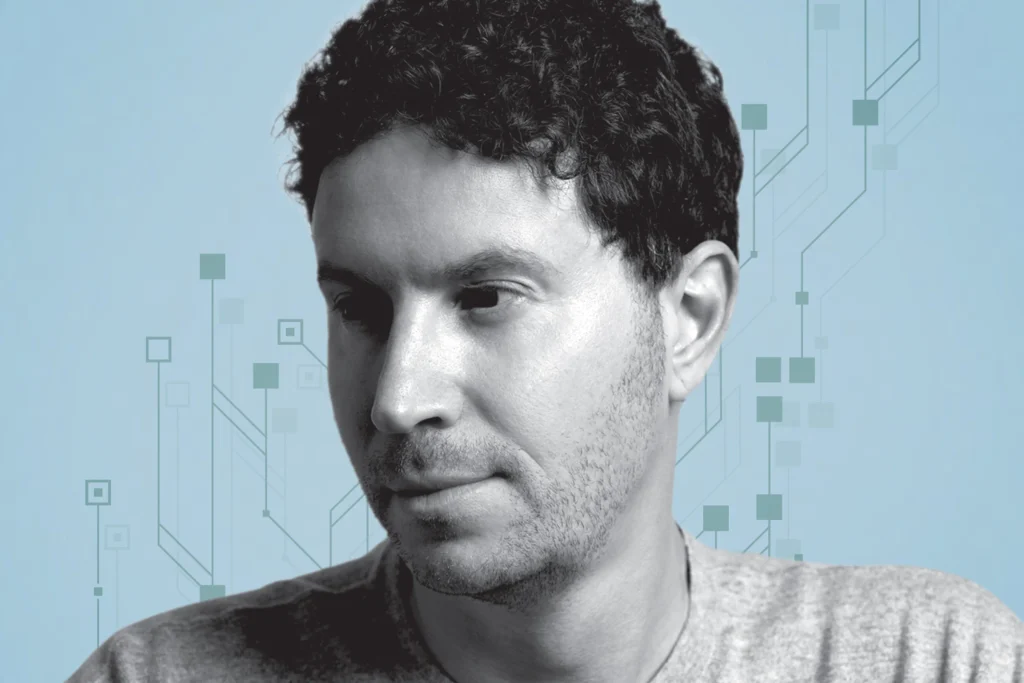
Daniel Nadler, founder of OpenEvidence, ranks among the most prominent application-focused AI billionaires, with an estimated fortune of $7.6 billion. OpenEvidence develops an AI search tool designed for doctors and other medical professionals.
The company has benefited from the demand for faster access to medical information. Doctors often need to review large amounts of research, clinical guidance, and technical material when making decisions. AI tools can help organize that information and provide rapid answers, although professional judgment and careful verification remain essential.
OpenEvidence reportedly raised financing at a valuation of $12 billion in January 2026. Its growth demonstrates how artificial intelligence is moving beyond general chatbots and into specialized industries where accuracy, trust, and professional workflows matter.
Nadler’s success also shows why medical AI is attracting investors. A system designed for a specific professional audience can potentially create stronger customer relationships than a general consumer application.
5. Peter Ludwig, Applied Intuition

Peter Ludwig is one of the cofounders of Applied Intuition, an AI company that develops software for autonomous vehicles and other complex transportation systems. Forbes estimated his net worth at $1.5 billion.
Applied Intuition has expanded its ambitions beyond self-driving cars. Its technology is designed to support vehicles, aircraft, and defense applications, making the company part of a wider movement to apply AI to physical machines.
The company was valued at approximately $15 billion, according to the Forbes report. Its growth reflects investor confidence in software that helps companies test, simulate, and operate autonomous systems.
Ludwig’s story is different from that of consumer technology founders. His wealth comes from applying AI to difficult real-world environments, where systems must respond to changing conditions and operate safely. This is one reason the next generation of AI billionaires may come from industrial software as much as from social media or online advertising.
6. Qasar Younis, Applied Intuition
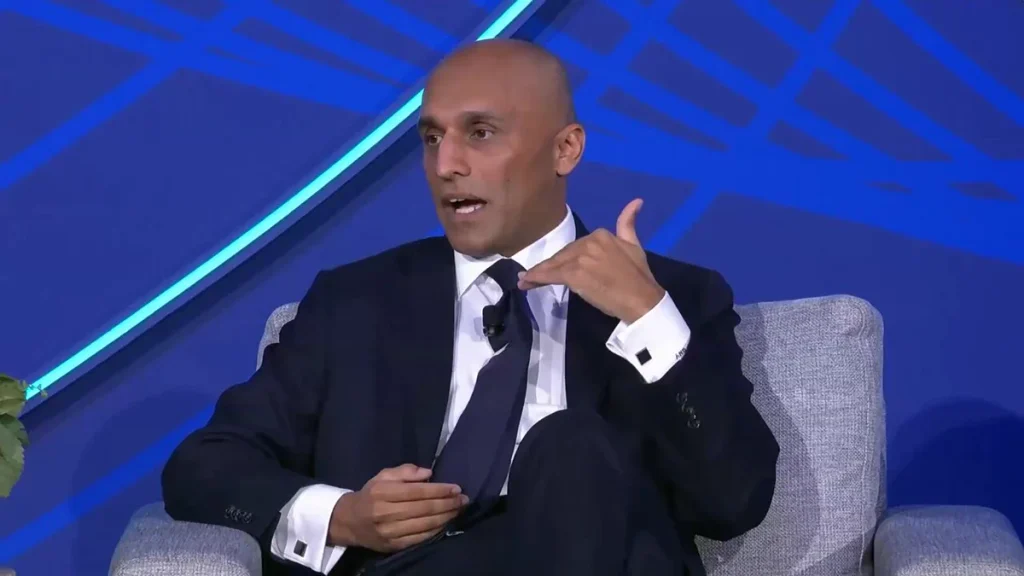
Qasar Younis, the other cofounder of Applied Intuition, also has an estimated net worth of $1.5 billion. His position on the list reinforces the importance of AI software for transportation, robotics, and defense.
Applied Intuition’s business model is built around helping companies develop autonomous systems more efficiently. Instead of creating only one vehicle or robot, the company provides software that can assist many manufacturers and technology developers.
This approach has the potential to make AI valuable across multiple industries. If autonomous technology expands, companies that provide testing tools, simulation environments, and operational software could become as important as the manufacturers themselves.
Younis represents a category of AI billionaires whose companies do not necessarily sell a consumer product. Their value comes from enabling other businesses to build and deploy artificial intelligence.
7. Trae Stephens, Anduril
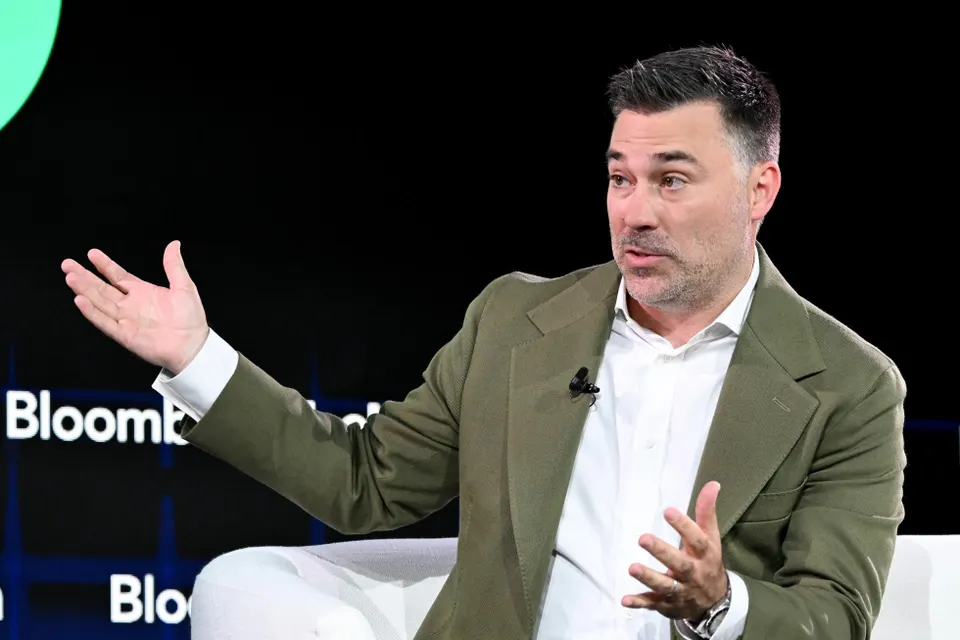
Trae Stephens, an executive and investor associated with defense technology company Anduril, became a new billionaire with an estimated net worth of $1 billion.
Anduril develops autonomous defense systems and AI-supported military technology. Its inclusion in the list reflects the rapid growth of defense technology companies that use machine learning, sensors, and autonomous systems.
The rise of defense-focused AI billionaires also raises serious questions about accountability, human control and the use of autonomous weapons. Artificial intelligence can improve surveillance, logistics and threat detection, but its deployment in military settings requires strict oversight and clear ethical standards.
Stephens’ fortune shows that AI investment is expanding into sectors where government contracts, national security priorities and geopolitical competition play a major role.
8. Michael Hsing, Monolithic Power Systems

Michael Hsing, founder and chief executive of Monolithic Power Systems, has an estimated net worth of $1.8 billion. His company provides power management technology that helps support the demanding requirements of modern data centers.
AI systems require enormous amounts of electricity and generate significant heat. Efficient power management is therefore essential for the data centers that train and run advanced models.
Monolithic Power Systems has benefited from the AI infrastructure boom, with the company’s market value rising above $50 billion, according to Forbes. Hsing’s inclusion among the new AI billionaires demonstrates that the artificial intelligence economy depends on physical hardware as much as on software.
The lesson is straightforward. Every new AI model requires chips, networking equipment, cooling systems, electricity, and specialized components. The companies supplying those necessities can create substantial wealth even when their names are less familiar to the public.
9. Robin Khuda, Digital Infrastructure
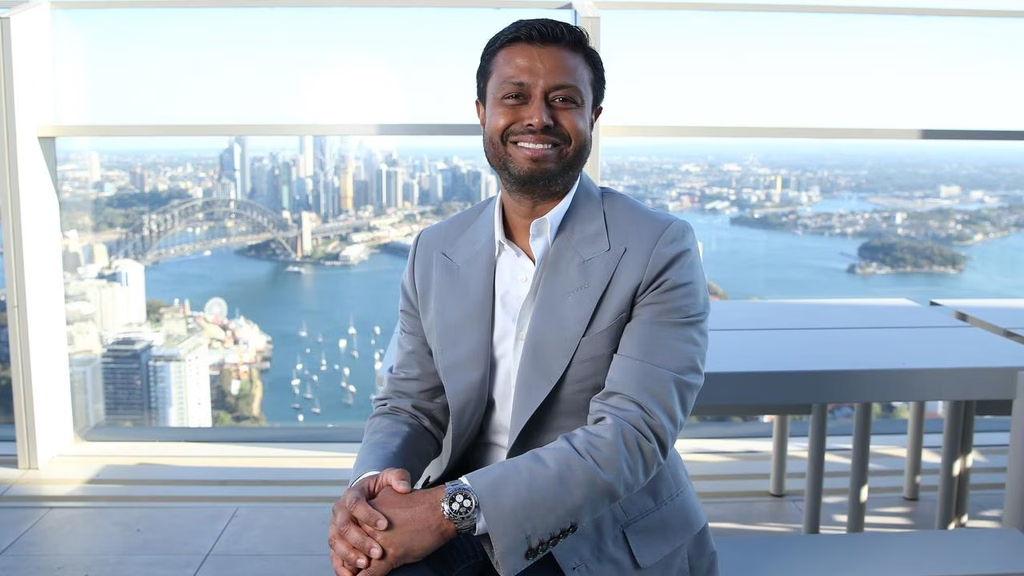
Robin Khuda, associated with the data center industry, has an estimated net worth of $2.1 billion. His fortune reflects the growing importance of physical infrastructure in the AI economy.
Training and operating advanced AI models requires facilities capable of supporting large numbers of high-performance processors. These data centers must manage power consumption, cooling, security and network connectivity at an enormous scale.
Khuda’s rise is a reminder that artificial intelligence is not simply a digital service delivered through an app. Behind every AI assistant and automated workflow is a network of buildings, servers and energy systems.
The data center sector may produce more AI billionaires as companies race to meet the demand for computing capacity. At the same time, rising energy use and environmental concerns could become significant challenges for the industry.
10. Fabian Hedin, Lovable

Fabian Hedin, cofounder of software company Lovable, has an estimated net worth of $1.6 billion. Lovable is part of the rapidly growing group of AI application companies using natural language to help people build software.
These tools are often described as vibe coding platforms. Users can explain what they want in ordinary language, while AI generates or modifies the underlying code. This makes software development more accessible to entrepreneurs, designers, small businesses, and people without formal programming backgrounds.
Lovable reportedly reached a valuation of $6.6 billion in February 2026. Its growth illustrates how AI is changing the software development process and creating new opportunities for nontraditional builders.
Hedin belongs to a new generation of AI billionaires whose companies aim to make technology creation easier for everyone. The long-term challenge will be maintaining quality, security, and reliability as more people rely on AI-generated software.
What This List Reveals
The top newcomers to the 2026 AI billionaires list do not all follow the same path. Some developed foundation models, while others created tools for healthcare, transportation, defense, or software development. Several built fortunes by supplying data centers, power systems, and other infrastructure.
The most important pattern is the movement from experimentation to commercialization. Artificial intelligence is no longer limited to research laboratories. It is being integrated into medicine, coding, vehicles, national security and industrial operations.
Yet the speed of wealth creation also comes with uncertainty. Forbes noted that some AI companies have achieved extraordinary private valuations despite limited revenue or profits. Public market volatility has already affected parts of the AI infrastructure industry, and future corrections could reduce some fortunes sharply.
That uncertainty does not eliminate the importance of the technology. It simply means that investors and businesses must distinguish between genuine productivity gains and temporary enthusiasm.
The Future of AI Wealth
The new AI billionaires are likely to face a more difficult test in the years ahead. Raising capital and reaching a multibillion-dollar valuation are only the first stages of building a durable company.
The strongest businesses will probably be those that solve expensive problems, retain customers, and develop defensible technology. Companies that depend only on novelty may struggle when competitors offer similar AI tools at lower prices.
For readers and business owners, the broader lesson is useful. The AI economy is creating opportunities in model development, data preparation, specialized software, cybersecurity, chips, energy and infrastructure. The most valuable idea may not be another general chatbot. It may be a focused solution that helps a specific industry work faster, safer or more accurately.
The fortunes of these AI billionaires will continue to rise and fall with the technology market. Their companies, however, have already changed the direction of global investment and made artificial intelligence one of the most powerful forces shaping business in 2026.