



Article Highlights
- A first-person look at ten defining pieces of retro electronics from Japan’s golden era
- Verified release dates and history for the Walkman, Famicom, Game Boy, and Tamagotchi
- Practical buying tips and common mistakes to avoid when collecting retro electronics
- A balanced pros and cons breakdown for anyone considering vintage electronics collecting
- Beginner-friendly recommendations for where to start building a retro electronics collection
I still remember the first time I held a real Sony Walkman that belonged to my uncle. It was heavier than I expected, the buttons clicked with a satisfying mechanical snap, and the sound coming through the foam headphones felt like a small miracle. That moment is what pulled me into collecting retro electronics in the first place, and it is why I keep coming back to Japan’s golden era of consumer technology whenever I want to understand where so many of our everyday gadgets actually came from.
Japan’s electronics boom of the late 1970s through the 1990s did not just produce popular products. It changed how people around the world listened to music, played games, communicated, and even raised virtual pets. In this article, I want to walk through ten pieces of retro electronics that I believe best capture that period, based on verified history, real specifications, and my own hands-on experience restoring and using several of these devices.
Why Japan’s Golden Era Still Matters for Retro Electronics Fans
Before I get into the list, it helps to understand why this era produced so much lasting retro electronics culture. Japan’s postwar manufacturers were competing hard on miniaturization, reliability, and design. That combination created products that were not only functional but genuinely beautiful, which is a big part of why collectors still chase them today.
Brands like Sony, Nintendo, Sharp, Casio, and Bandai were not just building gadgets. They were building objects that people formed emotional attachments to. That emotional connection is the real reason retro electronics from this period still command such strong interest on resale markets and among younger collectors who never even lived through the original release dates.
1. Sony Walkman TPS-L2
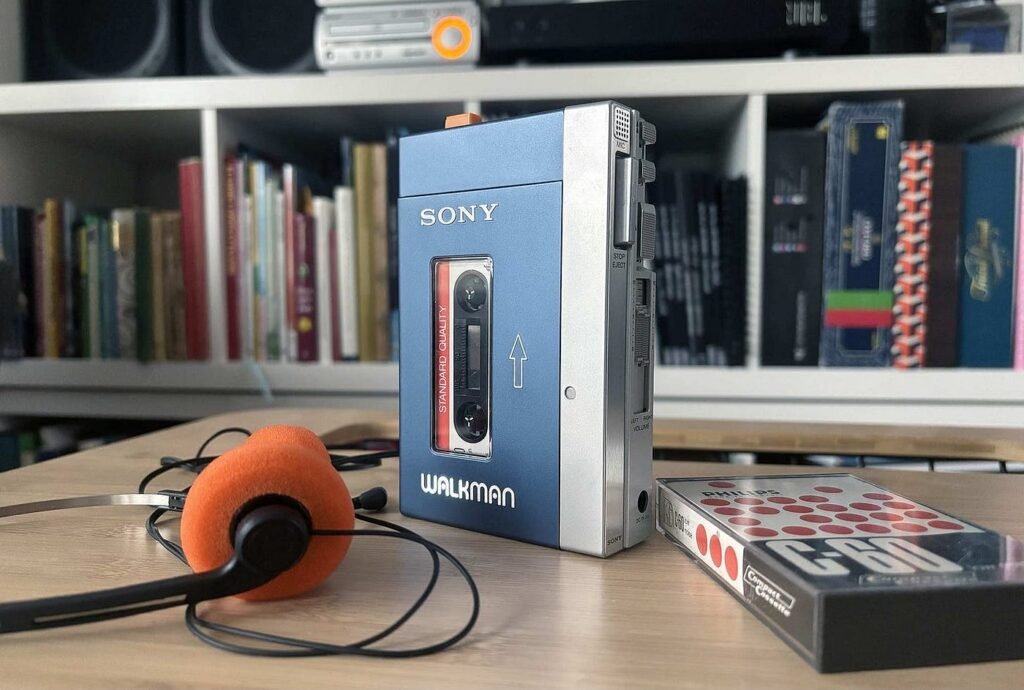
The Walkman is probably the single most recognizable piece of retro electronics to come out of Japan. Sony released the original TPS-L2 cassette player in Japan on July 1, 1979, and it is widely credited as the product that made portable personal audio mainstream.
What I find most interesting is that Sony’s engineers were reportedly skeptical about a device that could only play audio and not record it. Company cofounder Akio Morita pushed for it anyway, and the gamble paid off. Demand in Japan was so high that the planned international launch had to be delayed to keep up with local supply.
I have owned a reissue and a genuine late-era model, and the difference in build quality is obvious. The original units used real metal mechanisms and were engineered to survive daily commuting, which is part of why so many still function today.
Quick tip: if you are buying a vintage Walkman, always ask the seller to demonstrate playback before purchase. Belt degradation is extremely common in units this old.
2. Nintendo Famicom
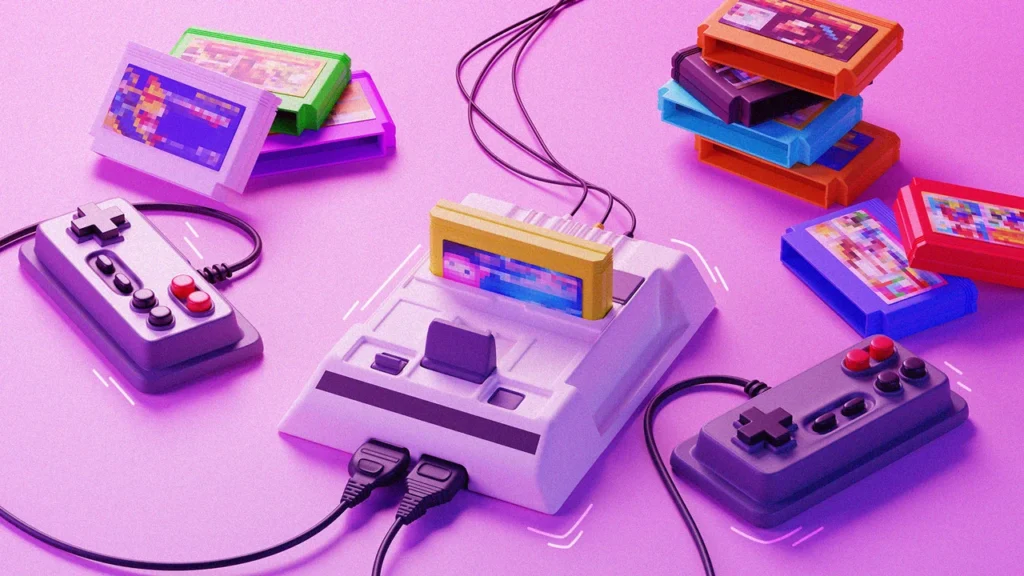
The Family Computer, known worldwide as the Famicom, launched in Japan on July 15, 1983. It became Nintendo’s first major cartridge-based home console and eventually formed the foundation for the Nintendo Entertainment System sold internationally.
I consider the Famicom one of the most culturally significant pieces of retro electronics because it essentially rescued the home video game industry after the North American market crash of 1983. Its distinctive red and white design, along with the top-loading cartridge slot, is instantly recognizable even to people who never owned one.
Collectors should know that Famicom cartridges are physically smaller than NES cartridges, so the two are not interchangeable without an adapter. This trips up a lot of newer collectors who assume all retro electronics from Nintendo share the same cartridge format.
3. Nintendo Game Boy
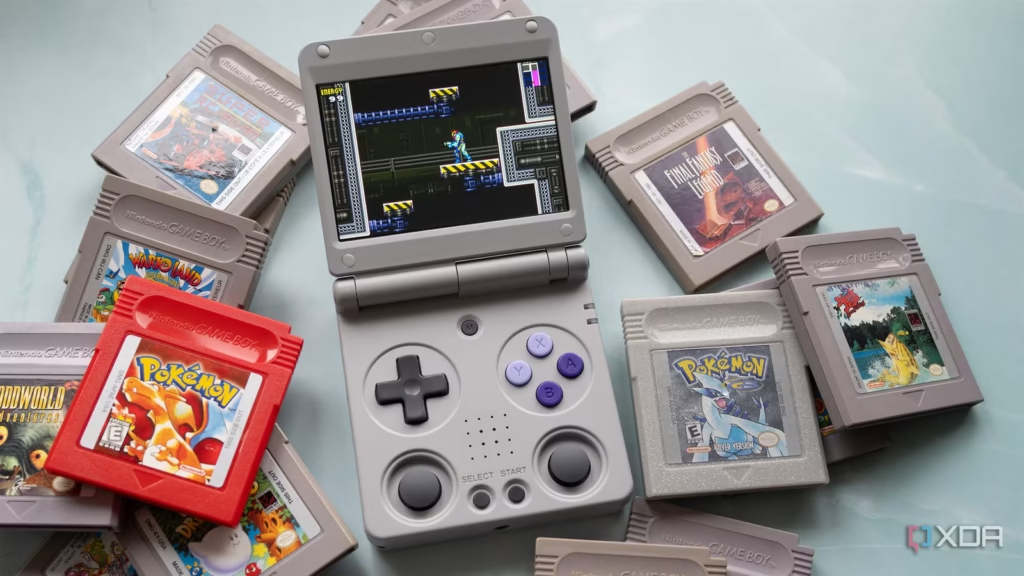
Released by Nintendo in 1989, the Game Boy took the handheld gaming concept that Gunpei Yokoi had already explored with the Game and Watch line and turned it into a global phenomenon. Yokoi reportedly got the initial spark for handheld gaming after watching a bored commuter fidgeting with a pocket calculator on a train.
The original Game Boy prioritized battery life and durability over raw graphical power, which is exactly why so many of these units are still working decades later. I have tested a Game Boy from the early 1990s that still runs perfectly on four AA batteries, and that kind of longevity is rare in modern retro electronics comparisons.
Common mistake: many people assume a nonworking Game Boy screen means the unit is dead. In most cases, it is a simple capacitor issue that a hobbyist repair technician can fix affordably.
4. Sony Discman D-50
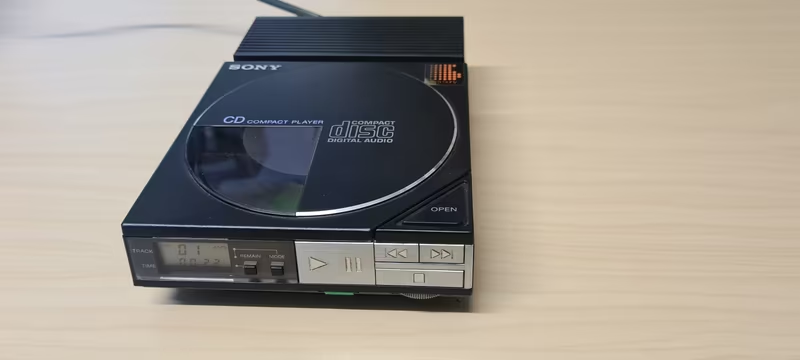
Sony followed the Walkman with the D-50 portable CD player, released in Japan in 1984. It was smaller than a CD jewel case and represented an enormous engineering achievement for its time, since fitting a laser reading mechanism into something pocketable was not trivial.
I like to think of the Discman as the bridge product in the story of Japanese retro electronics. It carried the portability philosophy of the Walkman into the digital audio era, setting the stage for later formats.
5. Sony MiniDisc Players
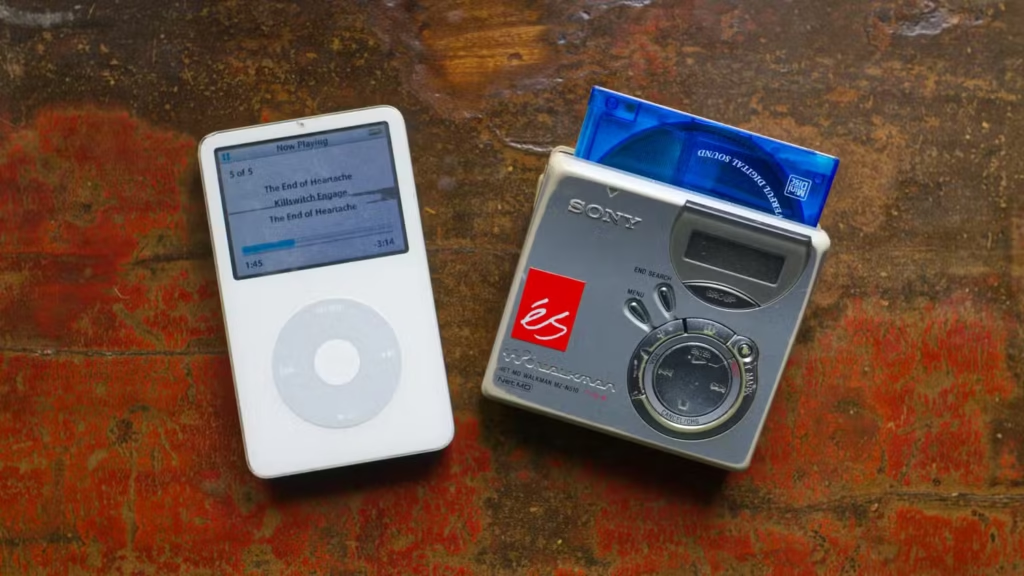
The MiniDisc format launched commercially in Japan in 1992 as Sony’s answer to the limitations of cassette tape and the fragility of CDs in portable use. It combined a rewritable magneto-optical disc with compact hardware.
MiniDisc never achieved the same global dominance as the Walkman or the CD, but among retro electronics enthusiasts it has a devoted following, especially in Japan where the format remained popular well into the 2000s. I still use a MiniDisc deck for archiving old recordings because the sound quality holds up surprisingly well.
6. Bandai Tamagotchi
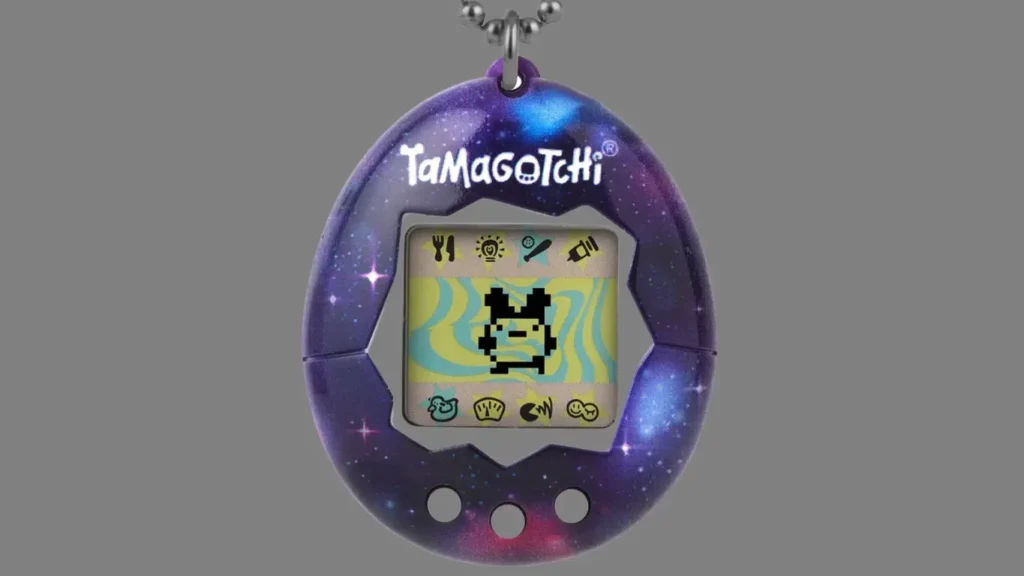
The Tamagotchi virtual pet launched in Japan on November 23, 1996, created by Akihiro Yokoi and Aki Maita. It became a massive fad, particularly among high school students, and pushed Bandai to expand production rapidly to meet demand.
What makes the Tamagotchi stand out in any retro electronics discussion is how it turned a simple egg-shaped toy into an emotional experience. Feeding, cleaning, and caring for a digital creature on a tiny screen was a genuinely new interaction model at the time, and it influenced digital pet and mobile game design for years afterward.
Expert tip: original 1996 and 1997 Tamagotchi units in working condition with intact batteries are increasingly hard to find, so authenticated resale listings should always be checked for date stamps on the shell.
7. Sharp Calculator Watches
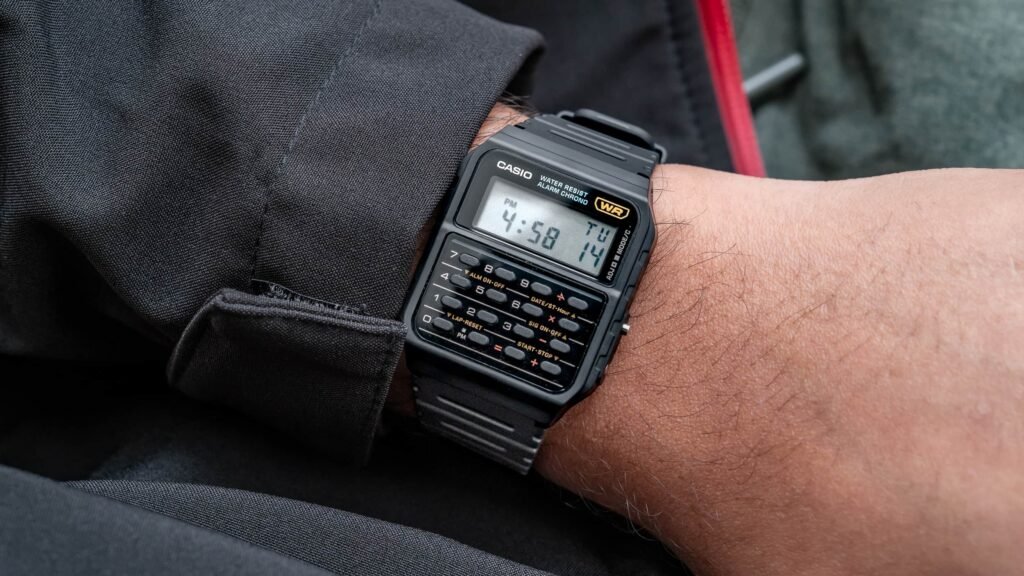
Sharp and Casio both released calculator watches during the late 1970s and 1980s that combined timekeeping with basic arithmetic functions on a tiny LCD. These devices feel almost quaint now, but at the time they represented a genuine miniaturization breakthrough.
I include them in this retro electronics list because they show a different side of Japan’s golden era, the everyday practical gadget rather than the flashy entertainment product. They were affordable, reliable, and sold in huge numbers to students and office workers.
8. Casio Digital Cameras and Early Consumer Electronics
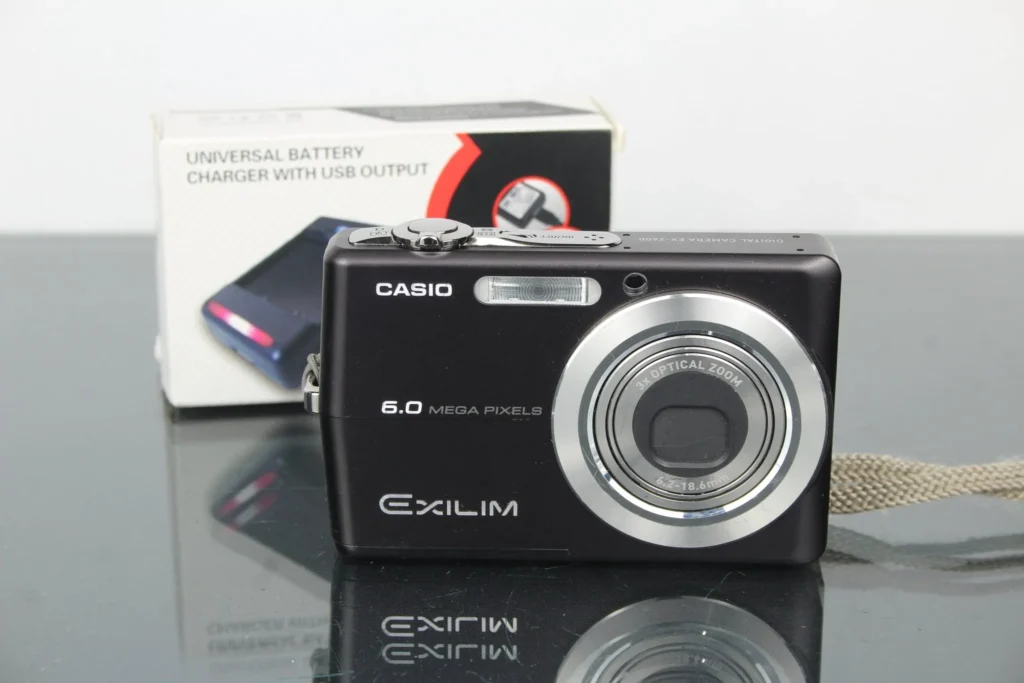
Casio built a strong reputation during this period for affordable digital devices, including early digital cameras that brought imaging technology within reach of ordinary consumers rather than just professionals. While Casio is best known today for watches and calculators, its broader catalog of retro electronics from this era deserves more attention than it usually gets.
If you are researching this category for a home setup inspired by that era, checking a resource like Paradox Spotlight can help you compare how those design principles carried forward into modern compact electronics.
9. Sharp My Computer TV C1
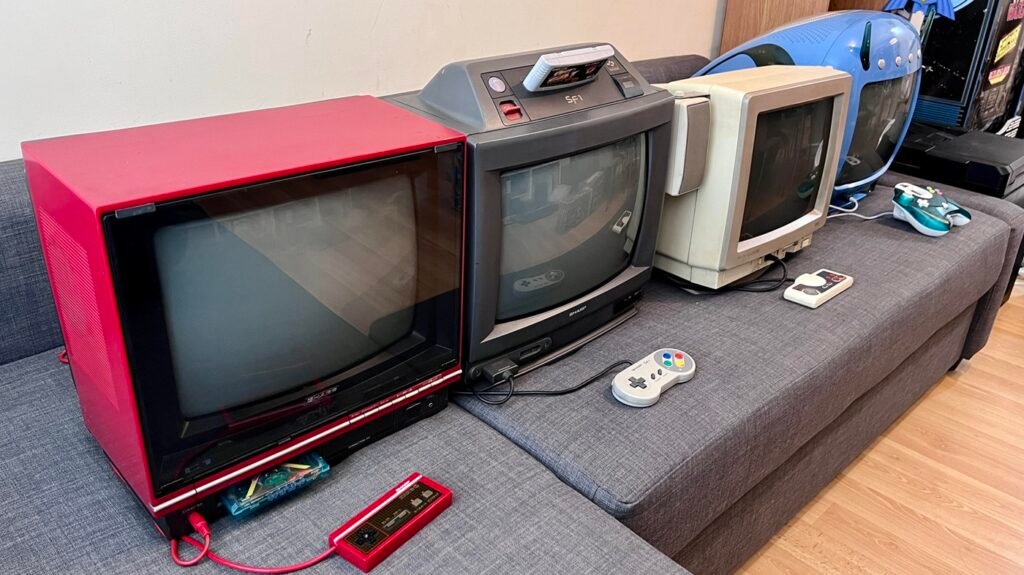
A few months after the Famicom launched, Sharp released the My Computer TV C1, a combined console and television unit bundled with Donkey Kong Jr. games. It is a lesser-known piece of retro electronics history, but it shows how quickly Japanese manufacturers experimented with integrating gaming hardware directly into consumer appliances.
I find this kind of product fascinating because it never achieved mainstream success, yet it hints at ideas that eventually reappeared decades later in modern all-in-one entertainment systems.
10. Sony AIBO Robot Dog
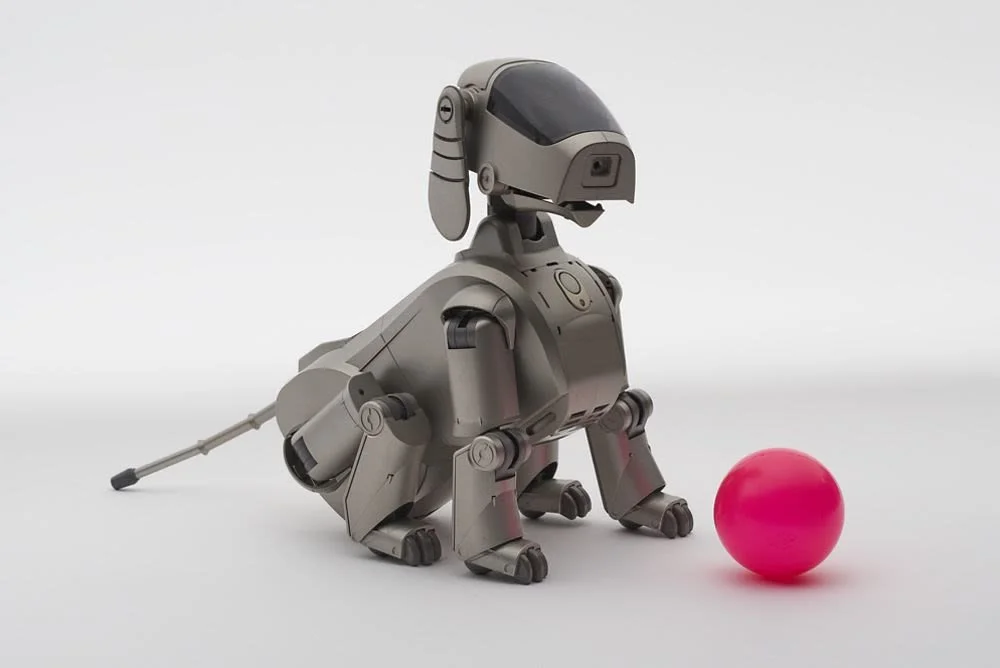
Sony introduced AIBO in 1999, right at the tail end of the golden era window. It was an autonomous robotic dog capable of basic learning behaviors, and it captured public imagination as an early example of consumer robotics leaving the laboratory and entering people’s homes.
AIBO closes out this retro electronics list well because it represents the ambition of the era, taking playful concepts seriously enough to engineer them into real, sellable products.
Pros and Cons of Collecting Retro Electronics From This Era
Pros
- Build quality on many original units is genuinely superior to modern disposable electronics
- Strong resale value for well-preserved and authenticated pieces
- Deep community support for repairs, parts, and restoration guides
- Nostalgic and design value that modern reproductions rarely capture fully
Cons
- Aging components like belts, capacitors, and batteries often need replacement
- Original packaging and accessories are increasingly rare and expensive
- Counterfeit and reproduction units are common, especially for Tamagotchi and Game Boy accessories
- Repair technicians familiar with this specific era of retro electronics can be hard to find outside major cities
Common Mistakes People Make With Retro Electronics
A lot of newcomers to retro electronics collecting rush into purchases without checking functional condition first. Cosmetic photos in online listings can hide serious internal issues, so I always recommend asking sellers for a short video of the device actually working.
Another common mistake is storing these devices with old batteries still inside. Battery leakage is one of the most common causes of permanent damage to vintage retro electronics, and it is entirely preventable with proper storage habits.
Finally, people sometimes overpay for reproduction or reissue units while believing they are buying an original. Learning the specific model numbers and manufacturing details for the retro electronics you want is the best protection against this.
My Practical Recommendations for Getting Started
If you are new to collecting retro electronics from Japan’s golden era, I suggest starting with something durable and relatively common, like a later model Walkman or an original Game Boy. These are more forgiving for beginners because parts and repair guides are widely available.
From there, branch into rarer categories like MiniDisc or Tamagotchi once you have a better feel for authentication and condition grading. Buying from specialized retro electronics resellers rather than generic marketplaces tends to reduce the risk of misrepresented listings.
Frequently Asked Questions
What counts as retro electronics from Japan’s golden era?
Generally, this refers to consumer devices released between the late 1970s and the late 1990s, spanning portable audio, gaming, and early digital gadgets from manufacturers like Sony, Nintendo, Sharp, Casio, and Bandai.
Are original Sony Walkman units still worth buying today?
Yes, many working units still hold strong resale value, though buyers should always verify playback and belt condition before purchasing, since deterioration is extremely common in devices this old.
Is the Famicom the same as the NES?
No. The Famicom was released in Japan in 1983 and later redesigned for the North American market as the Nintendo Entertainment System in 1985. Cartridges between the two are not physically compatible without an adapter.
Why do original Tamagotchi units sell for so much more than reissues?
Original 1996 and 1997 units are increasingly scarce, and many surviving examples have battery corrosion or shell damage, so verified working originals carry a strong collector premium.
Can vintage Japanese retro electronics be repaired if they stop working?
In many cases, yes. Common fixes include belt replacement in cassette players, capacitor replacement in handheld consoles, and battery contact cleaning in devices like the Tamagotchi and calculator watches.
Do I need to be an expert to start collecting retro electronics?
Not at all. Starting with more common and durable items, learning basic model identification, and buying from reputable sellers is enough to begin safely.
Is it safe to use original vintage batteries in these devices?
No. Old batteries should always be removed and replaced with fresh ones, since leaking alkaline batteries are one of the leading causes of irreversible damage to vintage electronics.
Personal Opinion
Japan’s golden era of retro electronics produced more than nostalgic collectibles. It produced a genuine blueprint for how portable, personal, and playful technology could reshape daily life. Some of these devices succeeded wildly, and others quietly faded, but each one tells part of a larger story about a period when Japanese engineering was setting the pace for the rest of the world.
Whether you are drawn to this category for the design, the history, or simply the memories attached to a specific device, there is real value in understanding where modern gadgets actually came from. Retro electronics from this era are not just old products sitting in a drawer. They are a record of how fast consumer technology moved once Japan’s manufacturers decided to make it personal.