


Article Highlights
- Solar panel efficiency measures how much sunlight a panel converts into usable electricity, and most standard panels fall between 15% and 22% efficiency today.
- Proper placement and angle significantly affect solar energy panel efficiency, with south-facing panels at a 30 to 45 degree tilt delivering the best results in most regions.
- Regular cleaning and maintenance can recover lost solar panel efficiency caused by dust, bird droppings, and debris buildup.
- Temperature management matters more than most people realize since solar panels actually lose efficiency in extreme heat despite running on sunlight.
- Choosing the most efficient solar panels upfront, such as monocrystalline models, gives you a stronger foundation for long-term performance.
Why Solar Panel Efficiency Matters More Than You Think
When I first had solar panels installed on my home, the installer threw around a lot of numbers. Watts, kilowatt-hours, tilt angles, and percentages. The one that stuck with me most was solar panel efficiency. It is the single most important number that determines how much electricity your panels produce from the same amount of sunlight.
Solar panel efficiency refers to the percentage of sunlight that hits the panel surface and gets converted into usable electricity. If a panel has 20% efficiency, that means it is turning one-fifth of the available solar energy into power, and the rest is lost as heat. That gap matters a lot when you are paying for installation and expecting real savings on your electricity bill.
Most people assume that once the panels are on the roof, the job is done. I thought the same thing. But solar panel efficiency is not a fixed number. It changes based on how you install, maintain, and manage your system. Understanding this is the first step to getting more from your investment.
How Efficient Are Solar Panels in Real Life
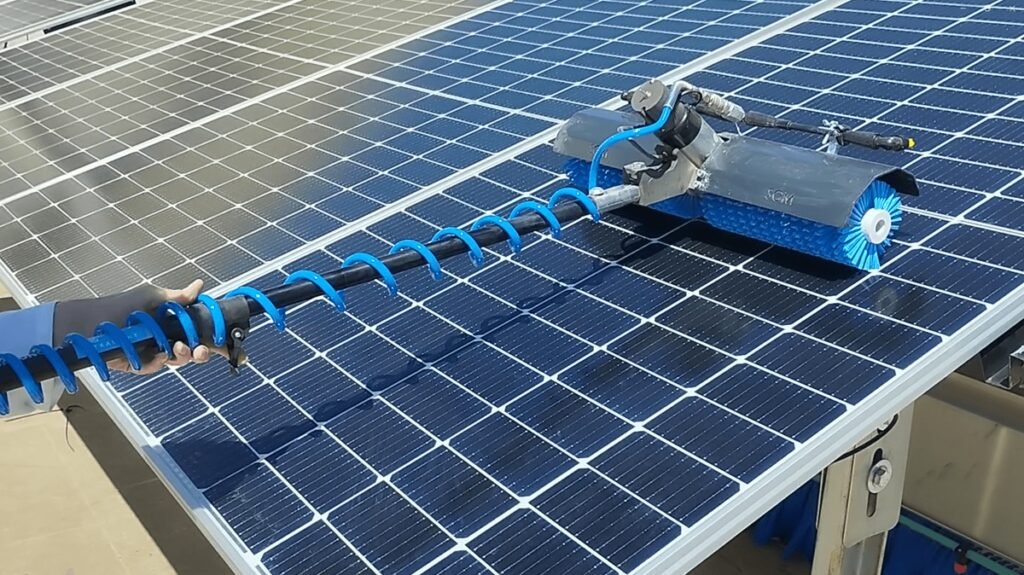
Before you can improve something, you need to understand where it stands. So how efficient are solar panels in practical, everyday use? The answer depends on the type of panel and the conditions they operate in.
Standard polycrystalline panels typically deliver solar panel efficiency in the range of 15% to 17%. Monocrystalline panels, which are made from a single silicon crystal, push that figure to 20% to 22%. The most efficient solar panels available commercially today, using advanced technologies like heterojunction or back-contact cells, can exceed 23% efficiency.
In real-world conditions, however, panels rarely hit their rated efficiency consistently. Heat, shade, dust, and the angle of sunlight all reduce actual output. When I had my own system tested after a summer of use, the effective efficiency was noticeably lower than the manufacturer’s spec because of a combination of afternoon shade from a nearby tree and accumulated dust. That experience taught me that solar panel efficiency is something you actively manage, not just something you buy.
Choosing High-Efficiency Solar Panels From the Start
One of the most impactful decisions you can make is choosing the right panels before installation. High-efficiency solar panels may cost more upfront, but they produce more power per square foot of roof space. This is especially important if you have a limited roof area or want to maximize your system output without expanding the installation footprint.
When comparing panels, look at the efficiency rating listed by the manufacturer under standard test conditions. Monocrystalline panels are the industry standard for high-efficiency solar panels in residential installations. Brands like SunPower, LG, and REC have consistently produced panels with strong solar panel efficiency ratings backed by solid warranties.
At Mid Paradox, we always recommend comparing not just the efficiency number but also the temperature coefficient, which tells you how much efficiency the panel loses as it heats up. A panel with a lower temperature coefficient holds its solar panel efficiency better during hot summer days.
The Role of Placement and Angle in Solar Energy Panel Efficiency
After choosing the right panels, installation angle and direction are the next biggest factors affecting solar energy panel efficiency. I learned this firsthand when comparing my output to a neighbor who had the same panels installed at a different angle.
In the northern hemisphere, south-facing panels receive the most consistent sunlight throughout the day. The ideal tilt angle depends on your latitude. As a general rule, panels tilted at an angle equal to your geographic latitude tend to perform best over the full year. For most of the continental United States, that means somewhere between 30 and 45 degrees.
If your roof has a different orientation, adjustable mounting systems can compensate somewhat. Solar trackers, which mechanically rotate panels to follow the sun, can increase solar panel efficiency by 25% to 35% compared to fixed installations. They are more expensive and require maintenance, but for ground-mounted systems, they are worth serious consideration.
Avoid shading at all costs. Even a small shadow covering part of one panel can reduce the output of your entire string in some system configurations. Modern microinverters and power optimizers help reduce the impact of partial shading on overall solar panel efficiency by allowing each panel to operate independently.
Keeping Panels Clean to Maintain Peak Solar Panel Efficiency
This is the maintenance step most people skip, and it is one of the easiest ways to lose solar panel efficiency without realizing it. Dust, pollen, bird droppings, and leaves all reduce the amount of light reaching the solar cells.
Studies have shown that dirty panels can lose anywhere from 5% to 25% of their efficiency, depending on how dirty they get and how long they go without cleaning. In dry, dusty climates, the losses can be even higher. I clean my panels every three months, and I can see a measurable increase in daily output after each cleaning.
You do not need special equipment for most residential panels. A soft brush, a mild soap solution, and clean water are enough. Avoid abrasive materials and harsh chemicals that can damage the anti-reflective coating on the panel surface. Early morning or late afternoon is the best time to clean, when panels are cool and not in direct intense sunlight.
Temperature Management and Solar Panel Efficiency
This one surprises a lot of people. Solar panels generate electricity from light, not heat. In fact, high temperatures reduce solar panel efficiency. Most silicon-based panels begin to lose efficiency above 25 degrees Celsius, with losses of around 0.3% to 0.5% for every degree above that threshold.
During peak summer heat, a panel sitting on a dark roof can reach surface temperatures well above 60 degrees Celsius. That represents a meaningful drop in real-world solar panel efficiency compared to cooler operating conditions.
Proper installation with adequate airflow beneath the panels helps manage heat. Panels mounted flush against the roof trap heat. Raised mounting systems that allow a few inches of clearance let air circulate and carry heat away. This small change can improve solar panel efficiency on hot days by several percentage points.
In regions with very hot summers, lighter roofing materials and strategic shading from trees on non-panel areas of the roof can also help keep the overall system cooler without blocking sunlight from the panels themselves.
Inverters, Wiring, and System Efficiency
Solar panel efficiency is only one part of the equation. The components that convert and carry that electricity also matter. Even the most efficient solar panels will underperform if the inverter is oversized, undersized, or aging.
String inverters are the most common and affordable option, but they can limit the performance of your entire array if one panel underperforms. Microinverters installed on each panel individually eliminate this problem and are particularly valuable in installations where partial shading is unavoidable.
Wiring losses are another factor that is easy to overlook. Long cable runs with inadequate wire gauge create resistance losses that reduce the electricity reaching your home or battery system. When I upgraded my system wiring with heavier gauge cables, I noticed a consistent improvement in daily yield.
If your system uses batteries for storage, keep an eye on battery health as well. Degraded batteries reduce the effective solar energy panel efficiency of your overall setup by storing less energy during peak production hours.
Monitoring Systems and Ongoing Solar Panel Efficiency Tracking
One of the best investments I made after my initial installation was adding a real-time monitoring system. Many modern inverters come with built-in monitoring apps that show daily, monthly, and historical production data. This visibility is essential for catching efficiency losses early.
If your daily output drops without a change in weather, that is a signal that something is affecting your solar panel efficiency. It could be a dirty panel, a shading issue from new tree growth, a failing microinverter, or a connection that has loosened over time. With monitoring, you catch these problems quickly rather than losing weeks of production silently.
Most efficient solar panels on the market today come with performance warranties guaranteeing that they will still produce at least 80% to 87% of their rated output after 25 years. Monitoring helps you verify your system is on track to meet those guarantees and gives you documentation if you ever need to make a warranty claim.
Seasonal Adjustments to Improve Solar Panel Efficiency
Solar panel efficiency varies with the seasons, and making small adjustments can help offset those natural fluctuations. In winter, the sun sits lower in the sky, which can actually be favorable for tilted panels in some locations. Snow accumulation is the bigger concern. Light snow will typically slide off on its own, but heavy accumulation should be cleared carefully with a soft roof rake to restore output.
In spring and fall, pollen is a major culprit for reduced solar panel efficiency. These seasons often require more frequent cleaning than summer or winter. Checking output weekly during high-pollen periods helps you stay ahead of any losses.
Some homeowners with manually adjustable mounting systems change their panel tilt between summer and winter to optimize the angle for the sun’s position. This seasonal tuning can improve annual solar panel efficiency by a few percentage points and is well worth considering if your mounting system supports it.
Upgrading Older Systems to Recover Solar Panel Efficiency
If your solar panels are more than ten years old, you may already be experiencing natural degradation. Most panels degrade at a rate of about 0.5% to 0.8% per year. After a decade, that adds up to a meaningful reduction in output compared to when the system was new.
In some cases, replacing aging panels with modern high-efficiency solar panels is economically worthwhile, especially if the cost of solar has dropped significantly since your original installation, which it has in most markets. Pairing a panel upgrade with a new inverter and updated monitoring system can restore your system to near-original performance or even improve on it.
Before committing to a full replacement, have a qualified solar technician assess each panel’s individual performance. Some panels may degrade faster than others due to manufacturing defects or localized damage, and replacing only the underperforming units may be a more cost-effective option.
Maximizing Solar Panel Efficiency
Improving solar panel efficiency is not about one single change. It is a combination of smart decisions made before, during, and after installation. Start with the most efficient solar panels your budget allows. Install them at the right angle with proper airflow. Keep them clean and monitor their output consistently. Manage shading, upgrade aging components, and make seasonal adjustments when possible.
Solar energy panel efficiency is ultimately about getting the most value from every hour of sunlight. When you treat your solar system as something that requires ongoing attention rather than a set-and-forget installation, the performance improvements are real, and they add up over the lifetime of the system. The panels I have today produce measurably more power than when they were first installed, not because they got better over time, but because I learned how to manage them properly. You can do the same.