
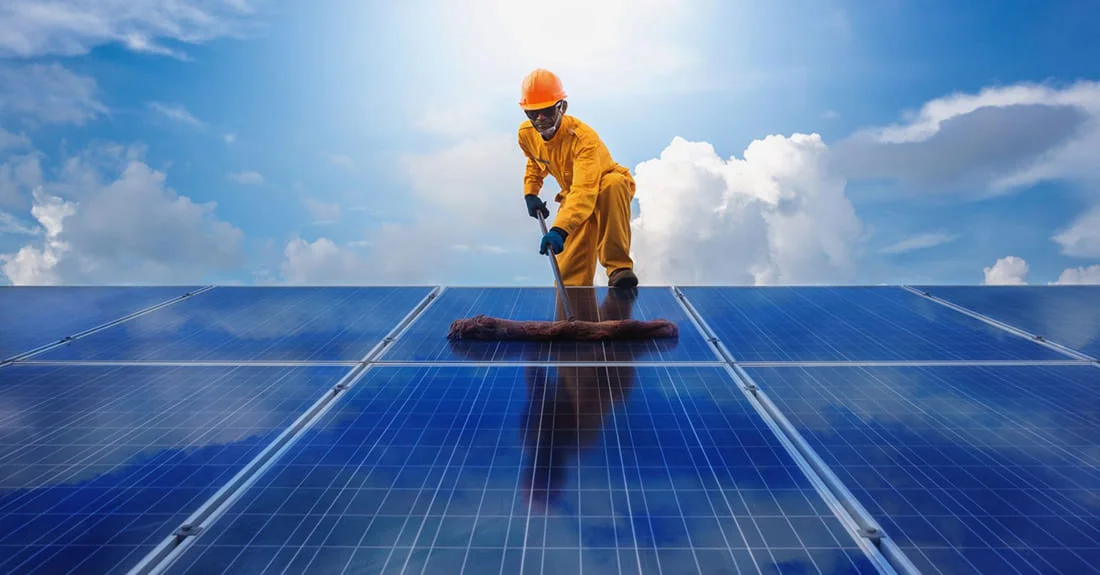


Article Highlights (Key Points)
- A dirty solar panel can lose 15 to 25 percent of its energy efficiency, making regular cleaning essential.
- Using the right solar panel cleaning tools prevents scratches and damage to the panel surface.
- Soft bristle brushes and deionized water are the safest combination for effective solar system cleaning.
- Investing in a complete solar panel kit saves time, reduces water usage, and protects your warranty.
- Most home solar panel systems only need cleaning two to four times per year, depending on your local environment.
Introduction
I remember the day my energy bill started creeping back up just six months after installing my home solar panel system. I checked everything, the inverter, the wiring, the settings, and nothing seemed wrong. Then I actually climbed up to look at the panels themselves. They were coated in a thin layer of dust, bird droppings, and dried pollen. That was my wake-up call.
A solar panel is a significant investment, and like any investment, it needs regular maintenance to perform at its best. Dirty panels mean reduced sunlight absorption, which means less power for your home. Studies consistently show that an unclean solar panel can lose anywhere from 15 to 25 percent of its efficiency. That is money walking straight out of your savings.
The good news is that solar panel cleaning does not have to be complicated or expensive. With the right tools, you can do it yourself safely and effectively. In this article, I am going to walk you through the seven essential tools every homeowner should have to keep their solar system running at peak performance.
Why Solar Panel Cleaning Matters More Than You Think
Before we get into the tools, let me explain why this matters. Your solar system works by allowing sunlight to pass through a tempered glass surface and reach the photovoltaic cells underneath. When dust, grime, bird droppings, or pollen sit on that surface, they block sunlight from reaching those cells.
In areas like the American Southwest, Australia, or the Middle East, dust accumulation happens fast. But even in rainy climates, rain alone does not do a thorough cleaning job. It often leaves behind mineral deposits and streaks that actually reduce solar panel output over time.
A well-maintained solar system can last 25 to 30 years. Neglecting your solar panel cleaning routine shortens that lifespan and voids warranties in some cases. The right tools make all the difference between a quick, safe, clean, and damage-free experience and one that costs hundreds to repair.
Tool 1: Soft Bristle Solar Panel Cleaning Brush
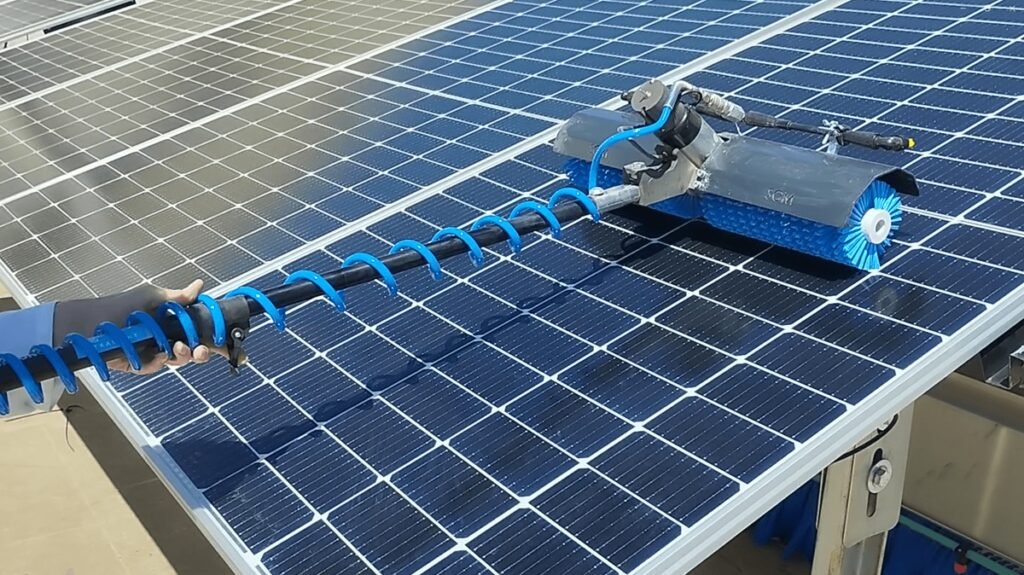
The foundation of any good solar panel kit is a high-quality soft-bristle brush. This is the tool you will reach for most often, and choosing the wrong one is one of the most common mistakes homeowners make.
Hard or abrasive bristles scratch the glass surface of a solar system, creating micro-abrasions that trap dirt even faster over time. A soft bristle brush made from natural or fine synthetic fibers cleans gently without leaving any marks.
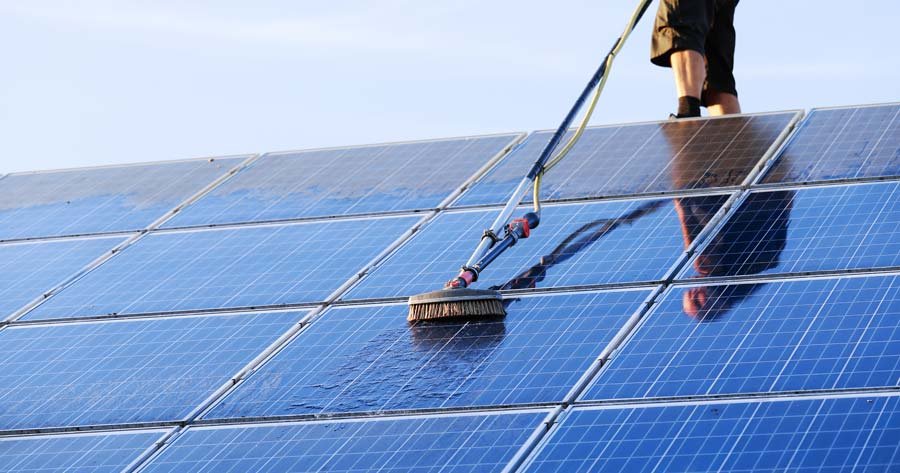
I personally use a brush with a telescoping handle that extends to about 16 feet. This lets me clean ground-mounted and rooftop solar panels without a ladder in most cases. Look for brushes specifically labeled for solar panel cleaning, as they are designed with the right stiffness and material for the job.
The brush should also have a squeegee strip along one side. This dual function lets you scrub with the bristles and then wipe away the water cleanly in a single pass, which saves a lot of time when you are working on a full home solar system array.
Tool 2: Deionized Water System
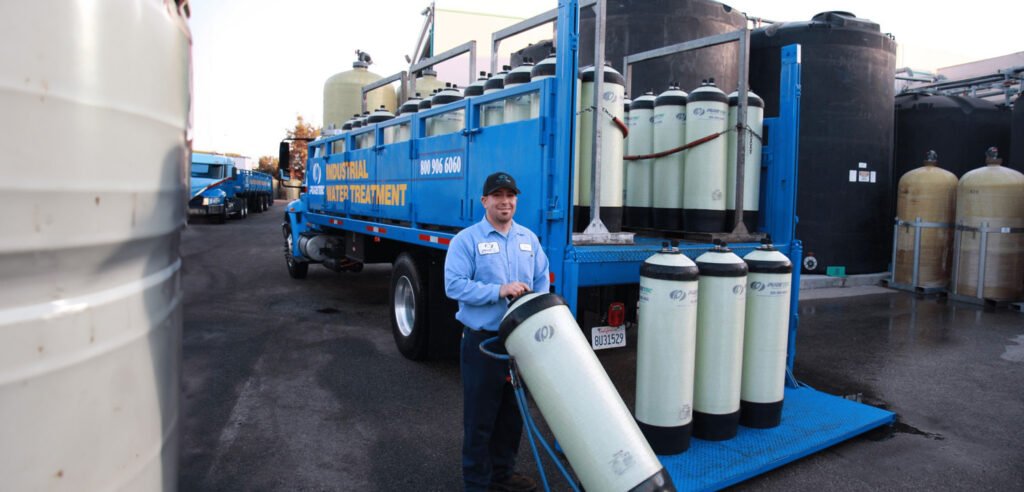
This is the tool that made the biggest difference in my own solar panel cleaning routine. Tap water contains minerals like calcium and magnesium. When tap water dries on a solar panel surface, it leaves behind white mineral spots that are actually harder to remove than the original dirt. Over time, these spots build up and reduce light transmission significantly.
A deionized water system or a pure water-fed pole filters out all those minerals and delivers pure water that evaporates without leaving any residue. The result is a streak-free, spotless solar system every single time.
Pure water-fed poles are popular among professional cleaners and have become affordable enough for home use. The pole connects to your water supply and runs the water through a resin filter before it reaches the brush head. You scrub the solar panel surface and let it air dry—no wiping needed.
For a home solar system with a modest number of panels, a countertop deionized water filter combined with a spray bottle or garden pump sprayer also works well and is more budget-friendly.
Tool 3: Extendable Telescoping Handle
Even if your brush already has a short telescoping handle, investing in a dedicated high-quality extendable pole is worth it. A good telescoping handle is the backbone of safe solar panel cleaning, especially for rooftop installations.
I learned this lesson after trying to use a regular broom handle to reach a section of my solar system array on a low-pitched roof. It was awkward, tiring, and I nearly lost my balance. A proper telescoping pole locks securely at each length increment, is lightweight but sturdy, and gives you proper leverage to scrub without straining.
Look for a pole made from carbon fiber or fiberglass. These materials are lightweight and, importantly, non-conductive, which matters when you are working around an electrical solar system. Aluminum poles conduct electricity and should be avoided near any solar system wiring or junction boxes.
A pole that extends from 6 to 24 feet covers most residential solar panel cleaning needs without requiring you to get on the roof at all.
Tool 4: Solar Panel Cleaning Solution
Water alone handles light dust, but for tougher grime like bird droppings, tree sap, or oily residue, you need a proper cleaning solution. The keyword here is gentle. Never use harsh chemicals, abrasive cleaners, or anything with ammonia on a solar system. These can degrade the anti-reflective coating on the glass and cause long-term damage.
A specifically formulated solar panel cleaning solution is the safest choice. These are pH-neutral, residue-free, and designed not to harm the panel surface or the surrounding roofing materials.
If you do not have a dedicated solution, a tiny amount of mild biodegradable dish soap mixed into your water works in a pinch. Use just a few drops per gallon of water. Too much soap leaves a film that actually attracts dust faster after cleaning.
Some solar panel kit products on the market bundle a cleaning solution with a brush and squeegee, which is a convenient way to start if you are new to solar panel cleaning.
Tool 5: Squeegee with Soft Rubber Blade
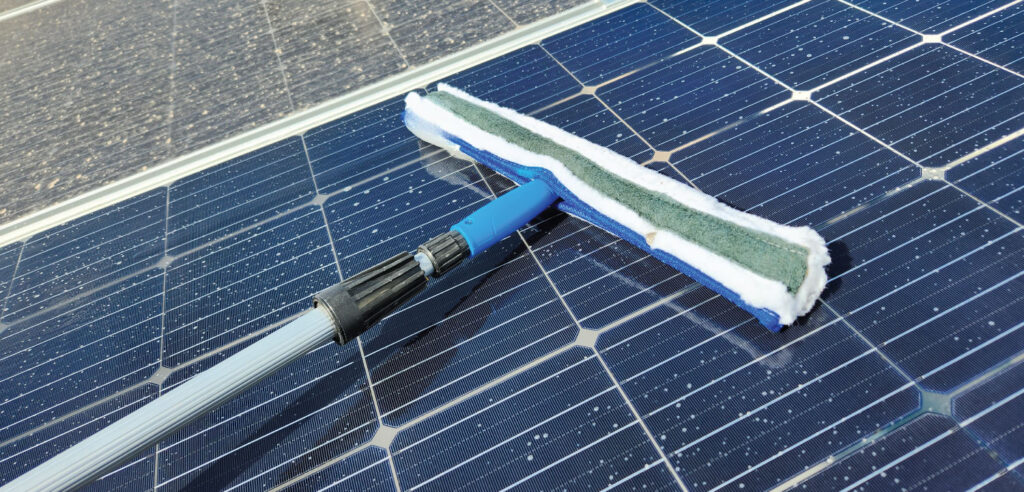
A squeegee is non-negotiable in my solar panel cleaning kit. After scrubbing with the brush, you need to remove the water quickly and cleanly before it dries and leaves spots. A squeegee with a soft rubber blade does exactly that.
The rubber blade should be smooth with no nicks or hard edges that could scratch the solar panel glass. I replace my squeegee blade once a year or any time I notice it leaving streaks, which usually means the rubber has worn unevenly.
Window cleaning squeegees work fine for solar panel cleaning as long as the rubber channel is in good condition. Professional solar system cleaning kits often include an applicator pad on one side and a squeegee on the other, which makes the entire process faster.
For large rooftop solar systems, a squeegee attached to your telescoping pole makes the job fast and streak-free from the ground.
Tool 6: Microfiber Cloth or Chamois
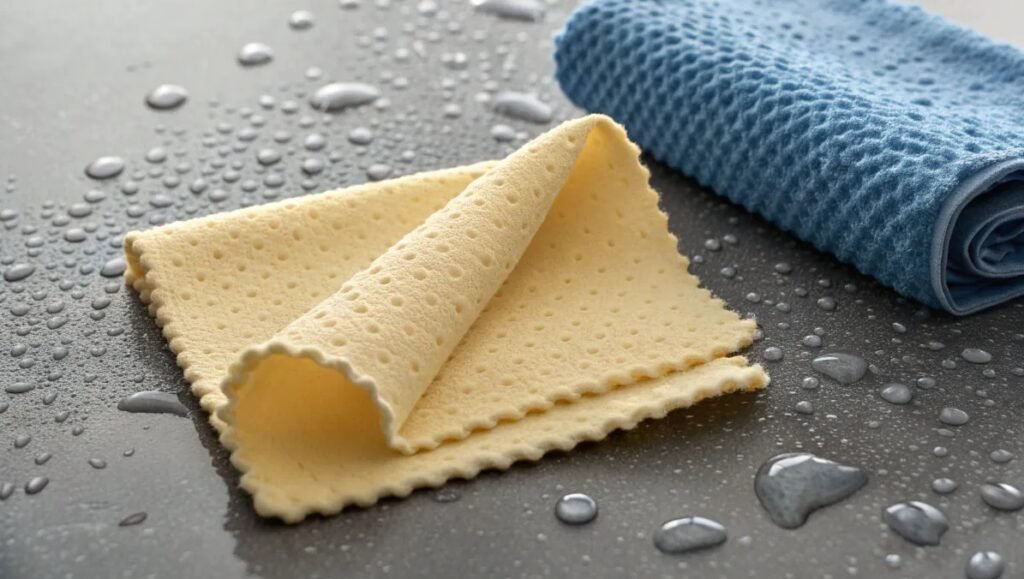
For smaller solar system arrays or for finishing touches, a high-quality microfiber cloth is indispensable. Microfiber traps fine dust particles instead of just pushing them around, and it absorbs water without scratching the glass surface.
I keep a few microfiber cloths in my solar panel cleaning kit specifically for wiping down the frames and edges where the squeegee cannot reach. Grime tends to accumulate in the aluminum frame channels, and leaving it there allows it to creep back onto the panel surface over time.
A chamois cloth is another excellent option for final drying. It leaves zero lint and gives the solar system glass an almost polished appearance. Whether you choose microfiber or chamois, make sure the cloth is clean before use. A cloth that has been used with other cleaning chemicals can transfer residue to your solar panel surface.
At Paradox Smart Tools, microfiber options designed for delicate surfaces like solar panel glass are a popular recommendation because they combine durability with the gentle touch that solar panels require.
Tool 7: Safety Equipment Including Non-Slip Footwear
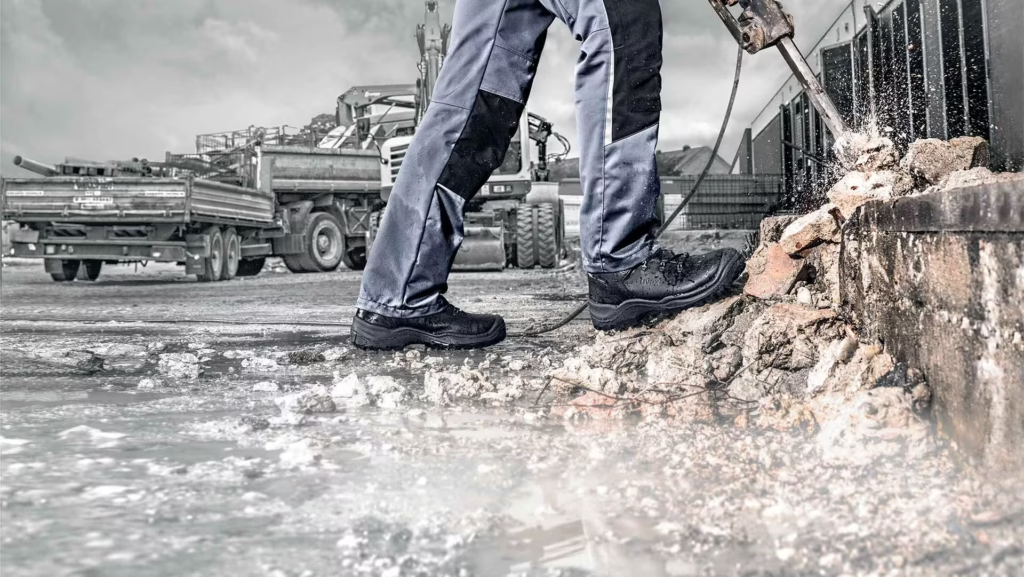
No solar panel cleaning guide is complete without talking about safety. This is the tool that too many homeowners skip, and it is the one that truly matters the most.
Falls from rooftops are one of the leading causes of home injury. A wet solar panel surface is extraordinarily slippery, far more so than regular roofing tiles. If your solar system requires rooftop access, proper safety equipment is not optional.
At minimum, you need non-slip rubber soled footwear with good ankle support. For steeper roofs or longer cleaning sessions, a proper safety harness anchored to a roof anchor point is essential. These are available at most hardware stores and are straightforward to set up.
I also recommend wearing UV-protective sunglasses when working around solar panels in direct sunlight. The reflective glass surface of a solar system concentrates sunlight in unexpected directions and can cause temporary vision problems without eye protection.
For most home solar panel owners, the goal should be to clean from the ground using your telescoping pole system whenever possible. Reserve rooftop access for stubborn spots that cannot be reached otherwise.
Building Your Complete Solar Panel Cleaning Kit
Now that you know the seven essential tools, let me talk about how to put them together into a functional solar panel kit.
You do not need to buy everything at once. Start with the basics: a soft-bristle brush with an extendable handle, a squeegee, and a supply of deionized or filtered water. These three items alone will handle the majority of your solar panel cleaning needs throughout the year.
As your routine becomes more established, add a dedicated solar panel cleaning solution, a good microfiber cloth set, and eventually a pure water-fed pole system if you want the most professional results.
Store your solar panel cleaning tools in a dry location away from direct sunlight and extreme temperature swings. UV exposure degrades rubber squeegee blades and plastic fittings over time. A simple storage bag or plastic tote keeps everything organized and ready for the next cleaning session.
How Often Should You Clean Your Solar Panel
In most residential settings, cleaning your solar panel two to four times per year is sufficient. However, several factors affect how often your specific solar system needs attention.
If you live near a dusty road, agricultural area, or construction site, monthly cleaning may be needed. Homes under large trees deal with sap, bird droppings, and leaf debris that require more frequent attention. Coastal locations deal with salt spray that is particularly harmful to solar system efficiency if left uncleaned.
After major weather events like dust storms, heavy pollen seasons, or periods of low rainfall, inspect your solar panel and clean as needed, even outside your regular schedule.
The best time to clean is early morning or late afternoon when the solar panel surface is cool. Cleaning in midday heat causes water to evaporate too quickly, leaving spots, and can also cause thermal shock if cold water contacts a very hot solar panel surface.
Common Mistakes to Avoid During Solar Panel Cleaning
After years of maintaining my own home solar panel system and researching best practices, I have seen the same mistakes come up repeatedly.
Using a pressure washer is the most damaging mistake. The high pressure can force water into the junction boxes, damage seals, and, in worst cases, crack the solar panel glass. Always use low pressure and gentle flow.
Scrubbing with abrasive pads or steel wool is another serious error. Even if the grime seems stubborn, patience and the right cleaning solution will always be safer than abrasion.
Cleaning during peak sun hours wastes your effort because the heat evaporates water before you can squeegee it away. Schedule your solar system cleaning for cooler parts of the day.
Finally, never walk directly on a solar panel surface. The cells underneath the glass are fragile, and foot traffic cracks them, often invisibly at first, causing a gradual but permanent loss of solar system output.
Solar System Expert’s Opinion
Keeping your solar panel clean is one of the simplest and most effective ways to protect your investment and maximize your energy savings. The seven tools I have shared, a soft bristle brush, a deionized water system, an extendable pole, a proper cleaning solution, a quality squeegee, microfiber cloths, and proper safety gear, give you everything you need to maintain a spotless and highly efficient solar system year after year.
Solar panel cleaning does not require professional service every time. With the right solar panel kit and a consistent routine, you can do it yourself safely, affordably, and effectively. Your home solar panel will reward you with steady energy production, a longer lifespan, and real savings on your electricity bill every single month.
Start with the basics, build your kit over time, and treat your solar panel with the same care you would give any major home appliance. The returns are absolutely worth it.