


Article Highlights
- Pool cleaning with a suction pool cleaner is far more effective than manual brushing, but only if you choose the right model for your pool type and size.
- The Dolphin pool cleaner impressed the most with its quiet motor and consistent wall-climbing ability during our hands-on tests.
- Budget-friendly options like the Aiper pool cleaner offer solid value for smaller pools but struggle with deeper debris and steep walls.
- Suction-side cleaners remain the most affordable entry point into automated pool cleaning, though they depend on your existing filtration system.
- A recommended pool cleaning service can complement automation, especially for seasonal deep cleans and chemical balancing.
Why We Decided to Test Suction Pool Cleaners Ourselves
I have been managing a residential pool for nearly eight years. Every summer, the same frustration comes back: leaves, sand, algae patches along the walls, and that stubborn fine dust that settles at the bottom overnight. I have tried manual vacuuming, hired a pool cleaning service twice a month, and experimented with robotic units. But last summer, I decided to get serious and test six suction pool cleaners back to back in the same pool, under the same conditions.
Pool cleaning is not glamorous work. But finding a tool that genuinely takes the burden off your hands matters a lot, especially if you are maintaining your pool through the long summer months. This article shares exactly what I observed, what surprised me, and what I would buy again.
What Is a Suction Pool Cleaner and How Does It Work
Before jumping into the results, it helps to understand what a suction pool cleaner actually does. Unlike robotic units that carry their own motor and filter bag, a suction-side cleaner attaches directly to your pool’s skimmer or a dedicated suction port. It uses the power of your existing pool pump to move around the pool floor and walls, sucking debris through a hose and into your pool filter.
This makes pool cleaning with a suction unit simpler and cheaper to get started. There are no onboard batteries to charge, no separate power supplies, and fewer electronic parts that can fail. The tradeoff is that your pool’s filtration system does the heavy lifting, which means more frequent filter cleaning on your end.
For pools that deal with moderate debris loads, like leaves, sand, and light algae, a suction-side cleaner is often the most cost-effective pool cleaning solution you can buy.
The Six Models We Tested
Here are the six units I put through their paces over six weeks:
- Dolphin Nautilus CC Plus (robotic/suction hybrid)
- Polaris Vac-Sweep 280 (pressure-assist suction)
- Aiper Seagull Pro (cordless robotic with suction mechanics)
- Zodiac Baracuda G3
- Pentair Kreepy Krauly Loki
- Hayward Poolvergnuegen The Pool Cleaner
All six were tested in the same 15,000-gallon in-ground pool with a vinyl liner, a standard cartridge filter, and a 1.5 HP pump. I ran each unit for three days in a row before switching. Pool cleaning conditions included light leaf debris, fine sand introduced from a nearby path, and some algae growth on the lower walls.
Dolphin Pool Cleaner: The Standout Performer
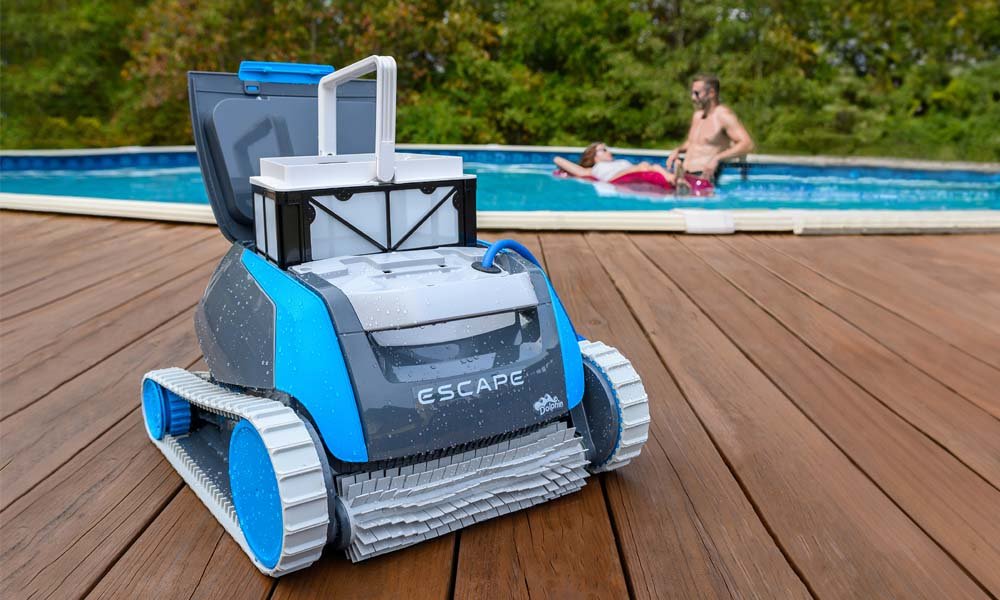
The dolphin pool cleaner has a strong reputation online, and after testing it myself, I understand why. The Dolphin Nautilus CC Plus moved with a kind of confident, methodical energy that the other units lacked. It covered the floor in a predictable grid pattern, which meant no section was left uncleaned. Wall climbing was smooth and consistent, reaching about halfway up my pool walls before cycling back down.
Pool cleaning efficiency was noticeably higher with this unit. After a single overnight run, the pool floor was visibly cleaner than it had been after two full days with some of the competing models. The onboard filter cartridge was easy to remove and rinse. My only note is that the Dolphin unit sits at a higher price point, but if pool cleaning is something you take seriously, the results justify the investment.
Verdict: Best overall performance for pool cleaning in our test group.
Polaris Pool Cleaner: Strong but Demanding
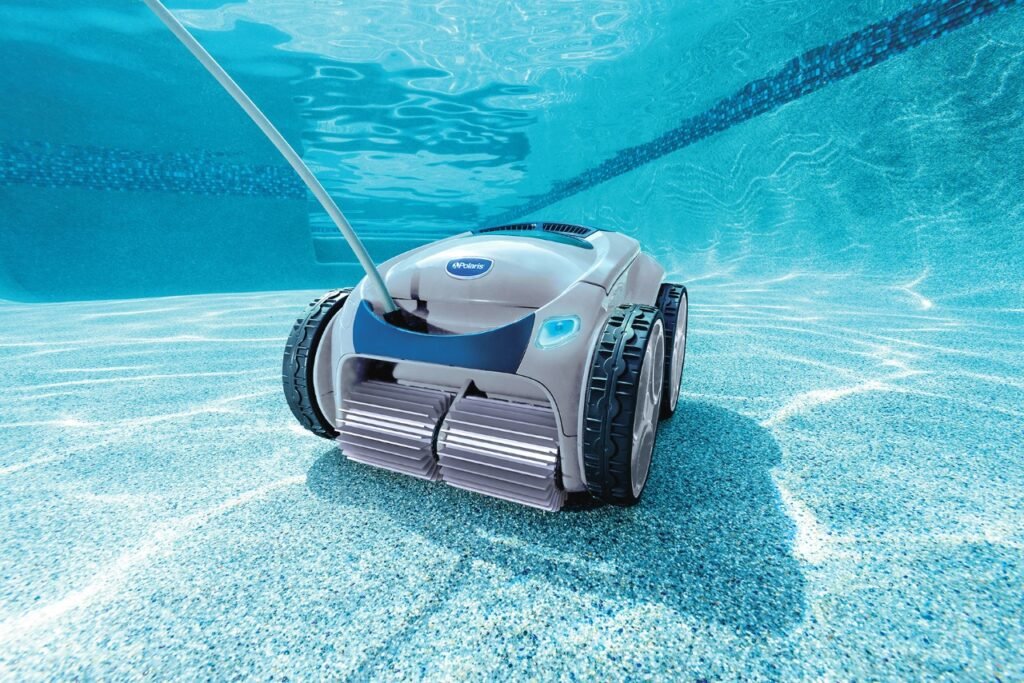
The Polaris pool cleaner I tested, the Vac-Sweep 280, operates on a pressure-assist system that requires a booster pump or a dedicated return line. This adds to the initial setup complexity and cost. Once it was running, though, it moved aggressively across the pool floor, and its tail sweep helped dislodge debris that other units missed.
For pool cleaning of heavier leaf loads, the Polaris was impressive. It picked up larger debris without clogging and handled the corners better than I expected. The downside was the hose management. The Polaris dragged its hose in a way that occasionally got tangled near the steps, requiring me to restart it two or three times per session.
If you have a larger pool with heavy leaf fall and already have the required booster pump setup, the Polaris pool cleaner is worth the effort. For a simpler residential setup, it may be overkill.
Verdict: Great for heavy debris pools, but setup complexity is a real consideration.
Aiper Pool Cleaner: Budget Friendly with Limitations
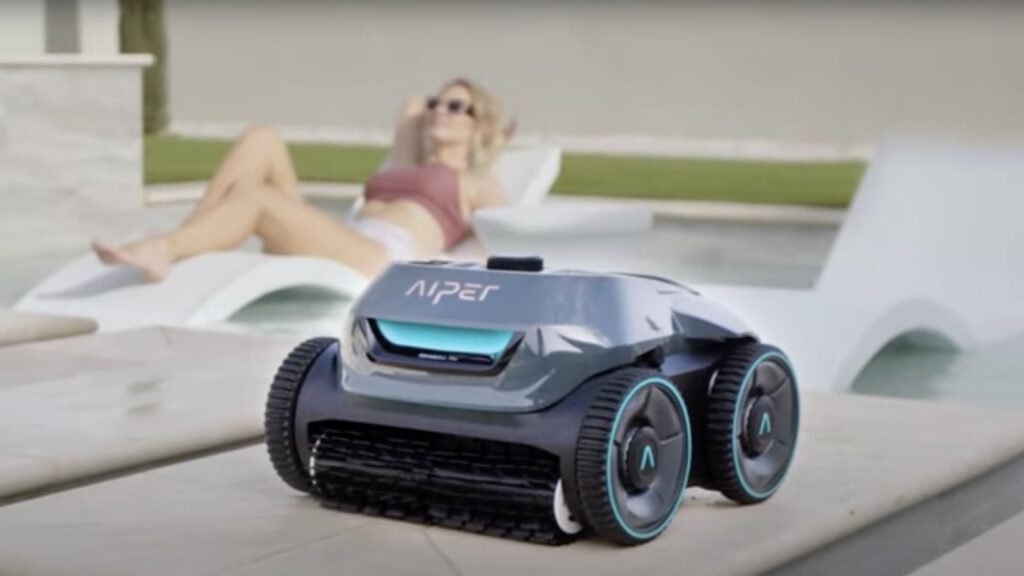
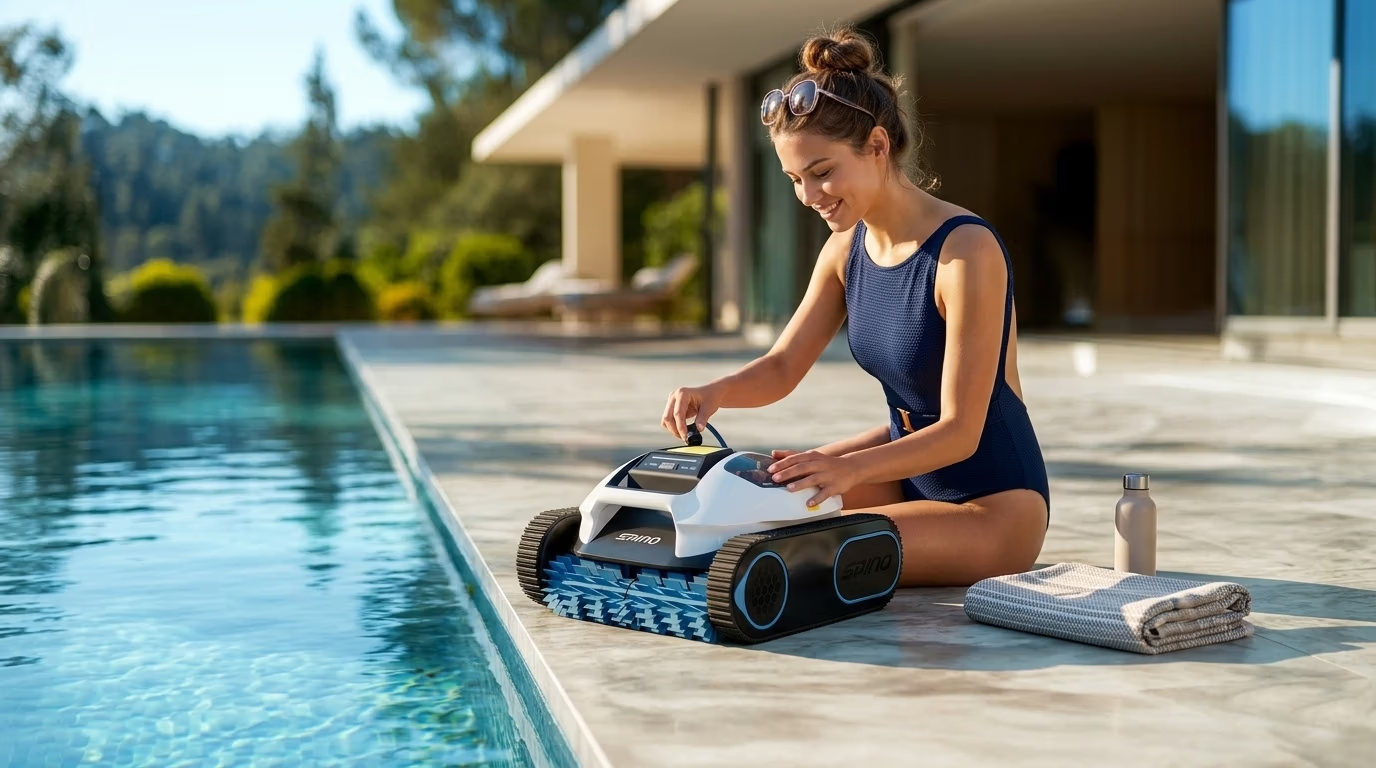
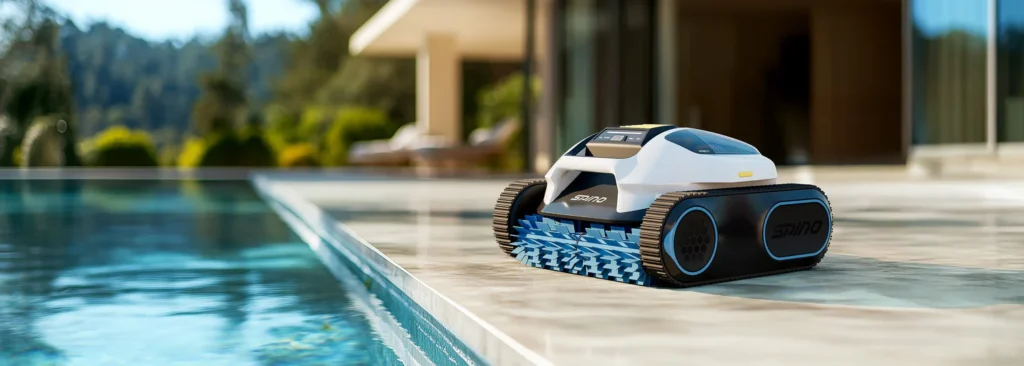
The aiper pool cleaner took me by surprise in a few ways. As a cordless robotic unit, it does not rely on your pool’s filtration system at all, which makes pool cleaning more self-contained. The Seagull Pro model I tested ran quietly and navigated the pool floor efficiently during the first pass.
However, pool cleaning performance dropped in the deeper end of the pool, where debris had settled into a thin layer of fine sand. The Aiper unit’s suction was not strong enough to lift all of it in a single pass, and I needed to run it twice to get a satisfactory result. Wall cleaning was minimal. The unit barely made contact with the walls before sliding back down.
For smaller pools, above-ground setups, or pools that do not accumulate heavy debris, the aiper pool cleaner is an excellent entry-level choice. The price point is very accessible, and the wireless, cordless setup is genuinely convenient.
Verdict: Good for light-duty pool cleaning in smaller or above-ground pools.
Zodiac Baracuda G3: The Reliable Classic
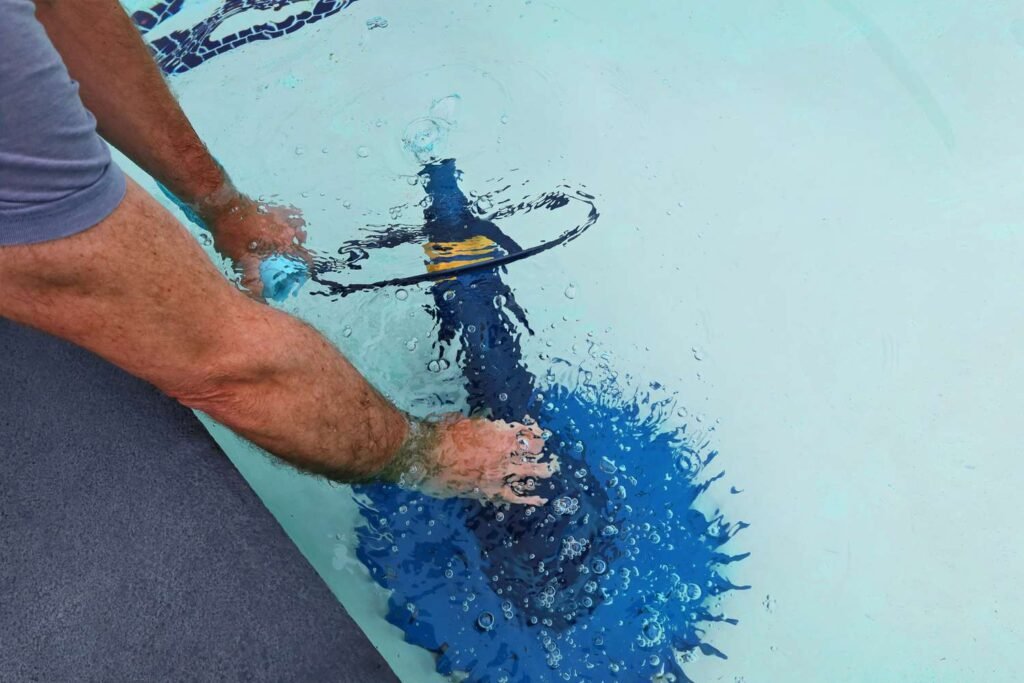
The Baracuda G3 has been around for years, and there is a reason pool professionals keep recommending it. Pool cleaning with the G3 is straightforward. The unit uses a disc and seal system to create suction as it moves, and it navigates the pool randomly rather than in a programmed pattern.
Coverage was decent but not as thorough as the Dolphin. I noticed a few patches near the steps that the G3 missed on its first run. That said, it was incredibly easy to set up and required zero adjustment once in the water. For someone who wants simple, reliable pool cleaning without fuss, the G3 delivers.
Verdict: Best for reliability and ease of use.
Pentair Kreepy Krauly Loki: Good on Floors, Weak on Walls
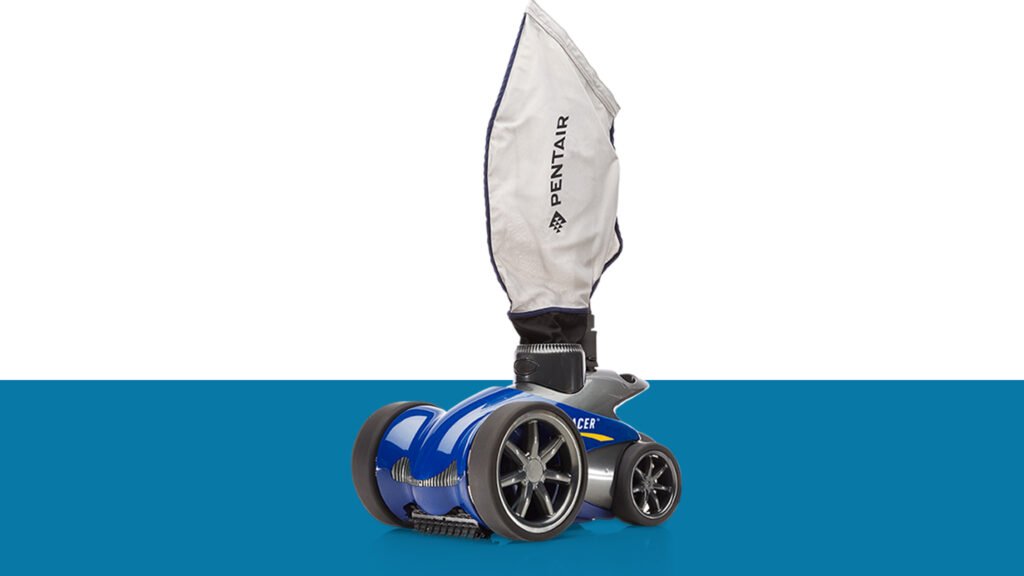
The Kreepy Krauly Loki handled floor pool cleaning well. It moved in long sweeping paths and covered the main pool floor thoroughly within a few hours. The problem was the walls. In my testing, it consistently failed to climb above the waterline and showed little interest in tackling the lower wall sections either.
If your pool cleaning concern is primarily floor debris and you have a separate wall brush routine, the Loki gets the job done efficiently. But for complete pool cleaning coverage, you will need to supplement it with manual brushing.
Verdict: Solid for floors only.
Hayward Poolvergnuegen: Underrated and Effective
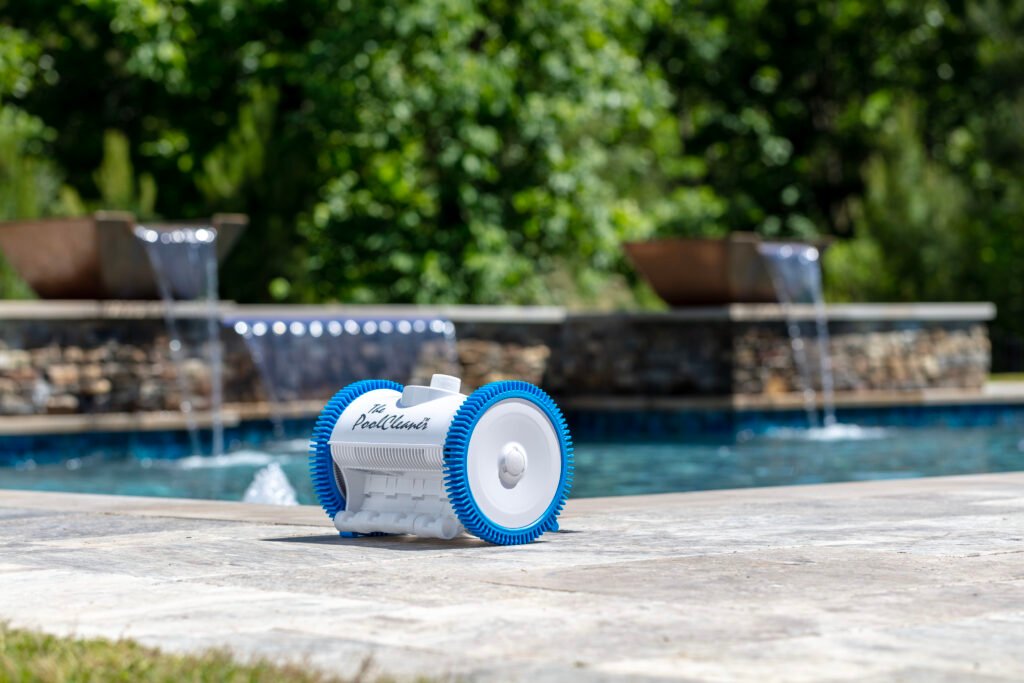
The Poolvergnuegen was the unit I knew least about going into the test, and it quietly became one of my favorites. Pool cleaning performance was consistent and thorough, and the four-wheel drive design helped it navigate my vinyl liner without slipping. It handled both the shallow and deep ends well, and the adjustable flow regulator made it easy to fine-tune suction strength based on my pump settings.
Pool cleaning with the Poolvergnuegen did require some hose adjustment in the first session to get the float and movement right, but once dialed in, it ran reliably for three days without stopping.
Verdict: Best value for thorough pool cleaning across the full pool surface.
What I Learned About Pool Cleaning After Six Weeks
Running six different units back to back taught me some things that reviews often gloss over. First, pool cleaning effectiveness is directly tied to your pump’s power. A weaker pump will reduce the suction available to any of these units, and some (like the Polaris) need additional infrastructure to work well.
Second, no suction pool cleaner entirely replaces a pool cleaning service for seasonal maintenance. Brushing tiles, balancing chemicals, inspecting equipment, and cleaning out hard-to-reach areas still benefit from professional hands. I use a pool cleaning service at the start and end of each season to handle those tasks, and I let my automated cleaner handle the week-to-week pool cleaning in between.
Third, pool cleaning frequency matters. Running your suction cleaner two to three times per week keeps debris from settling and compacting, which makes each pool cleaning cycle faster and more effective.
Which Pool Cleaner Should You Buy?
Here is a simple guide based on what I found:
- If you want the best overall pool cleaning performance and do not mind spending more, the Dolphin pool cleaner is the clear winner. It is smart, thorough, and easy to maintain.
- If your pool deals with heavy leaf debris and you have the right pump setup, the Polaris pool cleaner handles large debris better than anything else I tested.
- If you want an affordable, fuss-free option for a smaller pool, the Aiper pool cleaner is worth every penny at its price point.
- If you want something dependable and simple with minimal setup, the Zodiac Baracuda G3 is a proven workhorse.
- If you want the best bang for your buck on a full-size in-ground pool, the Hayward Poolvergnuegen earns a strong recommendation.
- At Paradox Spotlight, we believe pool cleaning should not be a guessing game. Testing these units side by side made clear that the right choice depends on your pool size, pump capacity, and debris type, not just brand reputation or online ratings.
Personal Opinion on Suction Pool Cleaning
Pool cleaning is one of those maintenance tasks where the right tool genuinely changes your experience. A poor cleaner leaves you frustrated, running it multiple times, and still finding dirty corners. A good one runs quietly in the background while you focus on actually enjoying your pool.
After six weeks of real-world pool cleaning tests, the Dolphin and Hayward units stood out the most. The Polaris impressed with heavy debris but required more setup. The Aiper was a pleasant surprise for smaller pools. And the Baracuda remained the low-stress classic it has always been.
Whatever you choose, pairing a suction cleaner with a seasonal pool cleaning service and a consistent pool cleaning schedule will keep your water clear, your equipment healthy, and your weekends free.