


Article Highlights
- Healthy soil is the base of every successful Home Garden.
- Compost helps plants grow naturally and improves soil life.
- Smart watering keeps your Home Garden fresh and strong.
- Natural pest control protects plants without harsh chemicals.
- Seasonal care keeps your Home Garden beautiful all year.
Improve Your Home Garden Naturally
A Home Garden is more than a small green space around your house. It is a peaceful place where you can grow flowers, vegetables, herbs, and plants that make daily life feel fresh. I have seen that even a small Home Garden can change the look and mood of a home when it is cared for in the right way.
Many people think gardening needs expensive tools, strong chemicals, or expert knowledge. In real life, a healthy Home Garden often grows better with simple and natural care. When you understand your soil, water your plants wisely, reuse kitchen waste, and protect plants gently, your garden starts improving on its own.
At Spotlight, we believe natural gardening is not only good for plants but also good for families and the environment. Whether you visit a Home Depot garden center, explore a garden center at the Home Depot, attend a home and garden exhibition, or get ideas from a home and garden show, the best results still come from daily care and simple habits.
1. Start with Healthy Soil
The first thing I always notice in any Home Garden is the soil. If the soil is dry, hard, or lifeless, plants do not grow well. Healthy soil holds moisture, gives roots space to breathe, and provides natural food to plants.
Before planting anything, touch the soil with your hand. Good soil should feel soft, slightly moist, and crumbly. If it feels too sandy, water may pass through too quickly. If it feels too sticky, roots may not get enough air. A strong Home Garden starts when the soil is balanced.
You can improve soil naturally by adding compost, dry leaves, grass clippings, and old plant waste. These materials slowly break down and feed the soil. Over time, your Home Garden becomes richer without needing chemical fertilizers.
I have observed that plants in naturally improved soil look greener and stronger. Their roots spread better, and they can handle heat and weather changes more easily. This is why soil care should always come before buying new plants.
2. Use Compost Instead of Wasting Kitchen Scraps
Compost is one of the easiest ways to improve a Home Garden naturally. Instead of throwing away fruit peels, vegetable scraps, tea leaves, and eggshells, you can turn them into plant food. Compost adds nutrients to the soil and helps plants grow cleanly and safely.
You do not need a large compost system. A small bin in a corner of your Home Garden is enough. Add green waste like fruit and vegetable peels, then mix it with dry waste like leaves or shredded paper. Keep it slightly moist and turn it sometimes so air can move through it.
After some weeks, the waste changes into dark, rich compost. This compost can be mixed into garden beds, pots, or around plants. It improves the soil and reduces the need for store-bought products.
Many gardeners visit places like Home Depot, Garden Ridge, or local garden shops for products, but homemade compost is still one of the most useful things you can add to a Home Garden. It is natural, low-cost, and safe for vegetables, herbs, and flowers.
3. Water Your Plants the Right Way
Watering looks simple, but it can make a big difference in your Home Garden. Many plants suffer not because they get too little water, but because they are watered at the wrong time or in the wrong way.
The best time to water a Home Garden is usually early morning. At this time, the soil can absorb water before the sun becomes too strong. Evening watering can also work, but wet leaves overnight may sometimes attract disease.
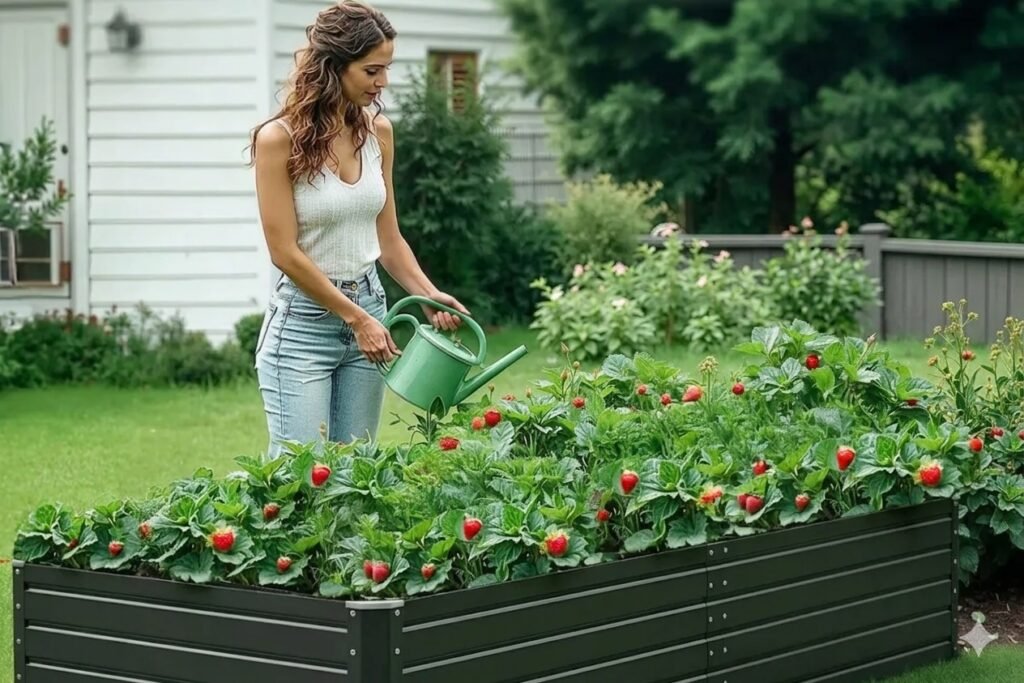
Try to water the soil instead of the leaves. Roots need water the most, so direct the water near the base of the plant. Deep watering helps roots grow deeper and stronger. Light watering every few hours can make roots weak because they stay near the surface.
A useful habit is to check the soil before watering. Push your finger about one inch into the soil. If it feels dry, your Home Garden may need water. If it feels moist, wait a little longer. This simple check prevents overwatering and keeps plants healthier.
4. Control Pests Naturally
Every Home Garden faces pests at some point. Small insects, snails, and plant diseases can damage leaves, flowers, and vegetables. The natural way to handle this is to observe your garden often and act early.
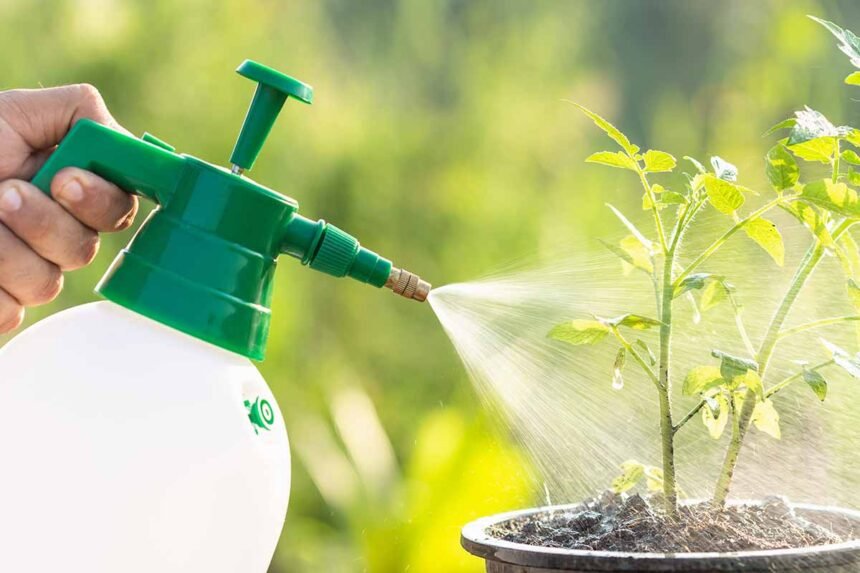
Look under leaves, around stems, and near the soil. If you notice pests early, you can remove them by hand or spray plants with mild soapy water. Many gardeners also use neem oil as a natural option, but it should be applied carefully and not in strong sunlight.
Another good method is to grow helpful plants. Marigolds, basil, mint, and lavender can support a Home Garden by attracting useful insects or keeping some pests away. These plants also add beauty and fragrance.
Avoid using harsh chemicals unless there is no other choice. Strong sprays can harm good insects, soil life, and even the plants themselves. A natural Home Garden depends on balance, and balance comes from patience, observation, and gentle care.
5. Grow the Right Plants for Your Space
A successful Home Garden does not need rare or expensive plants. It needs the right plants for the right place. Before buying seeds or plants, look at your available space, sunlight, and weather.
Some plants need full sunlight for many hours. Others grow better in partial shade. If your Home Garden gets strong sunlight, tomatoes, peppers, basil, roses, and sun-loving flowers may do well. If your space has more shade, leafy greens, mint, ferns, and shade-friendly plants can be better choices.
You should also think about your routine. If you are busy, choose low-maintenance plants. If you enjoy daily care, you can grow vegetables, herbs, and seasonal flowers. A Home Garden should match your lifestyle, not become a stressful task.
When people attend a home and garden show or home and garden exhibition, they often feel inspired by beautiful displays. These ideas are useful, but your own Home Garden should be planned according to your space, time, and local conditions.
Extra Natural Tips for a Better Home Garden
Mulching is a simple habit that helps your Home Garden stay healthy. You can place dry leaves, straw, wood chips, or grass clippings on top of the soil. Mulch keeps moisture in the soil, protects roots from heat, and reduces unwanted weeds.
Pruning is also important. Remove dry leaves, weak branches, and dead flowers. This keeps plants clean and encourages new growth. A neat Home Garden is easier to manage and less likely to attract disease.
You can also collect rainwater if it is safe and allowed in your area. Rainwater is soft and natural, and many plants respond well to it. Using rainwater also reduces water waste.
Rotate plants when growing vegetables. Do not grow the same type of vegetable in the same place every season. This helps protect soil nutrients and reduces pest problems.
Why Natural Gardening Is Better
Natural gardening is better because it works with nature instead of against it. A Home Garden that depends less on chemicals becomes safer for children, pets, bees, butterflies, and birds.
Natural methods may take a little more time, but the results are healthier and longer-lasting. You build better soil, stronger plants, and a cleaner outdoor space. Over time, your Home Garden becomes easier to care for because the soil and plants support each other.
Another benefit is cost savings. Composting, mulching, seed saving, and natural pest control reduce the need to buy too many products. Even if you visit a home depot garden center or garden center at the home depot for tools and supplies, many important gardening improvements can be done at home with simple materials.
Common Mistakes to Avoid in a Home Garden
One common mistake is planting too many plants in a small space. Plants need air and room to grow. If they are crowded, they may become weak or attract pests.
Another mistake is watering too much. Wet soil can damage roots and cause plant disease. Always check the soil before watering.
Many beginners also ignore sunlight. A plant that needs sun will not grow well in deep shade. A shade-loving plant may burn in harsh sunlight. Understanding light is one of the easiest ways to improve your Home Garden.
Some people use fertilizer too often. More fertilizer does not always mean better growth. Natural compost and healthy soil are usually better for long-term plant health.
Expert’s Opinion
Improving your Home Garden naturally does not have to be difficult. Start with the soil, make compost, water wisely, control pests gently, and choose plants that match your space. These five easy tips can make your garden healthier, greener, and more enjoyable.
A Home Garden grows best when you care for it with patience. Small daily actions bring big results over time. You do not need to copy a perfect garden from a magazine or event. Your own Home Garden can become beautiful in its own simple and natural way.
When you work with nature, your plants respond better. The soil becomes richer, the flowers look brighter, and the whole space feels more alive. That is the real beauty of a natural Home Garden.