


5 Article Highlights / Key Points
- A reverse mortgage allows homeowners aged 62 or older to convert home equity into tax-free cash without selling their home or making monthly mortgage payments.
- The loan only becomes due when the homeowner moves out permanently, sells the home, or passes away.
- Eligibility depends on age, home equity, property type, and completion of a HUD-approved counseling session.
- While a reverse mortgage offers real financial relief in retirement, it comes with costs such as closing fees, insurance premiums, and a reduced inheritance for heirs.
- A reverse mortgage is not a one-size-fits-all solution and requires careful comparison with alternatives like home equity loans or downsizing.
What Is a Reverse Mortgage?
Opening: A Financial Tool Worth Understanding
I remember sitting with my neighbor, a retired teacher in her mid-seventies, as she explained how a reverse mortgage changed her retirement. She had a paid-off home, a modest pension, and rising medical bills. She did not want to sell her house and move away from the neighborhood she had lived in for thirty years. A reverse mortgage gave her access to her home equity while letting her stay right where she was.
That conversation stuck with me. A lot of people have heard the term but do not fully understand how it works, who benefits, and what risks it entails. This article covers all of that in plain, honest language so you can make a well-informed decision.
What Is a Reverse Mortgage?
A reverse mortgage is a type of home loan available to homeowners aged 62 or older. It allows them to borrow against the equity they have built in their home over the years. Unlike a traditional mortgage, where you make monthly payments to a lender, a reverse mortgage works the other way: the lender makes payments to you or provides a lump sum or line of credit.
The key difference is that a reverse mortgage does not require monthly repayment. The loan balance grows over time as interest accumulates. The full loan amount becomes due only when the last borrower permanently leaves the home, sells the property, or passes away.
The most common type is the Home Equity Conversion Mortgage, known as a HECM, which is backed and insured by the Federal Housing Administration. There are also proprietary reverse mortgages offered by private lenders, typically for higher-value homes, and single-purpose reverse mortgages offered by state or local government agencies for specific uses, such as home repairs.
How Does a Reverse Mortgage Actually Work?
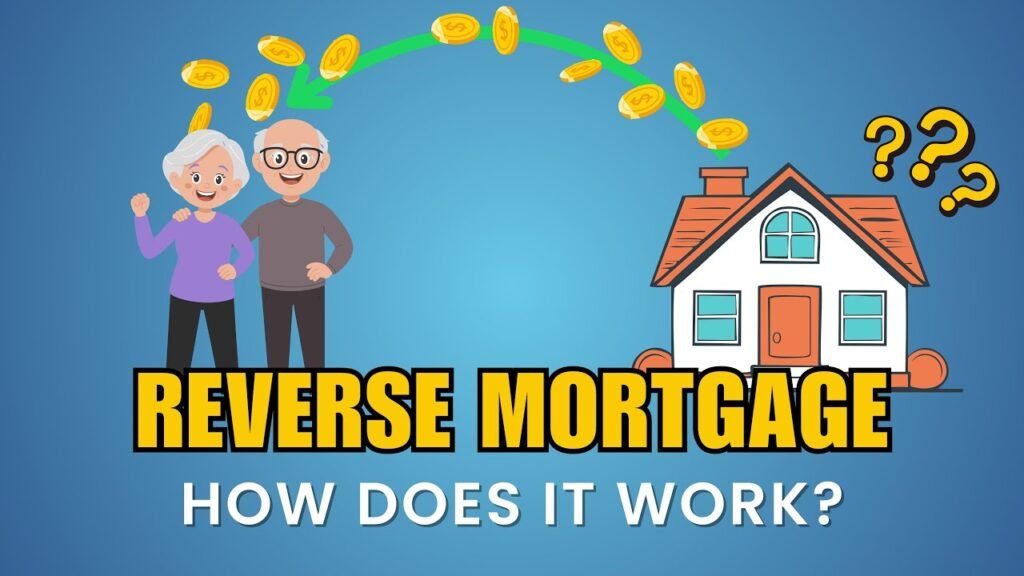
When you take out a reverse mortgage, the lender calculates how much you can borrow based on several factors, including your age, the appraised value of your home, current interest rates, and the type of reverse mortgage you choose. The older you are and the more equity you have, the more you can generally receive.
You can choose to receive your funds in several ways. Some people prefer a lump sum payment, which gives them immediate access to a large amount of cash. Others prefer monthly payments, which act like a regular income stream. A line of credit is another popular option that lets you draw funds as you need them, and the unused portion can grow over time.
Throughout the life of the reverse mortgage, you remain the owner of your home. However, you are still responsible for paying property taxes and homeowners’ insurance, and for maintaining the property in good condition. Failing to meet these obligations can put the loan in default.
Who Is Eligible for a Reverse Mortgage?
Eligibility for a reverse mortgage has specific requirements that every applicant must meet.
Age Requirement: The primary borrower must be at least 62 years old. If a spouse is younger than 62, they may still qualify as a non-borrowing spouse under certain HUD protections, but the loan amount may be lower.
Home Ownership and Equity: You must own your home outright or have significant equity in it. If you still have a remaining mortgage balance, it must be paid off either before or at closing, often using the proceeds from the reverse mortgage itself.
Primary Residence: The home must be your primary residence. You cannot use a reverse mortgage on a vacation home or an investment property. You also must live in the home for the majority of the year.
Property Type: The property must meet FHA standards. Eligible property types include single-family homes, HUD-approved condominiums, manufactured homes built after June 1976, and properties with up to four units where the borrower lives in one unit.
Financial Assessment: Lenders are required to perform a financial assessment to determine whether you can keep up with ongoing property charges like taxes and insurance. This was introduced to reduce the number of defaults.
Counseling Session: Before a reverse mortgage can be processed, you must complete a counseling session with a HUD-approved housing counselor. This session ensures you fully understand how the loan works, what the costs are, and what alternatives are available. It is not optional, and it is one of the most valuable steps in the process.
The Real Benefits of a Reverse Mortgage
Having watched several retirees navigate this decision, I can say the benefits are genuine when the product is used wisely.
Supplemental Retirement Income: For many seniors living on a fixed income from Social Security or pensions, a reverse mortgage provides a meaningful financial cushion. It can cover daily living expenses, healthcare costs, and home improvements, or provide peace of mind by offering a financial buffer.
No Monthly Mortgage Payments: This is often the most attractive feature. You are not required to make monthly payments on the loan. Cash flow improves significantly when a monthly mortgage or rent obligation disappears from your budget.
You Keep Your Home: A reverse mortgage does not require you to sell or vacate your home. You continue to live there as long as you meet the loan’s basic obligations. For many older homeowners, staying in a familiar environment is not just a preference but an emotional necessity.
Tax-Free Proceeds: The money you receive from a reverse mortgage is considered loan proceeds, not income. This means it is generally not subject to federal income tax. It also typically does not affect Social Security or Medicare benefits, though it could affect Medicaid eligibility depending on how the funds are used.
Non-Recourse Protection: A reverse mortgage is a non-recourse loan. This means if the loan balance grows to exceed the value of the home when it is eventually sold, neither you nor your heirs are personally liable for the difference. FHA insurance covers that gap for HECMs.
Flexible Disbursement Options: The ability to choose how you receive your money is a genuine advantage. Whether you need a large amount for a specific expense or prefer a steady monthly income, the reverse mortgage can be structured to fit your situation.
The Risks and Drawbacks You Should Know
Honesty matters here. A reverse mortgage is not without its complications, and I have also seen it cause problems when taken out without a full understanding.
Growing Loan Balance: Because you are not making payments, the interest compounds over time. The loan balance can grow significantly, sometimes consuming much or all of the home equity over the years. This is something borrowers and their families need to anticipate.
Impact on Heirs: If leaving your home to your children or other heirs is important to you, a reverse mortgage complicates that. When you pass away, heirs have a limited time to repay the loan balance and keep the property. If they cannot repay it, the home is typically sold. This is often the most difficult conversation for families to have.
Upfront and Ongoing Costs: A reverse mortgage comes with costs that can be substantial. These include origination fees, mortgage insurance premiums, closing costs, and ongoing servicing fees. These are often rolled into the loan, which means they reduce the equity you have available and add to the balance over time.
Risk of Default: Even though there are no monthly payments, you can still default on a reverse mortgage. Failure to pay property taxes, maintain homeowners’ insurance, or keep the home in reasonable condition can trigger a loan recall. This is not a rare occurrence, and it has resulted in foreclosures for unprepared borrowers.
Complexity and Potential for Misunderstanding: The product is genuinely complex. There have been cases where older homeowners did not fully understand what they were signing up for. This is one reason the mandatory counseling session exists, and it is also why reading everything carefully and asking questions matters so much.
Effect on Medicaid: While a reverse mortgage generally does not affect Social Security or Medicare, it can affect Medicaid eligibility. If you deposit loan proceeds into a bank account and they sit there, they may be counted as an asset that disqualifies you from Medicaid benefits. Planning around this is important.
Reverse Mortgage vs. Other Options
A reverse mortgage is not the only way to access home equity in retirement. It is worth comparing it to other options before deciding.
A home equity loan or home equity line of credit, commonly called a HELOC, allows you to borrow against your equity while making monthly payments. These may make more sense if you have the income to handle payments and want to preserve more equity for heirs.
Downsizing is another path. Selling a larger home and buying a smaller, less expensive one can free up a significant amount of cash and reduce ongoing costs like property taxes and maintenance.
Renting out part of your home can generate income without creating debt. For some homeowners, this is a practical middle ground.
The right choice depends entirely on your financial situation, health, family circumstances, and long-term goals. At Mid Paradox Finance Guide, we believe every financial decision should be grounded in honest, complete information rather than sales pressure or oversimplification.
Who Should Seriously Consider a Reverse Mortgage?
Based on how this product works and who benefits most, a reverse mortgage tends to make the strongest sense for homeowners who have substantial equity in their homes, plan to stay in that home for many years, do not have heirs who depend on inheriting the property, have limited liquid savings or retirement income, and have already explored other options and found them less suitable.
If you are house-rich and cash-poor, as the saying goes, and you plan to age in place, a reverse mortgage can genuinely improve your quality of life in retirement.
Steps to Take Before Applying
If you are considering a reverse mortgage, here is a practical approach to getting started. Start by educating yourself thoroughly. Read materials from reliable sources, including the Consumer Financial Protection Bureau and HUD. Speak with a HUD-approved counselor, as this is required anyway and provides personalized guidance.
Get multiple quotes from different lenders and compare not just the interest rates but all associated costs. Ask specific questions about what happens if you need to move into a care facility, how the loan affects your estate, and what your heirs will need to do.
Involve your family in the conversation. A reverse mortgage affects more than just you, and bringing heirs into the discussion early prevents misunderstandings and resentment later. Work with a financial planner or elder law attorney who can help you understand how a reverse mortgage fits into your overall retirement and estate plan.
Financial Expert’s Opinion

A reverse mortgage is one of those financial products that can be genuinely life-changing in the right circumstances and genuinely harmful in the wrong ones. The difference usually comes down to how well-informed the borrower is before signing anything.
From everything I have seen and studied, the people who benefit most from a reverse mortgage are those who go in with clear eyes, realistic expectations, full knowledge of the costs, and a plan for how the loan fits into their broader financial life.
If you are 62 or older, own your home, and find yourself struggling to stretch a fixed income, it is absolutely worth learning more about whether a reverse mortgage could help you. Just make sure you take the time to understand it completely before making a decision.
Article written for informational purposes. Always consult a qualified financial advisor or HUD-approved housing counselor before making decisions about a reverse mortgage.