
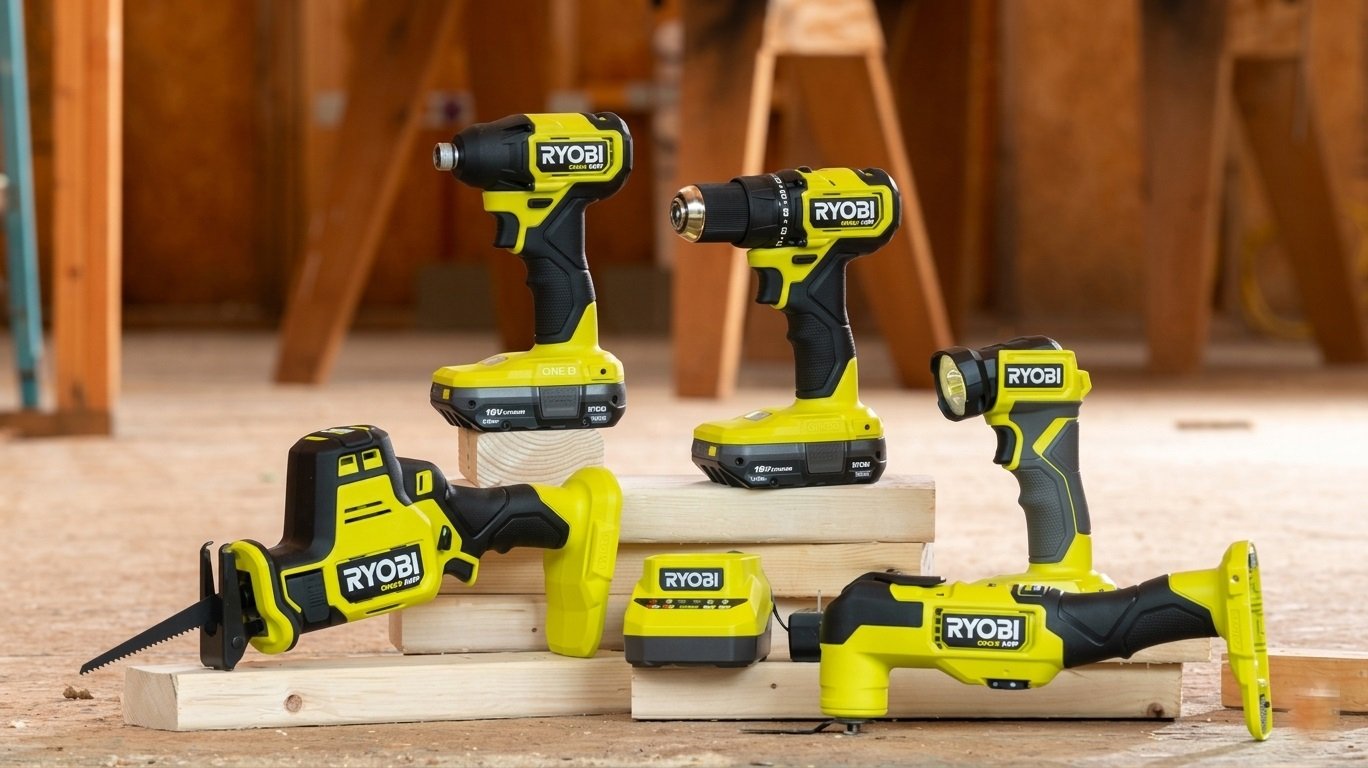


Article Highlights / Key Points
- Small 18V batteries from Ryobi Tools are lightweight, affordable, and perfectly matched to everyday compact tools.
- Ryobi Tools like the drill driver and circular saw perform surprisingly well on compact 18V power without sacrificing results.
- Owning multiple Ryobi Tools in the ONE+ system means one battery type works across your entire tool collection.
- For light to medium tasks around the home and workshop, small 18V batteries offer excellent runtime and convenience.
- The value of investing in Ryobi Tools with small 18V batteries comes from the long-term cost savings and system compatibility.
Introduction
There is a moment every DIYer knows well. You reach for your drill, and the battery is either dead or too heavy for the quick task you have in mind. I went through this exact frustration before I started paying closer attention to how I was building my tool collection. That experience led me to really examine what Ryobi Tools offers when you pair them with the smaller 18V batteries in their lineup.
A lot of people assume that bigger batteries always mean better performance. I used to think the same way. But after spending a good amount of time working with Ryobi Tools around my garage, on weekend projects, and through a handful of home improvement jobs, I realized that the compact 2.0Ah and even 1.5Ah 18V batteries are genuinely useful in the right situations. They are not a compromise. They are a smart choice for the right set of tools.
This article walks through seven specific Ryobi Tools that I believe prove this point clearly. If you have been on the fence about picking up a smaller battery pack or building a compact kit, these tools might change how you think about your setup.
Why Small 18V Batteries Get Underestimated
Before getting into the specific tools, it is worth addressing why compact batteries have such a mixed reputation. Most of the criticism comes from people who have tried using them with high-demand tools like large circular saws or rotary hammers. In those cases, the smaller battery drains quickly, and the complaint is valid.
But Ryobi Tools are designed with an ecosystem approach in mind. The ONE+ platform covers everything from heavy-duty power tools to light handheld devices, and not every tool in that system demands a big battery. The smaller packs weigh around half a pound less than the larger options, which sounds minor until you are holding a tool overhead for twenty minutes.
The other advantage is cost. A compact 18V battery typically costs significantly less than a high-capacity pack. If you are building a collection of Ryobi Tools over time, being able to grab a smaller battery alongside a compatible tool without spending a lot upfront is genuinely helpful. At Paradox Smart Tools, we often talk about how the best tool investment is one that fits your actual workflow, not the most powerful option on the shelf.
1. Ryobi 18V ONE+ Cordless Screwdriver
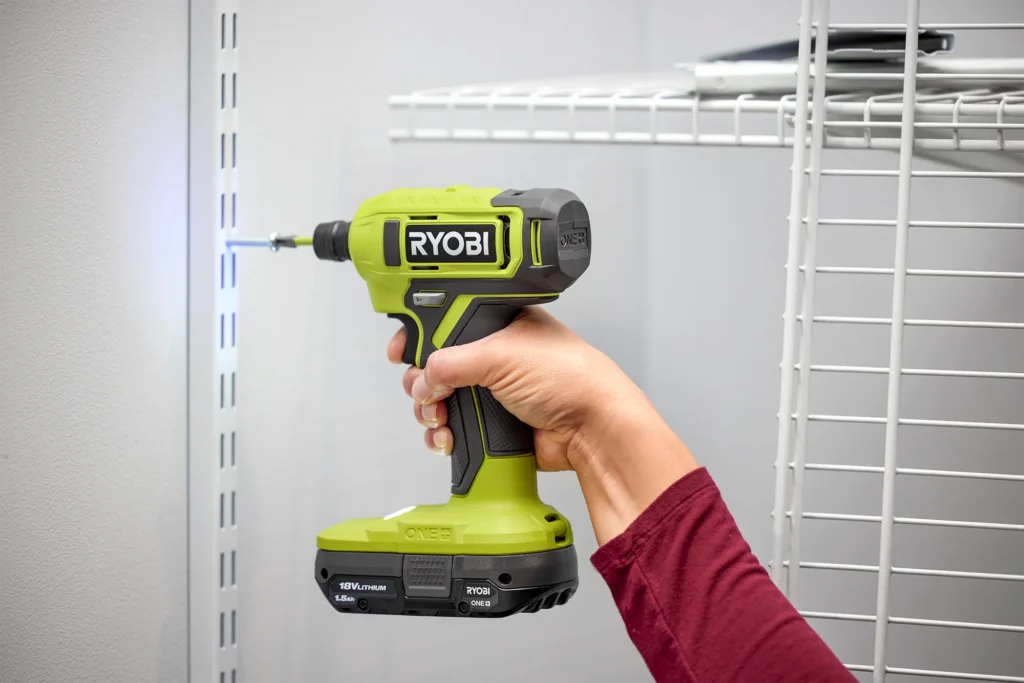
The compact screwdriver is probably the clearest example of a tool that is made better by a small battery. When I use this tool for assembling flat-pack furniture or driving screws into drywall, I want it to feel light and easy to maneuver. Slapping a large 4.0Ah battery onto a handheld screwdriver defeats the purpose entirely.
Ryobi Tools engineered the ONE+ screwdriver to work with exactly this kind of compact pack. The tool itself is slim, the battery keeps the balance right, and the runtime is more than enough for typical screwdriving sessions. I have assembled full shelving units on a single compact charge without issue. This is one of those Ryobi Tools where the small battery is not just acceptable. It is the preferred choice.
2. Ryobi 18V Cordless Multi-Tool
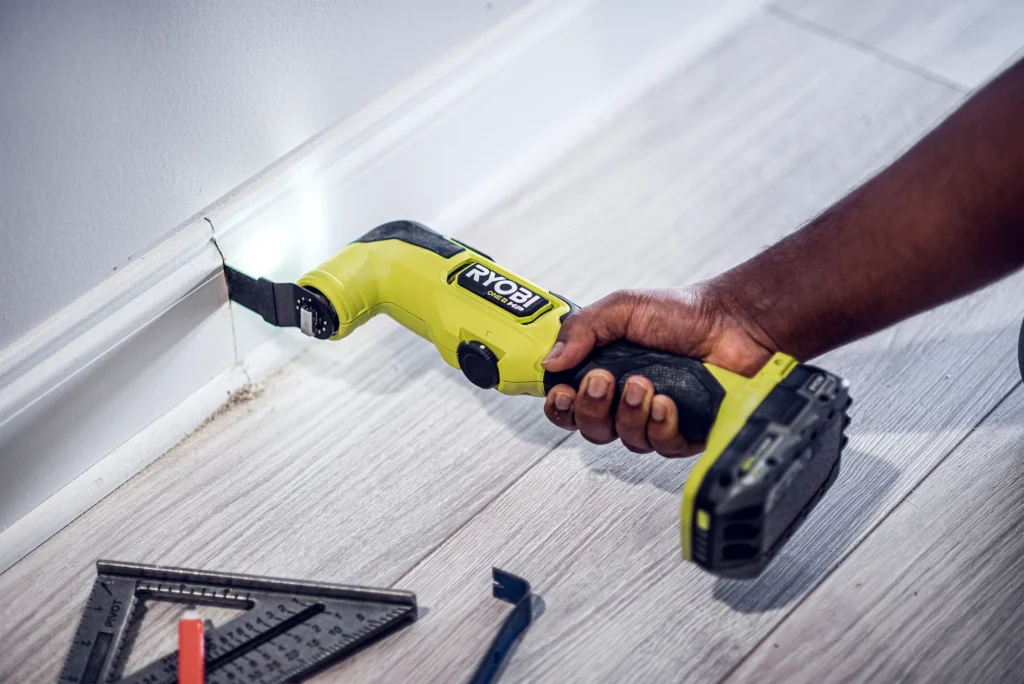
Oscillating multi-tools are precise instruments. You use them for grout removal, flush cuts, detail sanding, and trimming in tight spots. These are not high-drain tasks, and they do not need a heavy battery pulling down the handle while you are making careful cuts.
Among Ryobi Tools I own, the cordless multi-tool on a compact 18V battery is one of my most-reached-for combinations. The lighter weight makes it easier to control during detailed work. I have used it to undercut door casings, trim caulk lines, and remove old tile grout over a full afternoon without needing to swap batteries. The balance of the tool with a small pack feels right in the hand.
3. Ryobi 18V Cordless Jigsaw
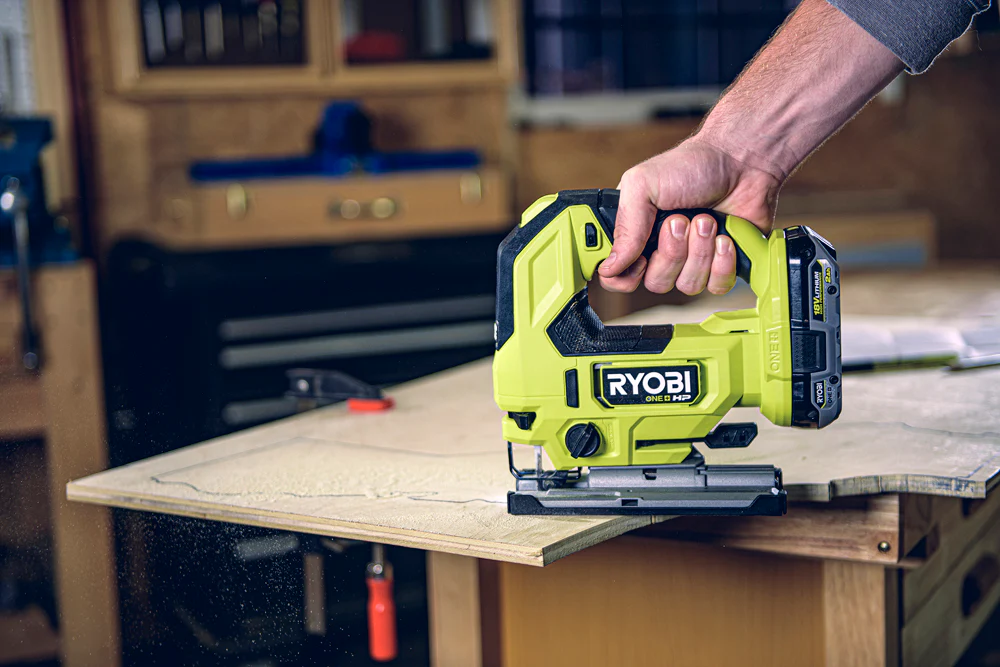
There is a tendency to assume jigsaws need a lot of power. For thick hardwood ripping, that might be partially true. But the majority of jigsaw work involves cutting plywood, trimming door panels, making curved cuts in softer materials, or cutting out shapes for DIY projects. For all of that, Ryobi Tools with a compact 18V battery handles it well.
I cut a full sheet of half-inch plywood into several pieces for a shelving project using this combination, and the battery still had plenty left afterward. The lighter setup also made it easier to manage the tool through curves without fighting the weight. If you are using Ryobi Tools for general carpentry and home projects, this jigsaw and small battery pairing is one of the most practical choices in the lineup.
4. Ryobi 18V Cordless Inflator
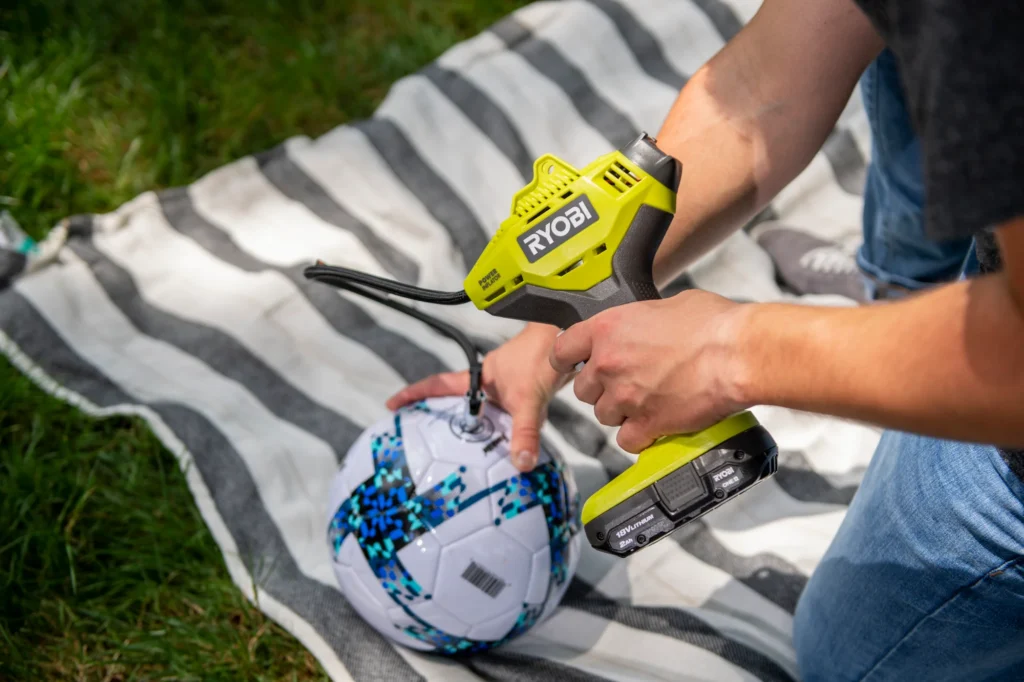
This is one of those tools that people overlook, but once you own it, you wonder how you managed without it. The cordless inflator from Ryobi Tools is designed for topping up tires, sports equipment, air mattresses, and inflatable toys. It draws modest power and runs in short bursts, making it perfectly suited to a compact 18V battery.
I keep one of these in my garage next to a small battery that I rarely have to charge because the inflator uses so little power per session. Checking and topping up four car tires takes a few minutes and uses a fraction of the battery capacity. This is one of those Ryobi Tools where the combination of low power draw and occasional use makes a compact battery the obvious and sensible choice.
5. Ryobi 18V Cordless Detail Sander
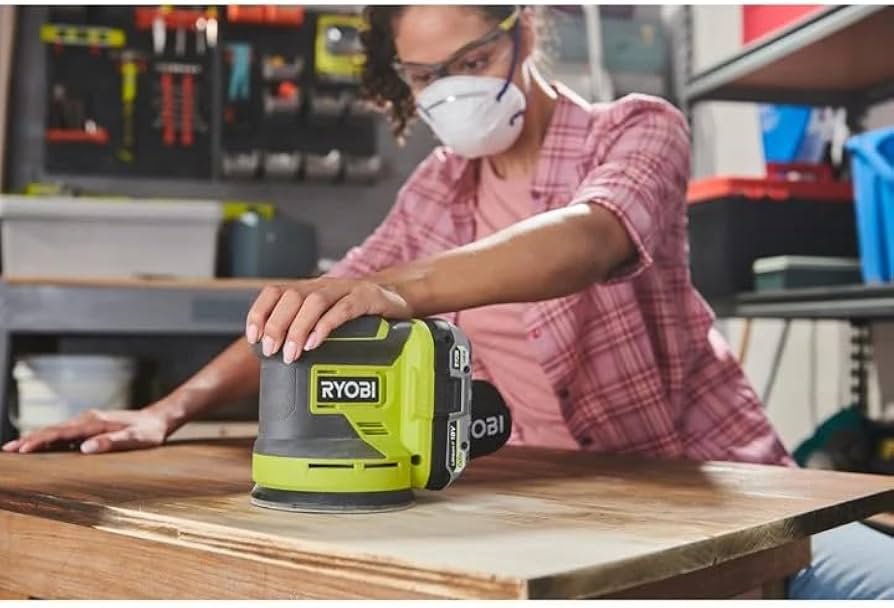
Detail sanders, sometimes called mouse sanders or corner sanders, are built for precision work in small areas. You use them to sand tight corners, window sills, stair spindles, and furniture edges where a larger pad sander cannot reach. These tools do not ask much from a battery, and that makes them a natural fit for compact 18V packs.
When I refinished an old wooden dresser last year, I used this specific tool from the Ryobi Tools lineup for all the detail work. I switched between grits several times over the course of a few hours, and the compact battery kept up without issue. The lightweight made the extended sanding session far less tiring than it would have been with a bulkier setup. Ryobi Tools consistently shows good sense in how it matches tool requirements to battery options, and this sander is a clear example.
6. Ryobi 18V ONE+ Cordless Glue Gun
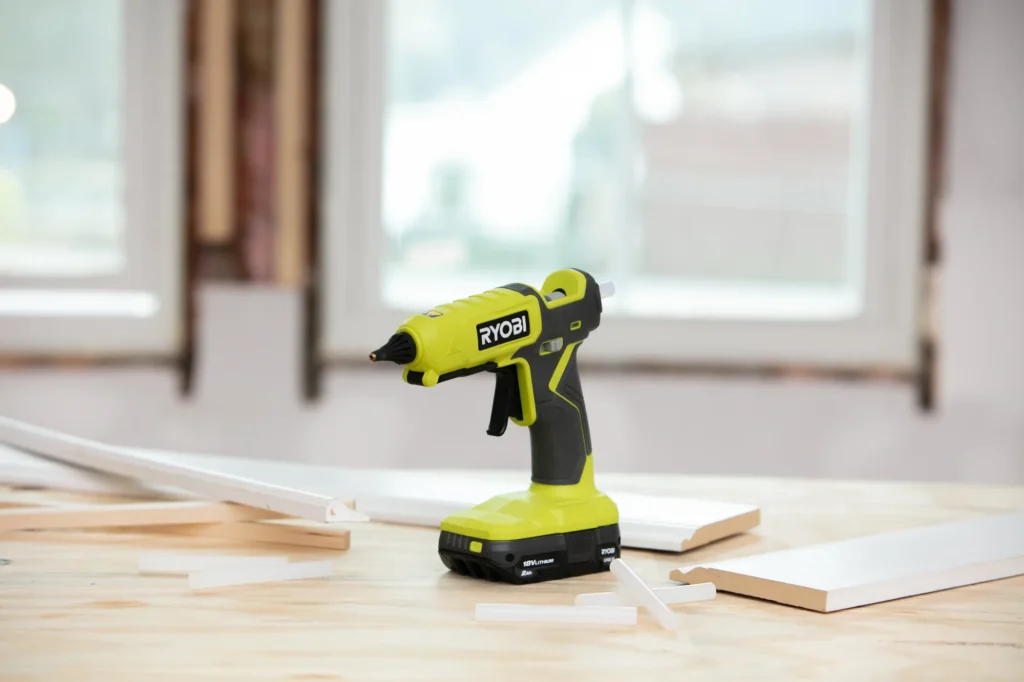
A cordless glue gun is something that sounds almost unnecessary until you have one. The moment you stop hunting for a wall outlet while doing craft projects, home repairs, or workshop builds, you understand the appeal immediately. Among Ryobi Tools, the cordless glue gun is one of the most convenient additions to any toolkit.
The power requirement for a glue gun is minimal. It heats an element and maintains the temperature. That is it. A compact 18V battery powers it for a long time, and the lightweight design keeps the tool comfortable during extended use. I have used mine for everything from securing trim pieces to helping my kids with school projects. Ryobi Tools made a smart decision, keeping this in the ONE+ ecosystem because the battery compatibility alone makes it worth having.
7. Ryobi 18V Cordless Caulking Gun
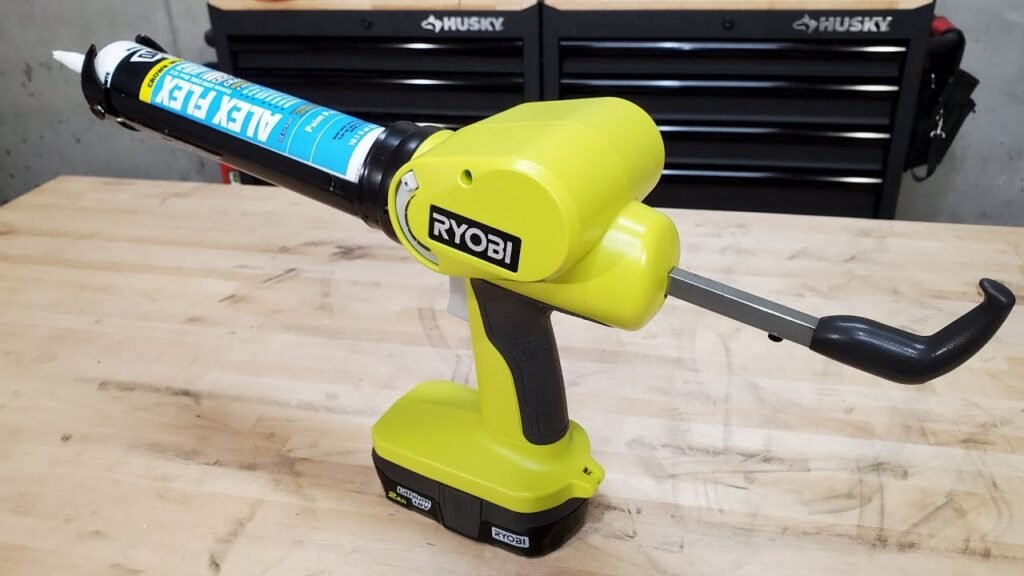
This might be the most practical tool on the list for homeowners. Caulking around windows, bathtubs, baseboards, and door frames is a regular maintenance job, and doing it with a manual caulking gun can cause hand fatigue quickly. The cordless caulking gun from Ryobi Tools removes that problem entirely.
The motor drives the caulk out at a consistent speed, which actually improves your bead quality over manual application. And since the motor only runs when you pull the trigger, the compact 18V battery lasts through multiple tubes of caulk without any issue. I resealed an entire bathroom, ran beads along three window frames, and touched up baseboard caulking in a hallway, all on one charge. Among Ryobi Tools designed for home maintenance, this one with a compact battery is a combination I recommend without hesitation.
How to Get the Most from Small 18V Batteries
Using compact batteries well is partly about tool selection, which these seven examples address. But there are a few practical habits that extend battery life and keep your Ryobi Tools performing well.
Store batteries at room temperature when they are not in use. Extreme cold or heat shortens the lifespan of lithium-ion packs. Avoid leaving them fully discharged for long periods. Ryobi Tools recommends charging batteries before storing them if you know they will sit unused for a while. Rotating between two compact packs when doing longer sessions is also a smart approach, because it gives each battery time to cool between uses.
One thing I appreciate about Ryobi Tools is that the battery management in their ONE+ system is reasonably sophisticated for the price point. The cells are protected against overcharging and excessive discharge, which means you do not have to be obsessive about management. Basic care is enough to keep compact batteries running well for years.
Is the Small Battery System Right for You
The honest answer depends on your work. If your primary tasks involve heavy framing, long sessions with a circular saw, or demanding concrete work, then larger capacity batteries are the right investment, and Ryobi Tools has those options too. The high-capacity packs in the ONE+ system are genuinely good.
But if you are a homeowner doing regular maintenance and improvement projects, a hobbyist woodworker, someone who does crafts and detail work, or a person building a starter tool collection on a reasonable budget, then the small 18V battery with the right Ryobi Tools is an excellent foundation. You get lighter tools, lower upfront cost, and full compatibility with the broader ecosystem as your collection grows.
The seven Ryobi Tools in this article are not edge cases or novelty items. They represent real, practical tools that real people use regularly. Each one genuinely performs better with a compact battery because the lighter weight improves handling, and the power demand is well within what the smaller pack delivers.
Expert’s Opinion
I have spent enough time with various Ryobi Tools to say with confidence that dismissing small 18V batteries as underpowered misses the point. The question is never just how much power a battery holds. The question is whether that power matches what the tool actually needs.
For the seven tools covered in this article, a compact 18V battery is not a limitation. It is the right choice. The tools are more comfortable, the battery lasts long enough for real work, and the cost savings over time are meaningful. Ryobi Tools built the ONE+ system to give users options, and the compact battery is one of the best options in the lineup when you match it to the right tools.
If you are building or expanding your collection of Ryobi Tools, do not overlook the value of a couple of compact 18V packs alongside your toolkit. They earn their place every time you reach for the right tool, and it is already light, charged, and ready to go.