



Article Highlights (Key Points)
- Health and wellness apps make it easier than ever to track fitness, sleep, nutrition, and mental health all in one place.
- Free health and wellness apps like MyFitnessPal and Headspace offer powerful features without requiring a subscription to get started.
- Consistency is the biggest benefit these apps for health and wellness bring to your daily routine.
- The best health and wellness apps are designed to fit into your life naturally, not add more stress to it.
- Whether your goal is weight loss, better sleep, or reduced anxiety, there is a health and wellness app built specifically for you.
Health And Wellness Apps For Your Routine
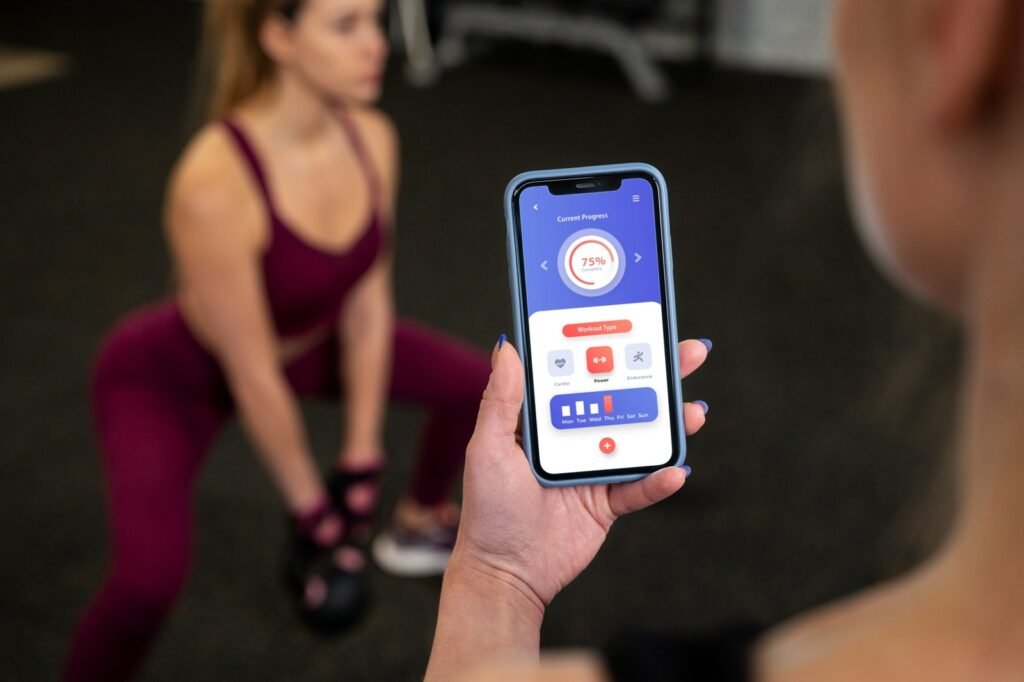
A few years ago, I was stuck in a cycle that I think a lot of people recognize. I was not sleeping well, eating whatever was convenient, skipping workouts, and feeling mentally scattered most of the time. I tried notebooks, spreadsheets, and reminder alarms, but nothing really stuck. Then I started exploring health and wellness apps, and honestly, that changed things in a way I did not expect.
I am not here to tell you that an app will solve every problem in your life. But what I can tell you, from my own experience and from watching others make real progress, is that the right health and wellness apps can serve as the kind of consistent, low-pressure support system that most people need to build better habits. This article walks through five of the best health and wellness apps available right now, what makes each one worth your time, and who each one works best for.
Why Health And Wellness Apps Actually Work
Before diving into the list, it helps to understand why health and wellness apps are so effective for so many people. The answer is simpler than you might think. These apps meet you where you are. They sit in your pocket, send you gentle nudges, track your progress automatically, and show you data about your own behavior in ways that motivate real change.
Unlike a gym membership you rarely use or a wellness book you never finish, apps for health and wellness are interactive. You check in daily, log what you eat, follow guided sessions, and see your streaks grow. That feedback loop is powerful. Research consistently shows that self-monitoring is one of the strongest predictors of behavior change, and health and wellness apps make self-monitoring effortless.
Now, let us get into the actual apps.
1. MyFitnessPal: The Gold Standard for Nutrition Tracking
If you have ever looked into health and wellness apps for food tracking, you have probably already heard of MyFitnessPal. I started using it about three years ago when I realized I had no idea how much I was actually eating, and it was one of the most eye-opening experiences of my adult life.
MyFitnessPal has one of the largest food databases in existence, with over 14 million foods logged by its global user community. You can scan barcodes, log restaurant meals, and even import recipes from the web. The app tracks not just calories but macronutrients like protein, carbohydrates, and fat, which matters a lot if you are trying to build muscle, manage blood sugar, or hit specific dietary goals.
What I appreciate most is the integration. MyFitnessPal connects with fitness trackers, workout apps, and wearables, so your calorie burn data flows in automatically. That gives you a full picture of your energy balance without manually calculating anything.
There is a free version of MyFitnessPal that covers most of what a beginner or intermediate user needs. The premium version unlocks more detailed analysis, meal planning tools, and an ad-free experience. If you are starting with free health and wellness apps, MyFitnessPal is one of the most capable options available at no cost.
Who it works best for: Anyone who wants to understand their eating habits better, lose weight, or eat more intentionally.
2. Headspace: Meditation Made Genuinely Accessible
I will be honest. I was skeptical about meditation for years. It seemed like something that worked for other people but not for me. Then I tried Headspace, and I understood why so many people consider it one of the top health and wellness apps for mental well-being.
Headspace teaches meditation through short, guided sessions that start at just three to five minutes. The app walks you through the process in a way that feels conversational and non-judgmental, not mystical or inaccessible. There are programs focused on stress, sleep, anxiety, focus, relationships, and physical performance. I personally went through the stress management course during a difficult period at work, and the difference was noticeable within two weeks.
What separates Headspace from some other health and wellness apps in the mindfulness space is its production quality and scientific backing. The content is developed with input from clinical researchers, and studies have shown measurable reductions in stress and improvements in sleep among regular users.
The app also includes sleep sounds and sleepcasts, which are narrated audio experiences designed to help your mind wind down. For anyone who lies awake at night with a busy head, those are genuinely useful.
Headspace offers a free trial with limited content. The full library requires a subscription, though it is one of the most affordable apps for health and wellness in the mindfulness category. Annual plans often bring the monthly cost down significantly.
Who it works best for: People dealing with stress, anxiety, or sleep difficulty, and anyone who wants to build a consistent mindfulness practice from scratch.
3. Calm: Deep Relaxation and Sleep Support
While Headspace and Calm are often compared directly, they serve slightly different purposes in my experience. Calm leans more heavily into relaxation, sleep, and emotional wellness, whereas Headspace is more structured around teaching meditation as a skill. Both are excellent health and wellness apps, and some people use both depending on what they need on a given day.
Calm features Sleep Stories, which are narrated bedtime stories designed for adults. This sounds unusual at first, but the research on distraction-based relaxation shows that engaging the narrative brain can help quiet the anxious brain. I used these regularly during a stretch when I was waking up at 3 AM with racing thoughts, and they helped me return to sleep faster than anything else I tried.
The app also includes breathing exercises, guided meditations, relaxing music, and a Daily Calm session that changes every day. The Daily Calm is particularly useful for building a morning or evening ritual because it gives you something fresh to look forward to each day.
Among all the health and wellness apps I have used, Calm has the most polished and calming interface design. Even opening the app feels like a small exhale. That attention to aesthetic and sensory experience is intentional, and it works.
Calm is one of the apps for health and wellness where a subscription unlocks most of the content, though some free content is available. The annual plan makes it cost-effective for consistent users.
Who it works best for: People who struggle with sleep, those recovering from burnout, and anyone who needs a reliable way to decompress after a demanding day.
4. Strava: Community-Driven Fitness Motivation
Strava is the health and wellness app that surprised me most in terms of its impact on my exercise habits. I started using it to track my runs, but what kept me coming back was the community layer built into the platform.
At its core, Strava is a GPS activity tracker. You can record runs, rides, swims, hikes, and dozens of other activities. The app maps your route, tracks your pace and elevation, and stores your history so you can see your progress over time. The data it captures is detailed and accurate, making it one of the most trusted health and wellness apps among serious athletes as well as casual movers.
But the social features are where Strava really earns its place. Friends and followers can give your workouts kudos, leave comments, and join challenges together. Seeing a notification that someone noticed your morning run is a small thing, but it genuinely motivates you to lace up again tomorrow. There is also a segment feature that allows you to compete on specific stretches of road or trail, which adds a playful competitive element even for solo athletes.
Strava is one of the free health and wellness apps with a compelling free tier. You can track unlimited activities and see your route history without paying anything. The subscription unlocks advanced analytics, personalized coaching, and segment leaderboards.
Who it works best for: Runners, cyclists, hikers, and anyone who thrives on community accountability and enjoys tracking their movement with precision.
5. Sleep Cycle: The Smartest Alarm Clock You Will Ever Use
Sleep is the foundation of everything else in health and wellness, and yet most people treat it as an afterthought. Sleep Cycle changed how I think about sleep entirely, which is why it earns a spot among my top health and wellness apps.
Sleep Cycle uses your phone’s microphone or accelerometer to analyze your sleep patterns throughout the night. It tracks how long you spend in each sleep stage, from light sleep to deep sleep to REM. In the morning, you wake up to a detailed report of how your night went, including a sleep quality score and graphs showing your sleep stages.
The alarm feature is what makes Sleep Cycle genuinely different from every other app. Instead of jolting you awake at a fixed time, Sleep Cycle identifies when you are in your lightest sleep phase within a 30-minute window you set, and wakes you at that point. Waking during light sleep means you feel naturally alert rather than groggy and disoriented. After a few weeks of using this system, I noticed a real difference in how I felt in the mornings.
The app also tracks long-term patterns. You can see how your sleep quality changes based on what you logged the night before, such as alcohol, exercise, caffeine, or stress levels. That kind of self-knowledge is exactly what health and wellness apps should deliver.
Sleep Cycle offers a limited free version. The full analysis features and trend data require a subscription, but it remains one of the most affordable apps for health and wellness when you consider how much good sleep affects every other area of your life.
Who it works best for: Anyone who wakes up feeling tired despite a full night in bed, people who want to understand their sleep patterns, and light sleepers who struggle with jarring alarm sounds.
How to Choose the Right Health And Wellness Apps for You
With so many health and wellness apps available, picking the right ones comes down to where you want the most support. I would suggest starting with one app rather than downloading five at once. Build a habit with a single tool, get comfortable with it over two to four weeks, and then add another if you feel ready.
Ask yourself what area of your health feels most neglected right now. Is it nutrition, movement, sleep, or mental health? Start with the health and wellness app that addresses that specific need. Once that habit is established, layering in additional apps becomes much easier and less overwhelming.
At Paradox Wellness, we believe that sustainable health is built through small, consistent actions rather than dramatic overhauls. The health and wellness apps on this list reflect that philosophy. None of them demands hours of your day. They work in the background of your life, gathering data and offering guidance in moments when you actually need it.
Getting the Most Out of Health And Wellness Apps
Using health and wellness apps well is not just about downloading them and hoping for the best. Here are a few things I have learned from consistent use across all five of these tools.
First, notifications matter. Enable the reminders for whichever apps for health and wellness you choose, at least at the beginning. Habit formation relies on consistent cues, and a well-timed notification is exactly that.
Second, do not chase perfection. Health and wellness apps work over months and years, not days. Miss a day of logging, skip a meditation, forget to track your run, and start the next day again. The streak that matters most is the long-term one.
Third, review your data regularly. Most health and wellness apps include weekly or monthly summary reports. Actually reading those reports, spending five minutes on a Sunday looking at your sleep trends or your step count, is what turns raw data into genuine insight.
Expert’s Opinion
The best health and wellness apps are the ones you actually use. That is not a throwaway statement. It is the truth that separates useful technology from digital clutter.
MyFitnessPal, Headspace, Calm, Strava, and Sleep Cycle each address a real, specific need. Together they cover the full scope of daily wellness: what you eat, how you move, how you sleep, and how you manage stress. Any one of them, used consistently, can shift your baseline in meaningful ways.
Whether you are looking for free health and wellness apps to get started without a financial commitment or you are ready to invest in a subscription for deeper features, there is something on this list for you. The most important step is picking one and beginning today.
Your daily routine is built from dozens of small decisions. Health and wellness apps do not make those decisions for you, but they make it much easier to make better ones, and that is more than enough to create real change over time.